
Young director rises to the challenge of "Latitude 6"
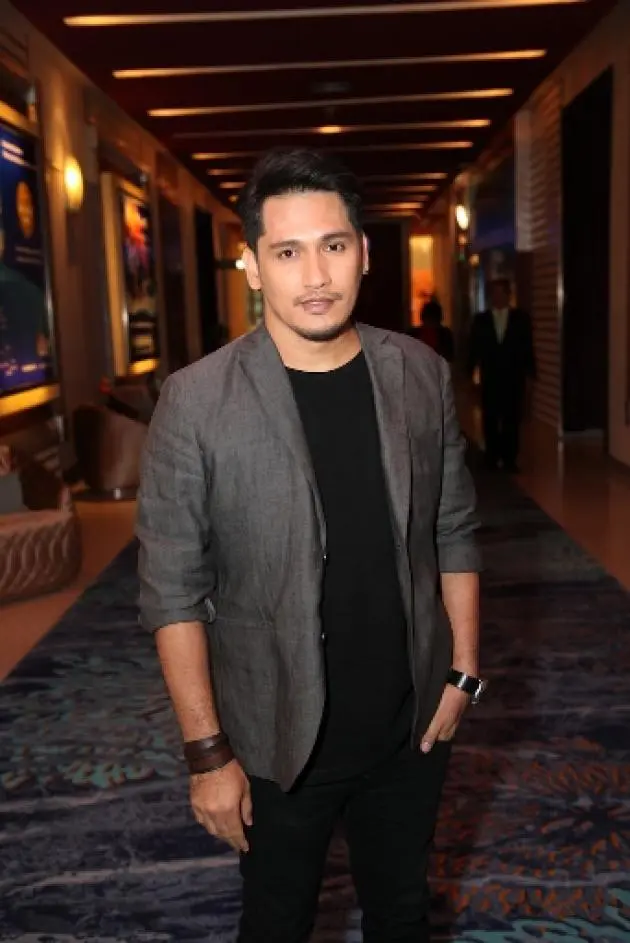


In our continuing coverage of the new movie "Latitude 6", let's take a break for a moment from the rumours about the troubled life of its star, Peter Corp Dyrendal, and focus instead on the darn film, which has been three years in the making.
It all started with the Internal Security Operations Command (Isoc), the military agency keeping on eye on things in the restive Deep South. The top brass, always looking for a way to “promote better understanding”, thought a movie might be a swell way to show the rest of the country just how lovely things can be down there.
And so the search began for a director to take on the project. Among those submitting scripts was Thanadol Nualsuth, whose previous experience was making a romance film during the 2011 floods, “Rak Ao Yoo”, aka “Love at First Flood”. For Isoc, he came up with a feel-good love story about a Bangkok businessman who goes to work in Pattani, is charmed by the laid-back southern culture and falls head over heels for a young Muslim woman.
Thanadol, who had made his debut co-directing the 2010 snakes-in-an-apartment-building thriller “Kheaw Aa-Kaard” and had worked as an assistant director under industry taskmaster Poj Arnon, had plenty of experience making movies. But none of that had prepared him for the complexities of filming in the South and dealing with the profound cultural and religious differences.
During a one-month film shoot in Pattani, Thanadol initially faced problems when he wanted to use a mosque as a location. Even after showing leaders there the script and its positive story, there were still some who didn’t want to allow the filming. But cameras eventually rolled when local villagers were given jobs as crewmembers.
So a lot of research went into making “Latitude 6”, which takes its title from the circle of latitude that is six degrees south of the equator, and passes through Thailand’s three southernmost provinces. And it helped that Thanadol had the support of the Isoc authorities and such stakeholders as the Sheikhul Islam Office and other Islamic organisations. For his first edit of the film, instead of making a two-hour version, he put together a four-hour cut and sat down to watch it with the Isoc and Islam leaders.
“I didn’t edit anything out at first, but instead let them see the whole story,” says Thanadol, who adds that the military did not interfere with his initial script. “I then started trimming, taking suggestions from them on what might be inappropriate regarding Muslim beliefs and the conflicts in the South.” After much, much back-and-forth, the final two-hour version got approval from every organisation.
Meanwhile, Thanadol and his green-clad producers were looking for ways to raise cash to complete the picture. They eventually found a partner in UCI Media, whose core business is selling Motorola radio equipment and surveillance systems, and now you can see why it took three years to complete the film.
Worth noting, is that the film’s backers aren’t aiming to profit from their venture. “They don’t aim to get back their investment,” Thanadol says. “They told me, if the movie earns a profit, please give it to charity.”
