
Shingles: the pain and the misery


Play
Known in Thai as ngoo swad ("swad snake"), herpes zoster or shingles is a painful, blistering skin rash caused by the varicella-zoster virus - the same virus that causes chickenpox.
Currently on the rise especially among those aged 60 and over, it is in essence a “reawakening” of the chickenpox virus. Never fully discharged from the body, this virus lies inactive for years and reactivates when immunity is weakened, travelling through the nerve pathways to your skin and producing shingles.
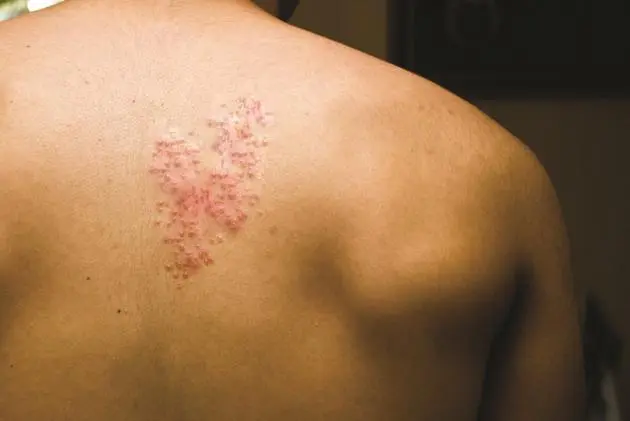
The first symptoms appear usually on either the left or right side of the torso, starting with a burning pain, tingling and then erupting in a red rash in the painful area At first, the rash appears similar to hives but the patches then develop into fluid-filled blisters that break open and crust over. Unlike other allergic rashes that cause itching, the patient will feel pain, which might be extreme in the affected dermatome, with sensations that are often described as stinging, tingling, aching, numbing or throbbing, and interspersed with quick stabs of agonizing pain. Blisters then begin crusting over, falling off in two to three weeks. However, pain may remain in and around the affected area even if all the blisters clear.
The rash may also involve the face, eyes, mouth, and ears, which is more serious as it can cause eye pain, bacterial superinfections, keratitis and vision loss or damage to the ear including Ramsay Hunt syndrome and hearing loss. Other serious complications include pneumonia and encephalitis.
In the elderly, the pain, which is known as post herpetic neuralgia (PHN) and occurs when the nerves have been damaged after an outbreak of shingles, can last more than a year and seriously affect the individual’s emotions as well as his/her ability to be independent. Early prescription of antivirals such as Acyclovir will help skin lesions and reduce severity and complications. Such treatment must be started within 72 hours to be effective.
Professor Somsak Lolekha, president of the Medical Council of Thailand, says PNH and other complications remain the main concern in shingles patients, with these occurring in 50 per cent of patients over 50 years of age, and in more than 70 per cent of patient over 70 years of age.
He also puts to rest the Thai belief that when shingles expand to round the body, the patient will die. Such a spread, he says, is rare, as the virus follows the nerve branches, which are separated vertically along the body, and cannot cross from one side to another.
“If the infection is bilateral, this means the virus is in the blood. Fortunately, this is rare though we do see it in patients who are HIV-positive or whose immune systems are comprised by cancer,” says Dr Somsak, adding that anyone who isn’t immune to chickenpox can be infected with the varicella-zoster virus by direct contact with the shingles.
“However, once infected, the person will develop chickenpox, not shingles.
Vaccines can help reduce the risk of shingles, while early treatment can help shorten a shingles infection and lessen the chance of complications. The zoster vaccine is not the same as the varicella vaccine, and the varicella vaccine cannot prevent herpes zoster.
The zoster vaccine is 14 times more concentrated than the Varicella vaccine in order to be able to boost VZV–specific cellular immunity at the T-cell level. One dose of zoster vaccine can protect against the disease for 10 years.
The vaccine has been available in Thailand since late last year although it has been in use in other countries for more than 10 years. A study shows that the zoster vaccine can reduce the incidence of shingles by 51.3 per cent and reduces severity and complications in zoster patients by 66.5 per cent.
It is vital that individuals with weak immune systems including HIV or cancer patients, infants, pregnant women; and patients with such chronic diseases such as diabetes, renal failure and chronic obstructive pulmonary disease (COPD) take every measure to prevent zoster infection. Such measures include separating the personal belongings, clothing and bedding of zoster-infected patients, and avoiding contact with the herpes zoster rash.
Those wishing to have the vaccine should contact their doctor. It’s widely available in private hospitals and costs up to Bt5,000.
