
Old way's the best at the Balvenie


Barley, peat, oak, cherry and copper all do their part in making this Scottish single malt one of the finest whiskies on the planet
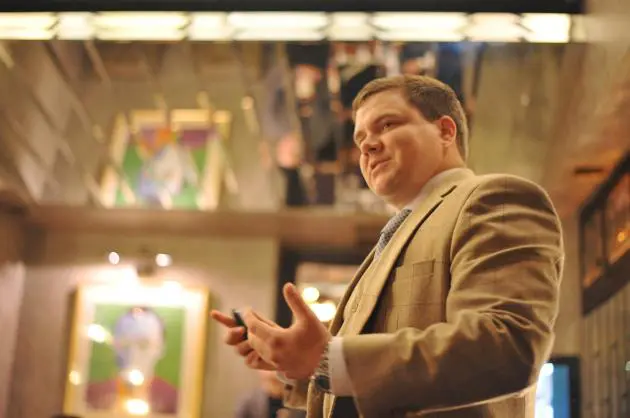
HANDCRAFTED in a medieval castle since 1893, the Balvenie malt whisky tastes like history, so there was a lot to discuss with Neil Strachan, the brand’s regional ambassador, when he hosted an intimate tasting session for the Bangkok media recently.
And Strachan, who certainly knows his Scotch, had plenty to offer in the way of little-known facts about the heritage and the ornate production process that make the Balvenie a top choice for whisky connoisseurs worldwide.
With a seemingly ever-growing thirst for Scotch whisky, increasingly savvy Bangkok is exploring every variation of premium single malt that comes along.
The Balvenie fits the bill, distilled for more than a century at Balvenie Castle near Dufftown in Scotland’s Moray region – Speyside area, to most of us. The castle is obviously livelier than the 12th-century ruin that tourist guides make it out to be.
The Balvenie – the whisky, not the castle – is known for its reliance on traditional production methods that give it a honeyed yet nuanced character. The distillery is proud of its “Five Rare Crafts”, each of which Strachan described with the passion of a true enthusiast.
First is the fact that this is one of the few distilleries still growing its own barley, on an adjoining farm. The crop is then “floor-malted” to add complexity.
Most distillers buy malt made commercially in factories, but at the Balvenie they soak the harvested barley malt to simulate rain and spread it out on the floor to germinate, incessantly raking it to release the carbon dioxide, and then dry it over burning peat, thus adding smokiness to the mix.
The Balvenie also has its own coppersmiths maintaining the stills that help create that smooth, honeyed taste, and its own coopers in charge of the casks, which definitely do their share in forming the whisky’s character. Then there’s David Stewart, the malt master, who ensures that every batch reflects the absolute best alchemy of spirits, wood and time. Strachan got his start in the business as a young journeyman, undertaking a rite of passage through various Scottish kitchens, bars and distilleries.
Now he’s the brand ambassador for the Balvenie in Southeast Asia. He regards the Thai capital as an “increasingly sophisticated cosmopolitan playground”.
“Bangkok is a city famed for its nightlife and zest for enjoyment,” he noted. “This, with the growth in disposable income and a population that’s developing a taste for the finer things in life, is creating a swell in demand for all things luxurious as discerning drinkers look for more sophisticated alternatives to the common drink.
“Personally, this is also a great opportunity for me to share my knowledge on the heritage of the Balvenie with whisky enthusiasts in Bangkok, where whisky knowledge is growing very rapidly, and indeed becoming a passion of its own among |like-minded enthusiasts in Thailand.”
The press gang, dry to the point of desiccation, was treated to three of the Balvenie’s single malts, each unique in its own way but sharing a richness and smoothness underpinned by that distinctive honey flavour.
The Balvenie DoubleWood 12 Year Old, so named for its maturation in casks of two different kinds of wood, boasts a fruity nose and mellow taste of sweet nut and cinnamon.
Highly lauded Balvenie Caribbean Cask 14 Year Old is finished in vessels that previously held Caribbean rum. It’s rich and sweet to the nose and tastes of oak and light vanilla.
And the Balvenie DoubleWood 17 Year Old, matured in American oak and European cherry-wood casks, is surprisingly complex, offering hints of sherbet, creamy toffee and toasted almonds and a spicy honey finish.
The Balvenie Single Malt Scotch Whisky is produced by William Grant & Sons Ltd, an award-winning, independent, family-owned distiller founded by William Grant in 1886 and today run by his direct descendants.
