
The devil's in the details


New website DrinkIQ sets out to help you drink responsibly and in moderation
WE ALL KNOW that alcohol should be consumed in moderation and that if taken in quantity it piles on the weight, but most of us don’t have a clue as to the number of calories a gin and tonic, say, or a glass of wine contains.
That’s about to change with the launch of DrinkIQ, a revamped online tool from Diageo, which allows you to calculate and track your alcohol and calorie intake while enjoying a drink responsibly.
The website is available in 12 languages, including Thai, and offers consumers the world over easy access to key information about drinking while helping them make informed choices about making alcohol part of a balanced lifestyle.
The new DrinkIQ.com is fully optimised for mobile devices including smartphones and tablets. It gives consumers details about the contents of their favourite drinks, responsible drinking tips, and advice on how diet, age, body size and gender affect the body’s ability to process alcohol. DrinkIQ.com includes the “What’s in Your Drink?” tool, which provides the nutritional and alcohol content of various Diageo alcoholic beverages, as well as nutritional information including carbohydrate, protein, fat (by type), sugar, caffeine, and sodium content.
A brilliantly simple “drinks calculator” is also provided to let consumers easily calculate and track the amount of alcohol they are drinking and how many calories they have consumed.
In addition to the useful information above, the website also busts a host of myths and misconceptions about alcoholic beverages, one of which is that “spirits contain more alcohol than beer and wine.” DrinkIQ will tell you that, in fact, a 25ml shot of distilled spirit like vodka or gin contains about 8 grams of alcohol, versus about 16 grams in a pint of lager beer. Spirits also have fewer calories than wine or beer – 25ml of distilled spirits contains approximately 55 calories compared to 125 calories in an average 175ml glass of wine or around 160 calories in a pint of lager.
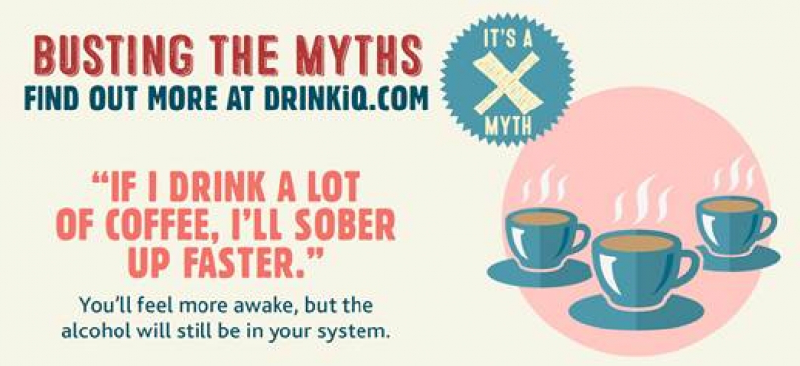
Another myth, “eating food means I can drink more” is only half right. Eating only slows down how quickly alcohol is absorbed – food does not prevent alcohol from having an effect on the body. The same goes for coffee, which is believed to have the magical effect to sober up faster. Coffee might make people feel more alert, but alcohol still remains in the body and takes about one hour per drink to process.
It’s not just about survival here. The website also gives important yet often overlooked information on what alcohol is and how it is made, how alcohol is measured and how it affects your body. Going deeper, you’ll find more information on how alcohol is digested and processed in your metabolism, when is alcohol becoming dangerous, how to avoid hangovers and how to be a good friends or good hosts at parties when it comes to help looking out for those around you while drinking.
DrinkiQ.com has been optimised to ensure that content is tailored to the local environment and regulations in the user’s location, particularly concerning legal age of purchase in accordance with the Diageo Marketing Code of practice and the CEO Global Commitments.
Find out more at DrinkIQ.com
