
Perched in a Poang


Play
There are 30 million people reclining in this Ikea chair designed not by a Swede but a Japanese
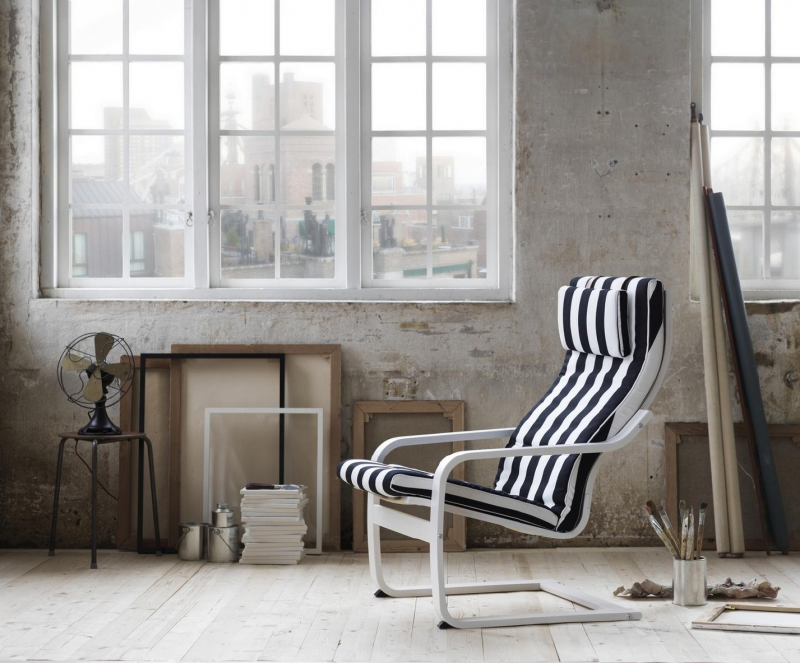
IKEA has sold more than 30 million Poang armchairs in the 40 years since it was first produced, but this example of “classic Scandinavian design” didn’t even originate in Europe. The credit goes to a Japanese, Noboru Nakamura.
Via a colleague, Nakamura got the opportunity to meet Sture Eng, the renowned Swedish designer, and ended up in Sweden.
“The reason I wanted to go there was that Scandinavian design has creative elements that make it essential for humans,” he says. “The products are pleasant, fun and soothing to touch and use, and each has significant meaning and value. I saw how they were designed and made, which impressed me and inspired me a lot.”
Nakamura, from Sapporo, joined Ikea in 1973 to learn more about the way the furniture was built. “I didn’t actually start out as a designer there. I first learned about the manufacturing processes in the factories to understand the production system.
“A good designer comes along perhaps once every 100 years, but the products should be timeless. There are trends and fashions that might influence what’s designed and made, but we should always ask what the good things are, not simply whether they’re expensive or cheap.”
Nakamura believes it’s imperative to actually touch a product. “You’ll never understand the true value of products without using them. And that’s what I learned in northern Europe. It’s the very essence of design. That essence lies in nature, which enriches us spiritually.”
The Poang armchair had its origins in a cantilever that Nakamura came across – a U-shaped structure that allows room to swing around. He made one out of moulded plywood. “A chair shouldn’t bind or hold the sitter,” he says. “It should provide us with an emotional richness and create a place where we can let go of our stress.”
He called the chair the Poem, but it was renamed the Poang in 1992 after several changes and improvements were made. It had bentwood frame matching the shape of the body, a cantilevered seat and a curved backrest.
The latest edition has a slightly different frame and six new covers in addition to the existing range of combinations.
Nakamura is asked about his experience with Ikea design.
“Forty years is a fairly long period of time!” he says. “But it’s not just a matter of how long. It has as much to do with the people who regularly use my products. That’s why they’re still on the market. There seems to be a lot of customers out there who appreciate my products, which I’m very pleased about and proud of.”
