
For some kids, the old way’s best
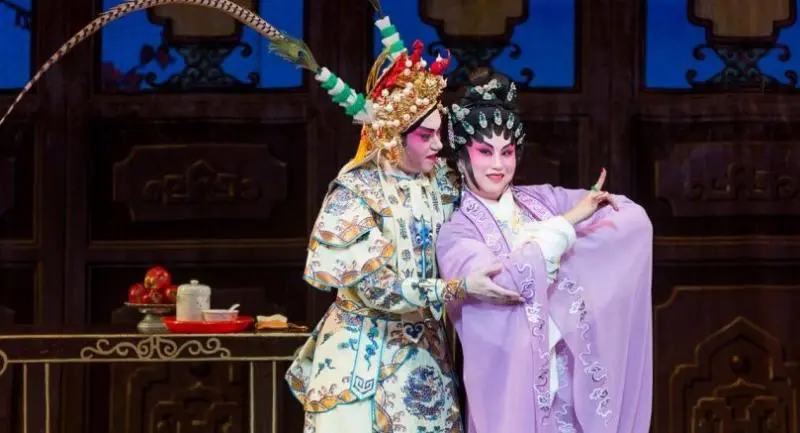


The next generation of Cantonese opera talent is emerging in Hong Kong and elsewhere
It's hard to believe Alan Tam Winglun is only 23 years old. He talks like a seasoned professional. But then, his dedication to the art of the Cantonese opera is already more than a decade old.
His attachment to the traditional art form began much earlier, in fact, with a visit to a video store with his father. Tam remembers being glued to the cover a video depicting the heroine of “The Floral Princess”. He was still just a tiny kid, but watching the video, Tam instantly fell in love with traditional opera. He started training soon after – at the tender age of three.
“I was always fascinated seeing the audience rush to the stage and calling loudly for an encore,” says Tam, who’s inspired many calls for encores himself as a professional of the opera stage, having played numerous roles in the classics. “It was really exciting to see these artists receive so much love and attention from the fans. So I wanted to perform onstage as well.”
Tam was one among the 14 highly skilled young performers appearing in this month’s third edition of “Rising Stars of Cantonese Opera” at the Ko Shan Theatre in Hong Kong. Xiqu Centre in the West Kowloon Cultural District had selected them for extensive tailor-made training, and the Rising Stars series was meant to showcase the fruits of their labour. The performances included two full-length romantic comedies and one evening of excerpts from four classic productions.
Picked to play the male lead in the comedy “A Marriage of Confusion”, Tam put himself through a rigorous practice schedule, yet still seemed a bit nervous before going onstage. “I couldn’t remember all the moves in the action scene on the first day of the show – it was like I was having a dream on the stage,” he recalls.
He was more confident on the second day, “but I was constantly struggling to keep my headwear in place”. Finally, the third show went off without a hitch, even if he didn’t realise he was rushing his lines in his excitement. “My co-star was racing to catch up!” he laughs. Luckily the audience didn’t seem to notice and gave him a warm response.
Chan Keiting, 27, was nervous too before the show began, even though it wasn’t her first time in the Rising Stars programme. Playing a maid in the two comedies, she’d spent much time trying to fathom how one character was different from the other, based as they were in different periods in history.
The hardest part of becoming an actor, says Chan, was learning how to hold the audience’s attention while improvising onstage. “In ‘Marriage of Confusion’ there’s a scene where another maidservant and I are onstage while the female lead does a quick costume change backstage,” she says. “In the libretto there are only two lines, which is far from enough to fill the time until the heroine gets back, so we have to constantly think of things to say while keeping an eye on the progress backstage.”
Chan grew up in the walled village of Tsing Yi where they still observe Shengongxi, a ritual including Cantonese opera that marks the days associated with certain gods. Chan has always been an enthusiastic follower of Shengongxi, which she says ties in with her passion for opera.
She decided early on she was going to be a star of Cantonese opera, which amused some her friends for whom playing the guitar or singing karaoke were the normal pursuits for a young girl in this day and age.
Tam went through the same scrutiny among his pals. “My classmates would ask me why I liked the Cantonese opera since they didn’t find any joy in listening to it. They only liked pop music,” he says.
But Chan and Tam had the determination and perseverance to embrace a traditional art form that no longer has much currency with the younger generation.
Law Kaying, artistic curator of the Rising Stars programme and a widely respected performer in his own right, understands that young people today face many other diversions in the lives. “Our audience is mainly 45 and up – people who have finally found the leisure time to appreciate this exquisite art,” he says.
The most effective way to popularise Cantonese opera among young people, he suggests, would be to take them to the theatres before they reach adolescence. That way they would be exposed to the art form before their interest is diverted by trendier entertainment.
Tam and other young artists have formed a group to take opera into the schools. They’ve even designed games to help junior students understand the musical notation used in Cantonese opera. They also give seminars and lectures at colleges that help resolve confusion about the art form.
Tam doesn’t expect his friends to turn up at his shows anytime soon, but for those who do indicate some interest, he recommends starting with a light-hearted production. “If it’s too abstruse or arty they’ll probably be bored to death,” he says, still laughing.
