
Kids get help finding way back


Plan International, Citi Foundation give wayword youths job skills and confidence
THE THAI workforce includes more than 9.6 million young people ages 15 to 24 – fully 17 per cent of the total – according to the 2014 Labour Force Survey. But the fact that the youth unemployment rate stands at 5.6 per cent remains cause for concern. And a shortage of job skills among young people aggravates the situation.
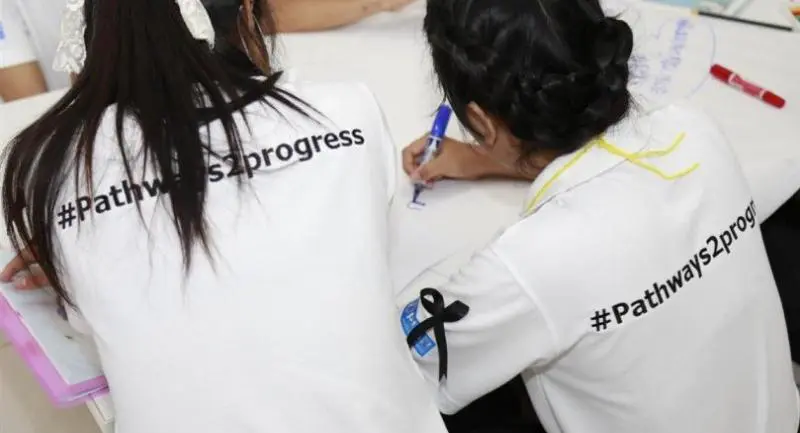
In response, Plan International – an independent development and humanitarian organisation – and Citibank’s charitable Citi Foundation recently hosted the “Getting Youth Ready for Work Activity” for young adults at the Ban Karuna Juvenile Vocational Training Centre in Samut Prakan.
The aim was to increase vocational skill and thus improve their employment opportunities.
The activity was part of Plan International’s Career Development for Youth Programme, which has benefited from the knowledge of 20 young adults from the Ban Karuna, Ban Pranee and Ban Ubekka vocational training centres.
As of January, 713 youths had enrolled in the project, and of those, 605 had completed training in welding, carpentry, computer and graphic design, mechanical repair, coffee brewing, spa and massage techniques and Thai-food preparation.
Another 165 youths also attended “ready-to-work” workshops that helped them prepare for employment.
The sessions included mock panel interviews conducted by Plan International and Citi representatives. The youngsters learned how to prepare and behave during job interviews, how to present their resumes and portfolios, and the types of documents to include.
The youths later split into groups to create short, educational video clips about ready-to-work knowledge and skills. These will be uploaded online as part of a new pilot Learning Management System (LMS).
A panel discussion featured former participants in the activity sharing their employment experiences, and an employer who hires staff with an eye to giving them “a second chance”. He offered suggestions on how to further improve the programme.
Professor Wisit Wisitsora-at, director general of the government’s Department of Juvenile Observation and Protection, pointed out that such activities increase the pool of skilled workers and builds on their potential and value to society.
One 18-year-old participant from the Baan Pranee centre said she would put the useful knowledge she’d gained into practice when applying for a job.
“I’ll reflect on my strengths and weaknesses, as advised, and make improvements so I’m more confident,” said the woman, whose name has to be withheld by law. “It feels good to know that, even if we stumble and fall, there are people around to help us get back up and walk alongside us.”
A 21-year-old who underwent vocational training provided by Plan International last year now works for SB Canvas, which makes material for tents and awnings.
“I joined the company five months ago and have had the chance to learn how to live in the wider society, to communicate and to adapt to various situations,” he said.
SB Canvas general manager Chaiwat Maneerattanasuporn said the firm has recruited several employees this way.
“I employ them after they’ve undergone training and provide on-the-job learning. Other business owners should give these youth the opportunity. Many of them are diligent, thirsty for knowledge, can help themselves and are very capable.
“To the youth, my message is to focus on your strengths and be positive.”
Hassaya Hasitabhan, a senior vice president at Citi in Thailand, stressed that the goal is to free young people from a cycle of poverty.
“This starts with the opportunity to communicate with and learn from employers, to add to your skill set, and link education with leadership-skills training, employer networks and jobs, or to create a start-up business.
“We want to provide these youth with the opportunities that will enable them to rejoin society with confidence.”
Plan International country director John McDonough said the organisation seeks to get the youngsters working and, most importantly, equip them with the necessary skills, as a way of preparing them to re-enter society.
