
At home in the rainforest


Rainforests are home to more interesting species of plants and animals than other ecosystems around the world combined.
Now, as part of its ecosystems diversity project, Sea Life Bangkok at Siam Paragon is showcasing the fauna of the rainforest through 13 rare species of snakes and geckos.
Nine rare snake species are on show all year round. They are: Emerald Tree Boas, which spend most of their days coiled up on trees with their heads resting in the middle of their coils, ready to attack. They hunt at night. Emerald Tree Boas have strong prehensile tails, allowing them to move around between the branches and deep pits in the scales around their mouths for detecting heat given off by their prey. Green Tree Pythons also spend most of their life in the trees, climbing down only when they would like to look for a different tree. They spend much of their time coiled over branches with their head resting in the middle of the coils. The scales around their mouth have also thermoreceptive pits to help detect prey.
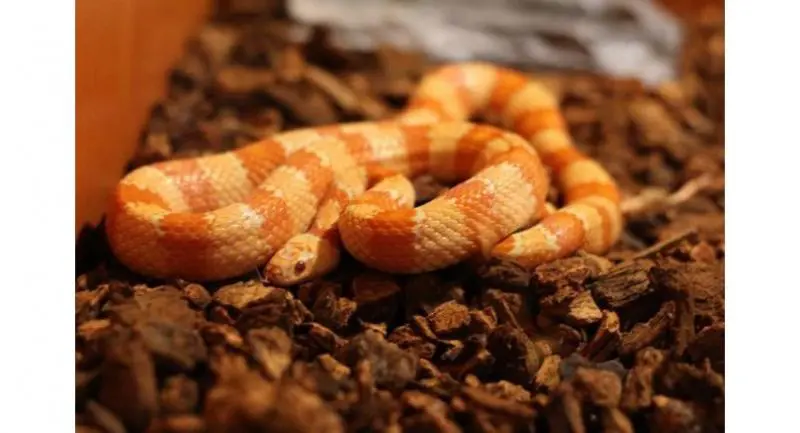
Boa Constrictors are powerful and stealthy hunters. They normally hunt at night by ambushing their preys. These snakes swallow their prey whole. Mother Boas give birth up to 60 babies at a time. Ball Pythons get their name due to their defence strategy. They coil into a tight ball when threatened, with their delicate heads tucked away in the middle. Brazilian Rainbow Boas are non-venomous. They ambush and constrict their prey by grabbing and squeezing them with their powerful muscles until they succumb to death. Carpet Pythons have beautiful and colourful patterns of yellow and black blotches. They hunt at night and spend their days coiled up, sunbathing on trees. Milk Snakes, also non-venomous, live throughout North and South America. They are often mistaken for venomous snakes because of their colourful skin. In fact, it is that colourful skin that has made them popular as pets. Corn Snakes earn their name from the fact that they are often found around corn farms as there are lots of rodents, their main food source. These non-venomous snakes kill their prey by wrapping and squeezing them. For their part, California King Snakes often eat other snakes as food, especially Rattlesnakes. The King snake is nearly immune to Rattlesnake venom and does not worry about being bitten. Upon finding rattlesnakes, the King snake will bite the rattlesnakes behind the head and finish them off by constricting itself around its prey.
The four rare species of geckos, meanwhile, are the Madagascar Day Geckos, which are native to the east coast of Madagascar. They hide themselves in the tropical rainforest trees. Their broad and flattened toe pads are useful for efficiently clinging onto trees. Leopard Geckos are ground dwelling lizards, found in the highlands of Asia. Unlike other geckos, leopard geckos have movable eyelids and cannot climb up smooth surfaces. Crested Geckos are originally from New Caledonia. They do not have eyelids, so they use their tongues to moisten and clean their eyes. When threatened, their tails can be left behind to help them get away. The tails, however, will not grow again. Lastly “Cat Geckos” sleep like cats by curling up with their tails around them. These geckos are nocturnal and are equipped with small claws for easily climbing on trees.
Explore the world of rainforests as well as the world of marine creature at Sea Life Bangkok, Siam Paragon. Admission is Bt990 for adults and Bt790 for 3-11 year olds.
