
Thailand’s Tinder Before Tech: Hidden Language of Flowers
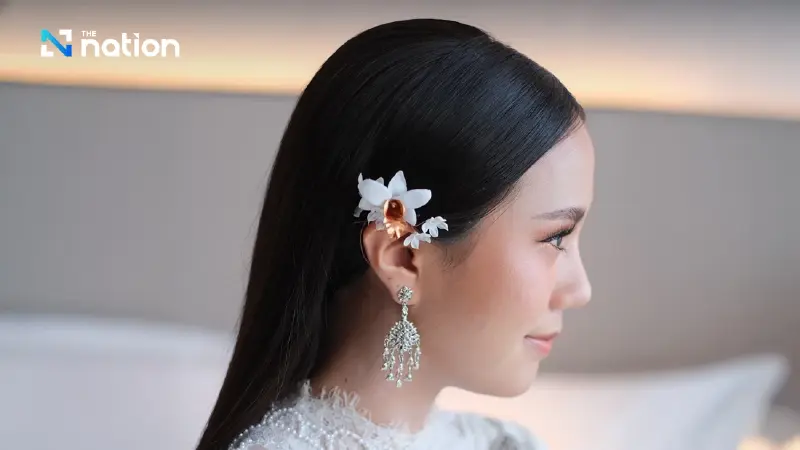


In today’s world, finding love is as easy as swiping right on an app. But long before the rise of Tinder and other dating platforms, Thailand had its own unique way of signalling romantic interest, and it involved a simple flower.
This subtle tradition, where the placement of a flower on the ear conveyed powerful messages of love and availability, was practised by Thai men and women, especially during temple fairs, festivals, and other social gatherings.

A Quiet Tradition with Powerful Meanings
In old Thailand, wearing flowers was not just for beauty; it was a silent yet meaningful form of communication.
Thai women, particularly, would wear small flowers on their ears when attending festivals or temple fairs, but the side they wore it on was much more significant than it seemed.
This wasn't about which ear was more convenient; it had a deeper, symbolic meaning.
For women in the royal courts, wearing a flower on the left ear symbolised grace, gentleness, and femininity.
It was also a sign that the woman’s heart was still available. If a woman wore the flower on her right ear, it indicated that her heart had already been claimed.
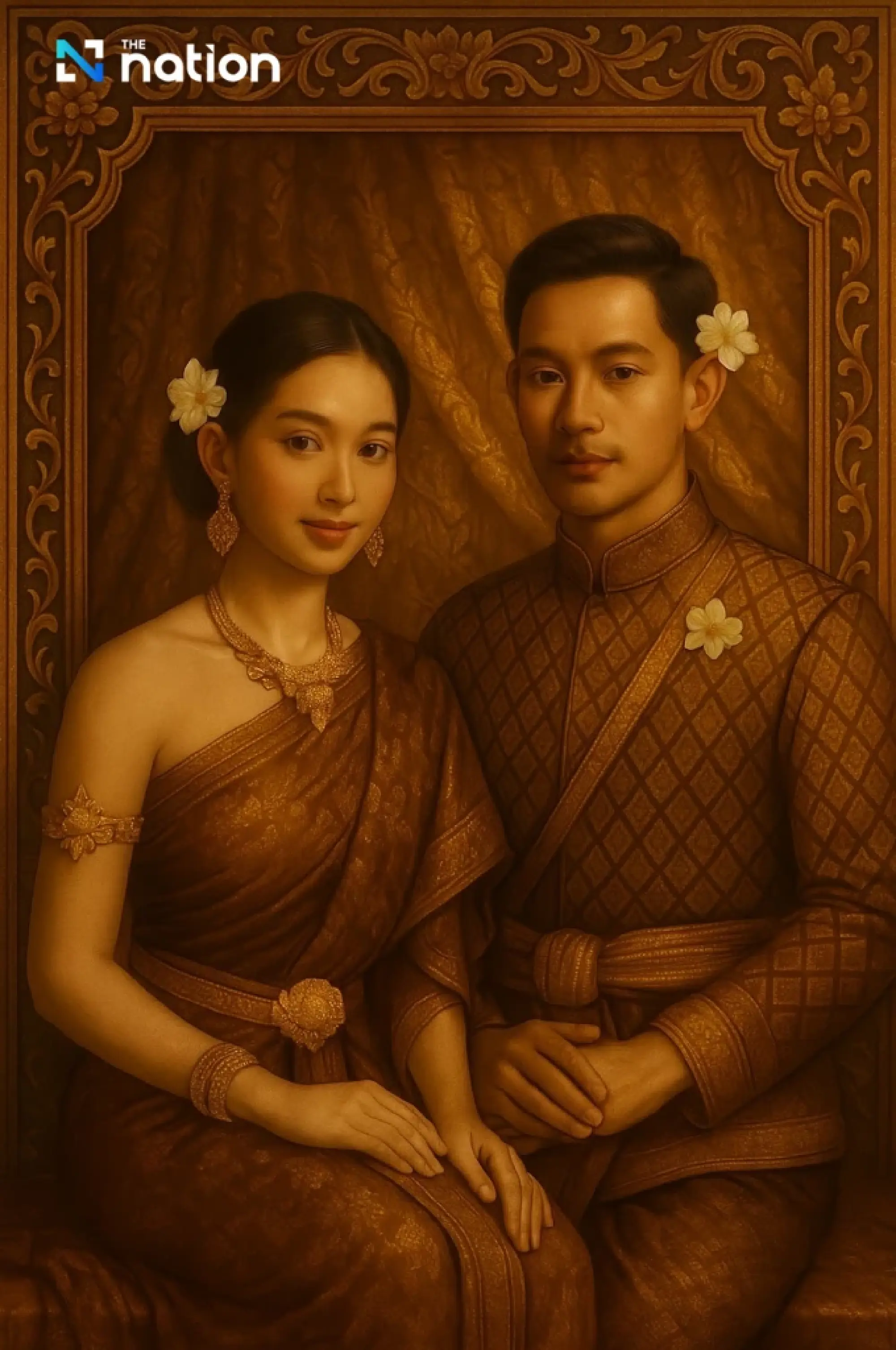
Similarly, men would wear flowers as a symbol of strength and leadership. Men in noble circles would place a flower on their right ear, signalling courage and the qualities of a leader.
However, if a man wore the flower on his left ear, it meant his heart was still open, just as a woman’s would be if her flower was on the left.


The Secret Love Code
But the flower’s placement wasn’t just a reflection of personality or virtue; it was a hidden code of love, a secret message that didn’t need words. The flower told you all you needed to know about someone’s heart.
If a woman wore the flower on her left ear, it was a silent declaration that she was available for love. If it was on her right, she was already spoken for. Men, too, used the flower in the same way, but the meaning was reversed: the right ear for an available heart, the left for a heart already claimed.
This tradition became an unspoken, widely understood way to communicate romantic interest without saying a word.
A simple glance at someone's flower placement could tell you whether or not there was hope for romance, whether to move closer or to walk away.

The Legacy of Flower Communication Today
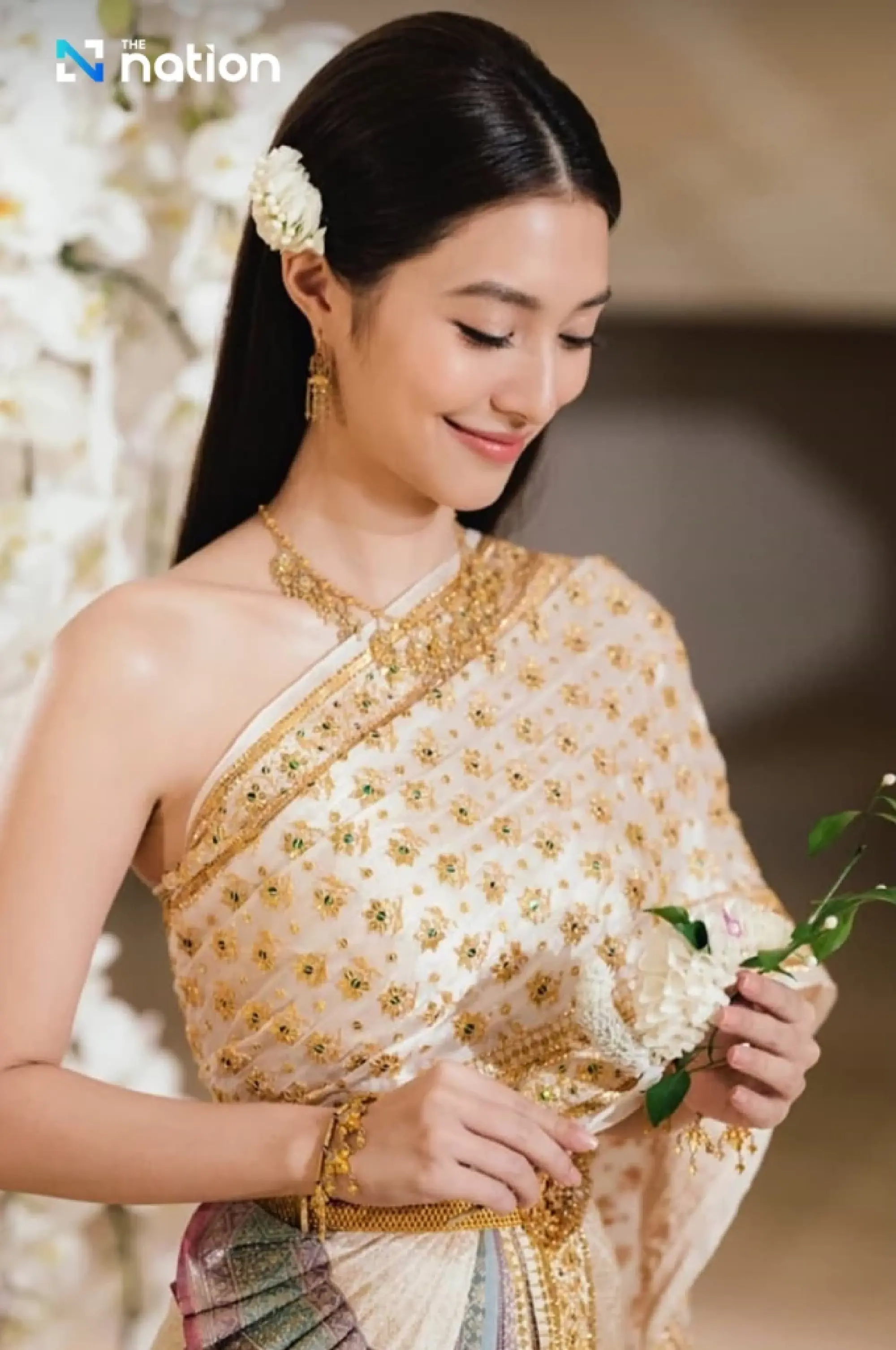
Though the tradition of wearing flowers to signal love is no longer widely practised, it still holds a place in the collective memory of Thai culture. The question remains, "Is your heart still available?" Just as in the past, many of us still communicate unspoken messages through our actions, our eyes, and even the smallest of gestures.
So, while we may not wear flowers on our ears anymore, the essence of this quiet tradition remains. Whether it's the subtle glances, the small smile, or the pause in someone’s step, we are still sending signals to those around us. In a world of online dating and digital connections, sometimes, it’s the silent messages, the ones that don’t need words, that still carry the most meaning.
