
The many flavours of Thailand's iconic Songkran streets


Songkran, Thailand’s world-famous water festival, isn’t just about splashing water—it’s a deep-rooted tradition celebrating the Thai New Year with joy, unity and a sense of renewal.
While many associate Songkran with the legendary water fights in Bangkok’s Khao San Road, the festival has expanded across the country with unique, regional twists. From the bustling capital to small towns, Songkran has transformed streets into lively arenas of culture and celebration.

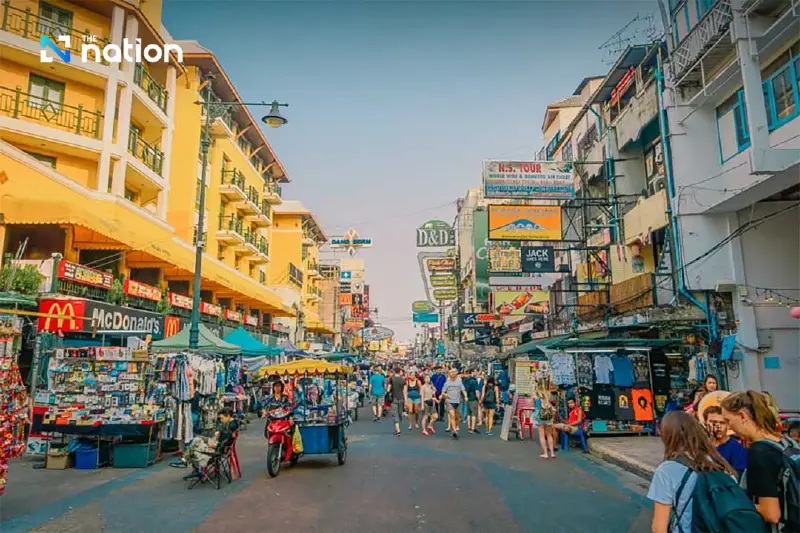
Khao San Road: The original Songkran street
Khao San Road, the first official Songkran street in Thailand, was established in 1992 as a hotspot for tourists looking to experience the water fights in full swing.
With its vibrant atmosphere, lined with street vendors, music and endless water battles, Khao San became the epicentre of Songkran celebrations, drawing both locals and international visitors.
The street's transformation from a backpacker’s haven to a must-visit Songkran destination has inspired other provinces to follow suit.

Khon Kaen’s Sticky Rice Street: The first inspired provincial Songkran road
In 2002, Khon Kaen became the first province to replicate the concept of Khao San’s Songkran festivities. The city designated Sri Chan Road as the official Songkran street and aptly named it “Sticky Rice Street” (ถนนข้าวเหนียว), a nod to the region’s signature dish.
The event, now spanning from Na Muang Road to the city’s iconic gate, is famous for its fun-loving crowd, parades and traditional northeastern music.
Regional Songkran streets: A celebration of local identity
The success of Khao San and Sticky Rice Street paved the way for other provinces to craft their own Songkran roads, each with a name inspired by local cuisine or cultural significance. Here’s a glimpse into Thailand’s diverse Songkran streets:
Central Thailand

Thanon Khao Chae (ถนนข้าวแช่) or rice soaked in cool fragrant water street in Pathum Thani province takes inspiration from the local delicacy, Khao Chae, symbolising the region’s refreshing and time-honoured culinary tradition.

Thanon Khao Tok (ถนนข้าวตอก) or Puffed Rice Street, Sukhothai province – Symbolising prosperity and good wishes for the New Year.

Northern Thailand

Thanon Khao Tan (ถนนข้าวแต๋น) or Rice Cracker Street, Nan province – Representing a crispy northern treat made of sticky rice.

Thanon Khao Pod (ถนนข้าวโพด) or Corn Street, Phetchabun province – Paying homage to the province’s corn farming heritage.
Thanon Khao Kanom Sen (ถนนข้าวขนมเส้น) or Rice Noodle Street, Phrae province – Honouring the beloved Thai noodle dish.
Northeastern Thailand (Isaan)
Thanon Khao Kam (ถนนข้าวก่ำ) or Fermented Rice Street, Kalasin province – Showcasing the region’s unique dark purple sticky rice.
Thanon Khao Hom Mali (ถนนข้าวหอมมะลิ) or Jasmine Rice Street, Roi Et province – A tribute to Thailand’s world-renowned fragrant rice.

Thanon Khao Poon (ถนนข้าวปุ้น) or Rice Vermicelli Street, Nakhon Phanom province – Celebrating the traditional Isaan noodle dish.
Southern Thailand

Thanon Khao Yum (ถนนข้าวยำ) or Rice Spicy Salad Street, Pattani province – Representing the region’s famous herbal rice salad.
Thanon Khao Sangyod (ถนนข้าวสังข์หยด) or Sangyod Rice Street, Phatthalung province – Highlighting the premium rice variety unique to the South.
Thanon Khao Mak (ถนนข้าวหมาก) or Rice Wine Street, Narathiwat province – Featuring a nod to Thailand’s fermented rice delicacy.
Songkran: More than just a water fight
These Songkran streets do more than provide a space for fun and water fights — they serve as cultural landmarks celebrating Thailand’s rich heritage, regional specialities and strong community ties.
Whether you're in the heart of Bangkok or the farthest provinces, each Songkran street offers a unique experience, blending old traditions with modern revelry.
So, as Songkran approaches, grab your water gun, explore a new Songkran street and immerse yourself in Thailand’s most exhilarating and meaningful festival!
