
The History and Story of Thailand’s Legendary Poet: Sunthorn Phu
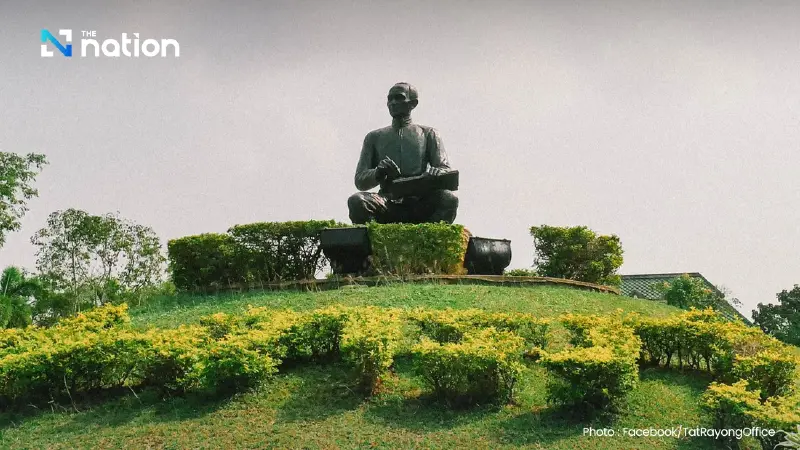


Thailand celebrates Sunthorn Phu Day on June 26, commemorating the birth of the country’s most revered poet, Sunthorn Phu.
His literary works have earned him global recognition and a place among the world’s most significant historical literary figures.
Born on June 26, 1786, during the reign of King Rama I, Sunthorn Phu—later granted the noble title Phra Sunthorn Voharn—is remembered for his enduring contributions to Thai literature. His most notable works include Phra Aphai Mani, Nirat Phu Khao Thong, Nirat Mueang Klaeng, Kap Phra Chai Suriyawong, Suphasit Son Ying (Proverbs for Women), and contributions to Khun Chang Khun Phaen. Many of these works remain part of the national curriculum and cultural identity.

Sunthorn Phu was born to a father from Ban Kram in Klaeng District, Rayong Province, and a mother from another province. He began his education at a young age under the guidance of monks at a temple that would later become Wat Srisudaram in Bangkok. In his early adulthood, he entered royal service as a clerk in the Royal Garden Department.
His talent in poetry soon earned him royal favor. During the reign of King Rama II, he was appointed Khun Sunthorn Voharn in the Royal Scribes Department. He became a trusted literary advisor to the king and was particularly known for his contributions to royal poetry and revisions of classical works such as the Ramakien.
Despite facing personal struggles, including financial hardship that forced him to write for a living and even retreat to monkhood, Sunthorn Phu continued to write prolifically.

He received renewed support during King Rama III’s reign through royal patronage from Princess Apsornsudathep. In 1851, King Rama IV elevated him to the title Phra Sunthorn Voharn and appointed him head of the Royal Scribes Department for the Front Palace.
He served in this role until his death in 1855 at the age of 70. In recognition of his legacy, the Thai government officially designated June 26 as Sunthorn Phu Day—a time to reflect on the poet’s impact on Thai language, literature, and national identity.
Sunthorn Phu’s influence endures not only in academic and literary circles but also in everyday Thai life, where his verses are still quoted and cherished for their lyrical beauty, wit, and wisdom.
