
Ministry of Culture denies Cambodia registered 22 Thai literary works


The Ministry of Culture clarifies false claims about Cambodia registering 22 Thai literary works with UNESCO, highlighting shared cultural heritage in the region.
A recent claim circulating on social media that "Cambodia has successfully registered 22 Thai literary works with UNESCO" has sparked concerns and criticism regarding the Thai government's actions.
In response, Thailand's Ministry of Culture has issued a detailed clarification to the public, asserting that the information is "false" and based on a misunderstanding.
Fact Check: Cambodia Registers "Performing Arts," Not "Literature"
The Ministry explained that what Cambodia submitted and successfully registered with UNESCO is the "Royal Ballet of Cambodia", a performing art form, not 22 literary works as suggested in the claim. The Royal Ballet of Cambodia was officially recognised as an intangible cultural heritage of humanity by UNESCO in 2003, not a list of literary works.
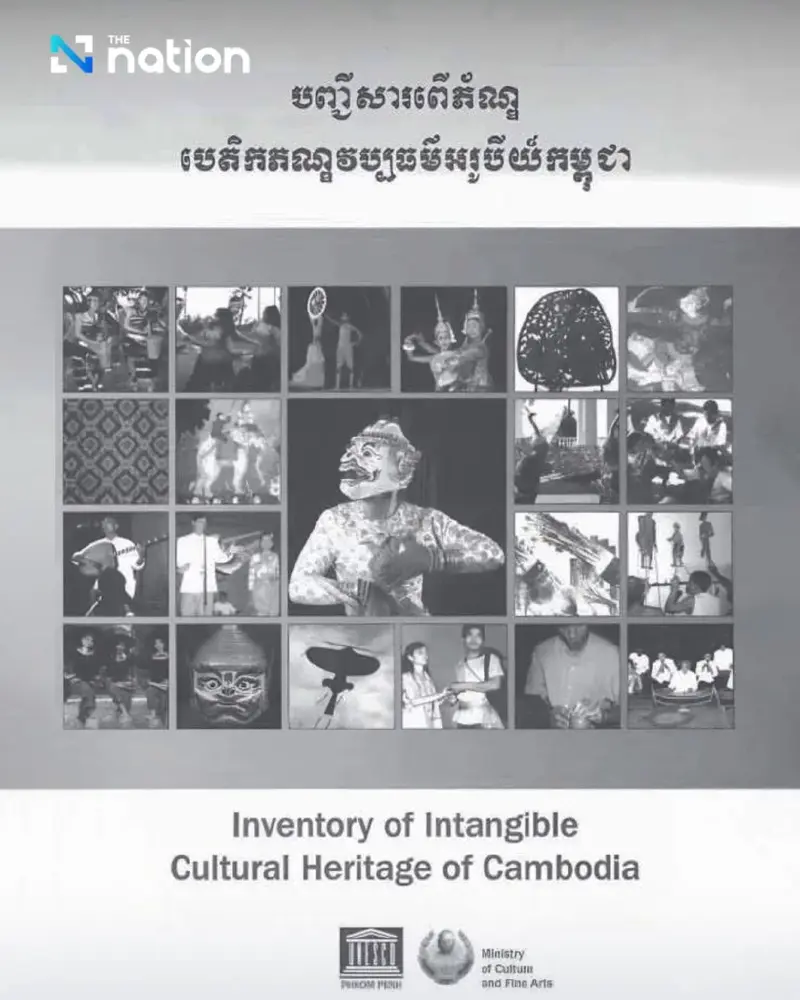
The literary works mentioned, such as Krai Thong, Phra Sang, and Unarut, are simply part of the "Inventory of Intangible Cultural Heritage of Cambodia," published in 2005. This compilation includes theatrical scripts used in the Royal Ballet of Cambodia but was never submitted directly to UNESCO for registration.

UNESCO Criteria: "Literature" Cannot Be Registered Independently
Under the 2003 UNESCO Convention for the Safeguarding of the Intangible Cultural Heritage, "literature" is not a category that can be directly proposed for registration. UNESCO recognizes intangible cultural heritage across five key domains:
- Oral traditions and expressions
- Performing arts
- Social practices, rituals, and festive events
- Knowledge and practices concerning nature and the universe
- Traditional craftsmanship
Thus, the claim that "22 literary works" were registered directly with UNESCO contradicts UNESCO’s guidelines.
Shared Cultural Heritage
The Ministry also highlighted that many of the literary works in the Cambodian list are part of "shared cultural heritage," which has been influenced and circulated throughout Southeast Asia for centuries. Works such as Ramayana, Inao, Sangthong, and Krai Thong are found in the theatrical traditions and performing arts of several countries, including Thailand, Laos, Myanmar, and Indonesia.
Additionally, some of these literary works have origins in royal compositions and classical poetry from Thailand’s Rattanakosin period, such as:
- Krai Thong, Sangthong, Inao: Composed by King Rama II
- Unarut, Ramayana: Composed by King Rama I
- Jantakorop, Laksanavong: Works by Sunthorn Phu, Thailand's famous poet
Thailand's Intangible Cultural Heritage Recognition by UNESCO
As of 2016, Thailand is a member of the UNESCO Convention, and it has six registered items on UNESCO’s list of intangible cultural heritage:


- Khon (2018)
- Thai Massage (2019)
- Nora (2021)
- Songkran (2023)
- Tom Yum Goong (2024)
- Kebaya (2024, registered jointly with four other countries)
Moreover, there are four additional items awaiting consideration: Thai attire, Muay Thai, Thai loincloth, and the Loy Krathong tradition.
The Ministry emphasised that UNESCO’s primary goal is to "safeguard" cultural heritage and raise awareness of its shared value, not to claim exclusive ownership. The Ministry also reassured the public that they are closely monitoring the developments in other countries, working to build regional understanding, and promoting Thailand’s cultural heritage globally.
The Ministry urged citizens not to fall for false information and to verify news from credible sources before sharing it.
