
Get Ready for Equal Day and Night: The Autumnal Equinox Arrives on 23 September
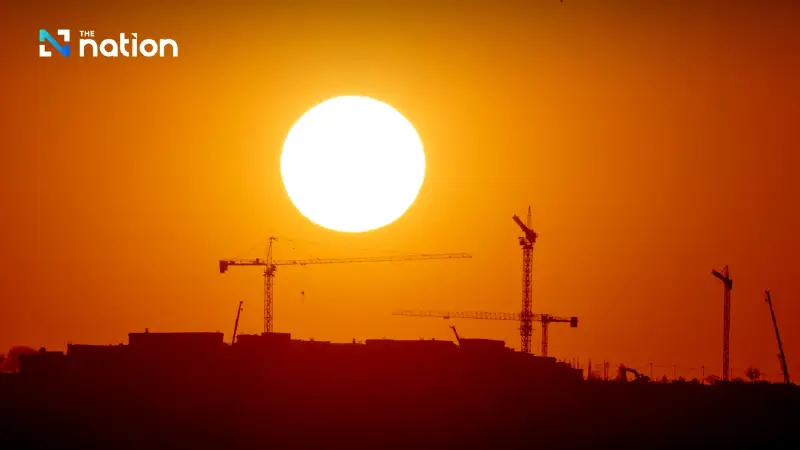


The celestial event marks the astronomical start of autumn in the Northern Hemisphere and spring in the Southern Hemisphere as the sun aligns with the equator
On 23 September, the world will experience the Autumnal Equinox, a celestial event when the sun aligns directly over the Earth's equator, resulting in a day with roughly equal hours of daylight and darkness.
This astronomical phenomenon marks the official start of autumn for countries in the Northern Hemisphere and the beginning of spring for nations in the Southern Hemisphere.
During the equinox, the sun rises precisely in the east and sets exactly in the west. However, while the day is astronomically defined as having 12 hours of light and 12 hours of dark, the actual sunrise and sunset times may vary slightly.
According to Thai astronomers, in Bangkok, the sun will rise at approximately 6:07 a.m. and set at 6:13 p.m.
This minor discrepancy is due to the way sunrise and sunset are officially measured—from the moment the upper edge of the sun appears or disappears on the horizon, not its centre.
Light refraction in the atmosphere also contributes to extending the perceived daytime by about 8-10 minutes.
The word "equinox" itself comes from Latin, meaning "equal night." This event occurs twice a year: the Vernal Equinox in spring and the Autumnal Equinox in autumn.
Looking ahead, the next significant astronomical event will be the Winter Solstice on 21 December.
This day will have the shortest period of daylight and the longest night of the year in the Northern Hemisphere, where it marks the beginning of winter. For countries in the Southern Hemisphere, it will be the longest day of the year, signalling the start of summer.
