
What is Loy Krathong tradition? Objectives and Significance Explained


Learn about the Loy Krathong tradition, its objectives, and the significance behind this beloved Thai festival, celebrated on the full moon of the 12th month

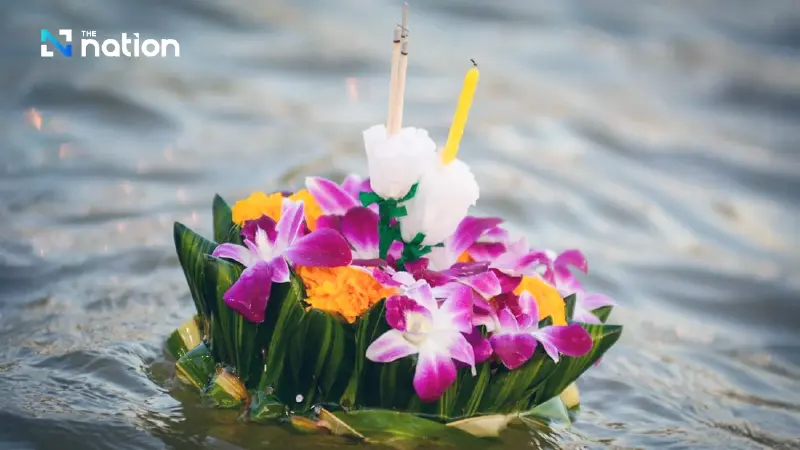
Loy Krathong is a significant cultural heritage of Thailand, known both locally and internationally. Celebrated on the full moon of the 12th month of the lunar calendar, this festival marks a time of celebration, joy, and reflection. The tradition involves floating decorated vessels, called "krathongs," in rivers or bodies of water, symbolising the release of misfortune and offering thanks to the water goddess, Phra Mae Khongkha.
The festival’s origins are rooted in various beliefs from Buddhism, Hinduism, and local folklore. Though similar customs are observed in countries like China, India, Cambodia, and Laos, the details of the ritual and the beliefs may differ from region to region.
Objectives of Loy Krathong
The goals and beliefs surrounding the festival vary depending on the local traditions, but they commonly revolve around the following purposes:
1. To honor the Buddha during His return from heaven, after spending time in the Tavatimsa heaven to preach to His mother.
2. To pay tribute to the sacred hair relic of the Buddha, which is enshrined in the Jewel Mountain on the heavenly realm of the Tavatimsa heaven.
3. To honor the Buddha's footprints on the sands of the Nammathanati River in India.
4. To venerate the great monk Upagupta, who meditated in the deep sea and is believed to have the power to defeat evil spirits.
5. To worship the gods of Brahmaloka (Brahma's realm).
6. To thank Phra Mae Khongkha, the goddess of the river, for providing water for human use.
7. To apologize to Phra Mae Khongkha for polluting the water.
8. To remember and pay respects to ancestors who have passed away.
9. To rid oneself of bad luck and misfortune, symbolizing the cleansing of sins in the Hindu tradition.
10. To make a wish and pray for future prosperity.
The Loy Krathong festival is a blend of cultural, spiritual, and symbolic meanings, representing a time to celebrate life and seek forgiveness, blessings, and good fortune.
Source: Department of Cultural Promotion
