
Animals that represent foolishness around the world
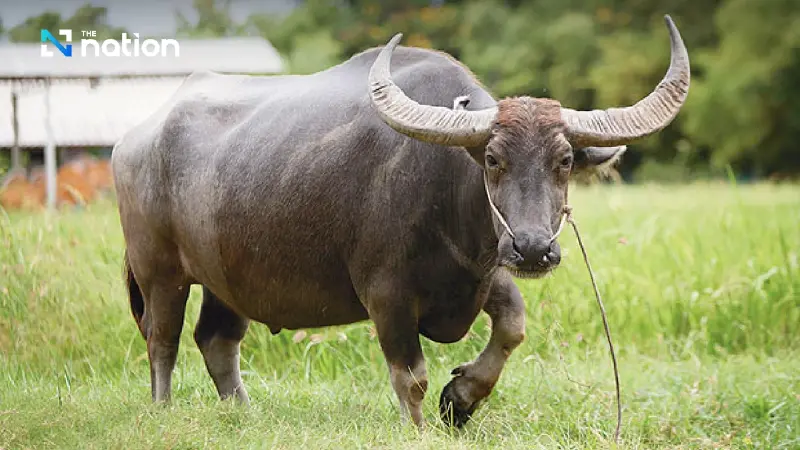


In every culture, certain animals are often associated with specific traits, some positive, some not so much. When it comes to the stereotype of "foolishness," various animals play key roles in representing this idea across different countries.
From donkeys to ducks and even buffalo, animals have become cultural symbols for ignorance and gullibility. Let’s take a lighthearted look at these quirky animal associations and how they vary around the world.
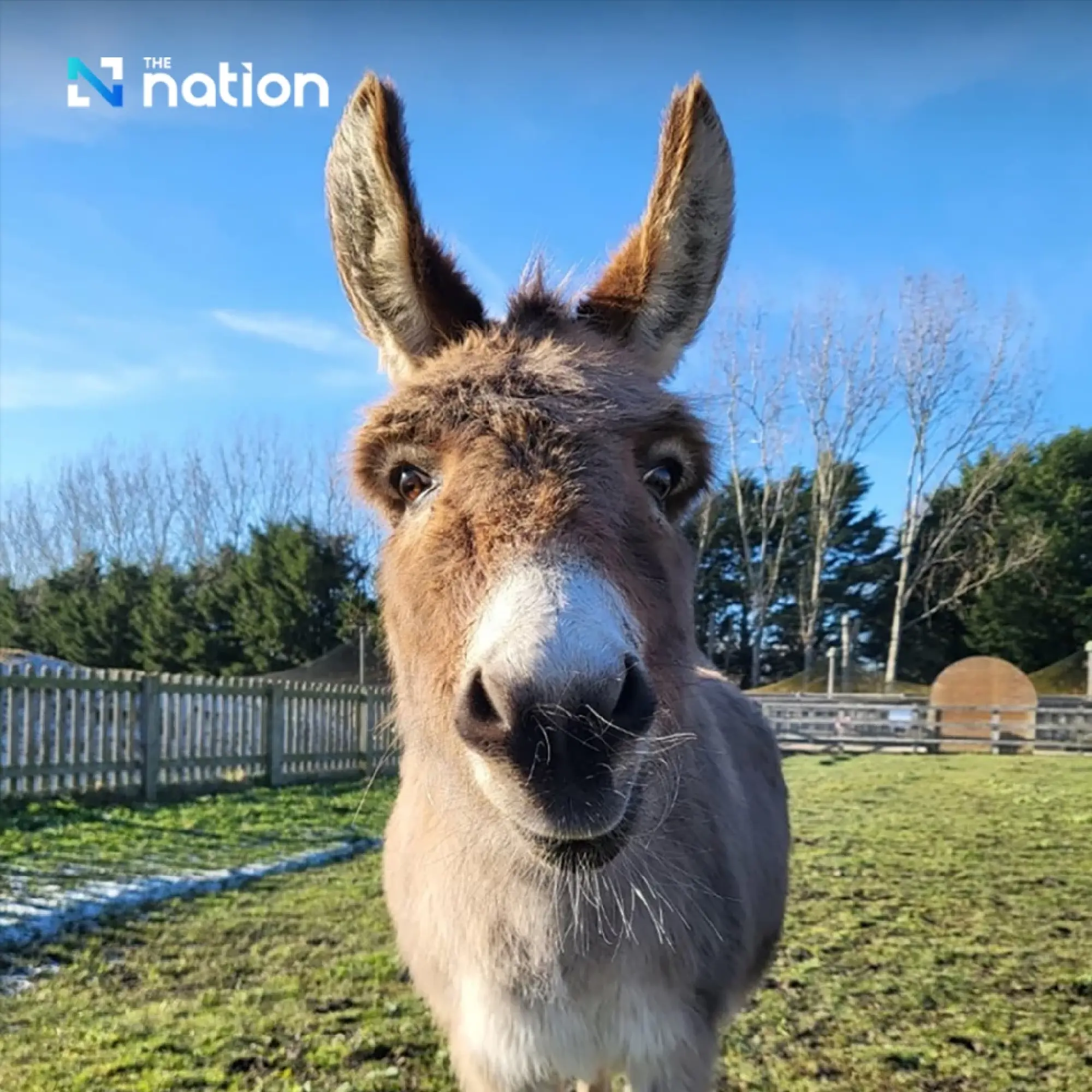

The Donkey: The US’s Symbol of Foolishness
In the United States, the humble donkey has long been linked with the idea of foolishness. Known for its stubborn nature, the donkey often symbolises ignorance, especially in political discourse.
This stereotype may be influenced by the phrase "stubborn as a mule," but in a more humorous light, it’s also used to describe someone who’s easily fooled or naive.
Despite the stereotype, donkeys are actually intelligent creatures, but the association persists in popular culture, particularly when it comes to depicting foolish or naive characters.
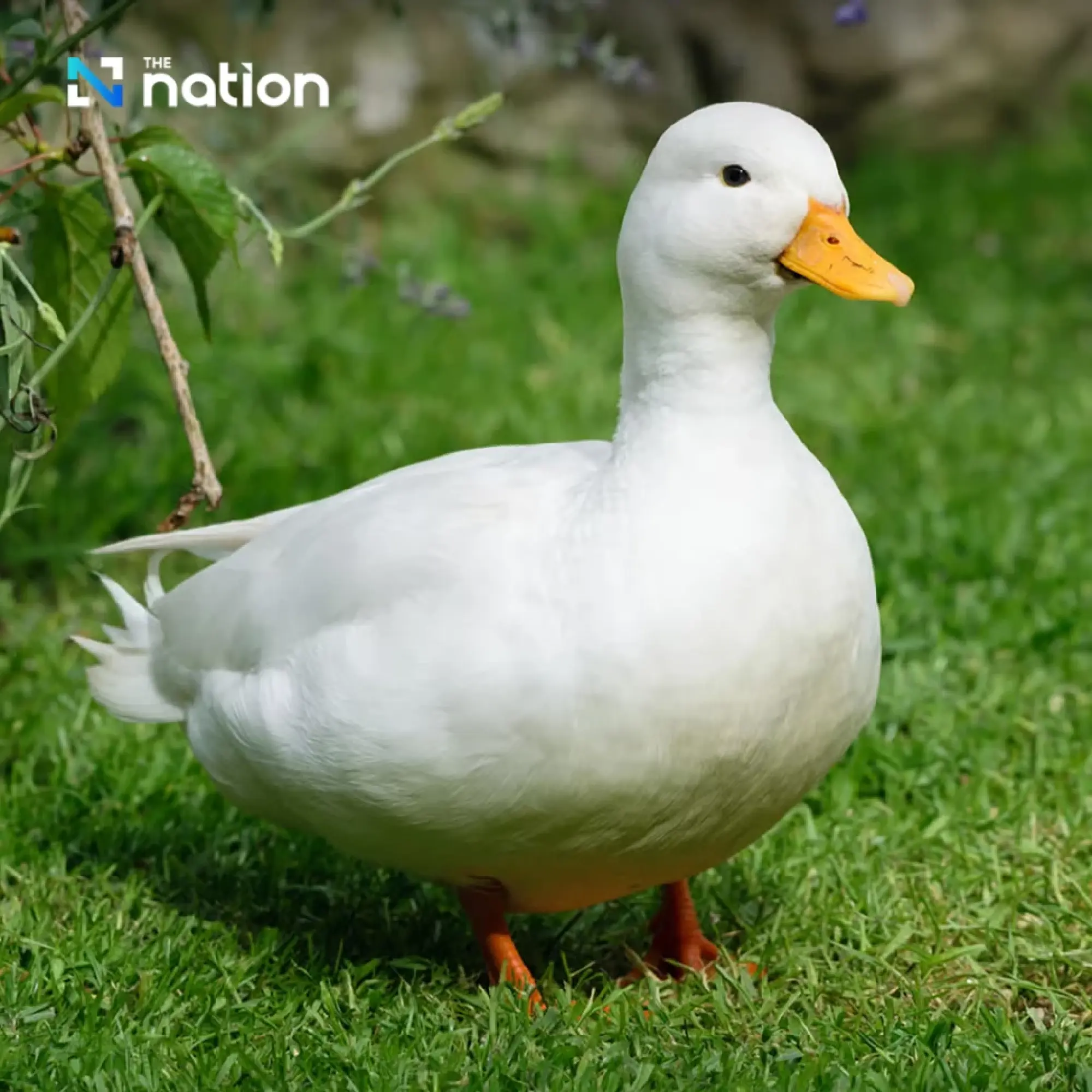

The Duck: Japan’s Gullible Mascot
In Japan, the duck represents someone who is easily tricked or fooled. The image of a duck quacking without much thought has become a humorous symbol of gullibility.
This stereotype might stem from the image of ducks as carefree animals, seemingly oblivious to their surroundings, making them a fitting metaphor for naivety or the tendency to fall for trickery.
Ducks are often used in Japanese cartoons and stories as characters who don’t think things through, adding to their reputation as symbols of foolishness.

The Goose: Germany’s Symbol of Gullibility
In Germany, the goose takes the crown for being the "foolish" animal. Often seen as clumsy and easily frightened, the goose has earned its reputation for being gullible.
This stereotype might stem from the bird’s loud, oblivious nature, honking away without much regard for its surroundings.
In German folklore, the goose is sometimes portrayed as foolish or naive, further cementing its place as the animal of choice for representing gullibility.
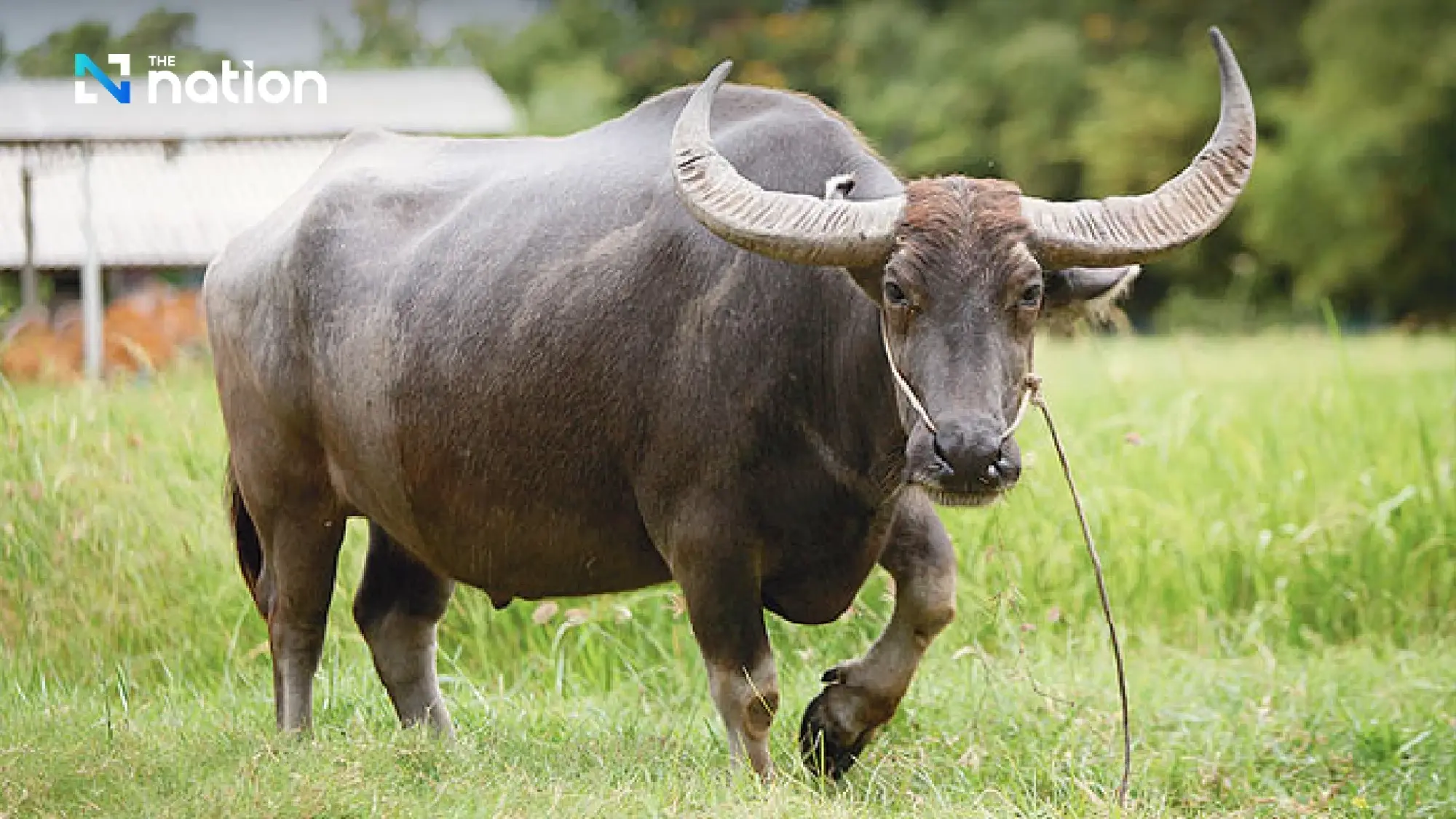

The Buffalo: Thailand’s Stubborn and Foolish Mascot
Over in Thailand, the buffalo is associated with both strength and stubbornness, and yes, sometimes a bit of foolishness.
In Thai culture, the buffalo is a symbol of hard work and endurance, but it’s also linked to the idea of being a little too stubborn.
Thai mothers, in particular, have a saying: "If you don’t go to school, buffalo horns will grow out of your head."
This saying humorously warns children against being lazy or foolish, suggesting that they’ll end up as stubborn as the buffalo, working endlessly without thinking.
What Animal Represents Foolishness in Your Country?
Around the world, these animal symbols for foolishness highlight the unique ways different cultures perceive certain traits. From the donkey in the US to the buffalo in Thailand, animals have long been used as metaphors for human behaviour. Whether you agree with these stereotypes or not, it’s always interesting to see how different societies choose their “foolish” mascot.
So, which animal represents foolishness in your country?
