
Why Thais can’t live without Namprik
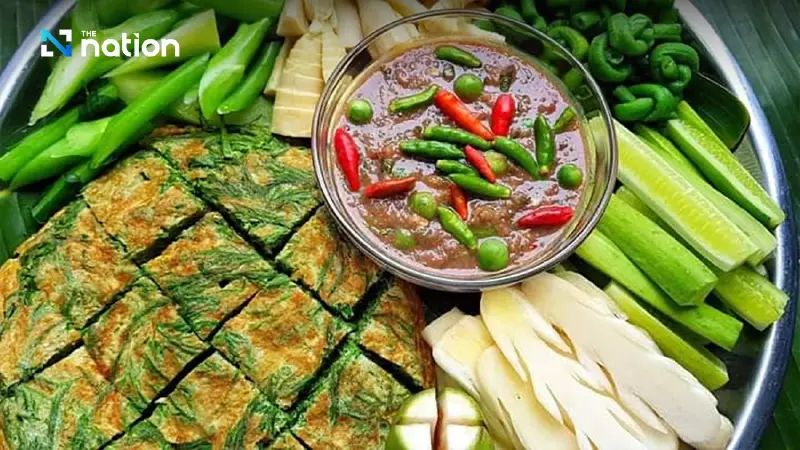


Namprik may look simple at first glance, a small bowl of spicy dip surrounded by fresh vegetables, perhaps a piece of fried fish, or even just warm rice. But for Thais, this humble dish is far more than a condiment. It is a cornerstone of home cooking, a cultural symbol, and a daily necessity that brings balance, flavour, and identity to the table.
Across Thailand, every household seems to have its own go-to version of Namprik. Some families swear by recipes passed down for generations; others enjoy exploring new twists while staying true to tradition.
For many Thais, a meal feels incomplete without a punchy dip to liven up the simplest ingredients. Even a plate of plain vegetables or leftover rice becomes satisfying when paired with a good Namprik.
What makes this chilli dip so beloved is the way it celebrates local ingredients and regional character.
In the cooler North, Namprik Ong (น้ำพริกอ่อง) offers a gentler side of Thai spice. Made with minced pork, tomatoes, garlic, and mild dried chillies, it resembles a thick, savoury relish. It is the kind of Namprik that brings families together, often served with crunchy vegetables and pork crackling, a favourite combination in Chiang Mai and surrounding provinces.

Travel down to the South and the flavours intensify. Namprik Goong Siab (น้ำพริกกุ้งเสียบ), packed with dried shrimp, toasted chillies, and aromatic herbs, delivers a fragrant, spicy kick that reflects the region’s bold culinary identity. Southern home cooks take pride in achieving the perfect balance of heat, saltiness, and umami, often paired with steamed vegetables, fresh herbs, and rice to mellow the intensity.

In Central Thailand, the classic Namprik Kapi (น้ำพริกกะปิ) reigns supreme. Made with fermented shrimp paste, lime juice, garlic, chillies, and a touch of palm sugar, this version is the essence of Thai comfort food. The aroma is unmistakable, and its punchy, salty richness makes it a favourite accompaniment to crispy fried fish, boiled vegetables, and even green mango. For many, this is the Namprik that evokes childhood memories and the aroma of mum’s kitchen.

Then there is the unforgettable charm of Isaan cuisine. 
In truth, there are countless variations of Namprik across the country. Every region, every province, even every household adds its own touch, whether it’s adding roasted eggplant, crab, tamarind, green chillies, wild herbs, or even seasonal ingredients like young ginger or bamboo shoots. The diversity of Namprik reflects the diversity of Thailand itself.

At its heart, Namprik represents the Thai way of eating: fresh, balanced, communal, and full of character. It encourages sharing, invites conversation, and transforms simple meals into something memorable.
So, which Namprik have you tried and which one is your favourite? The answer might just say something about where you’re from, the food you grew up with, or the flavours you love most.
