
Why April 15 marks Thailand’s true New Year in the ancient tradition
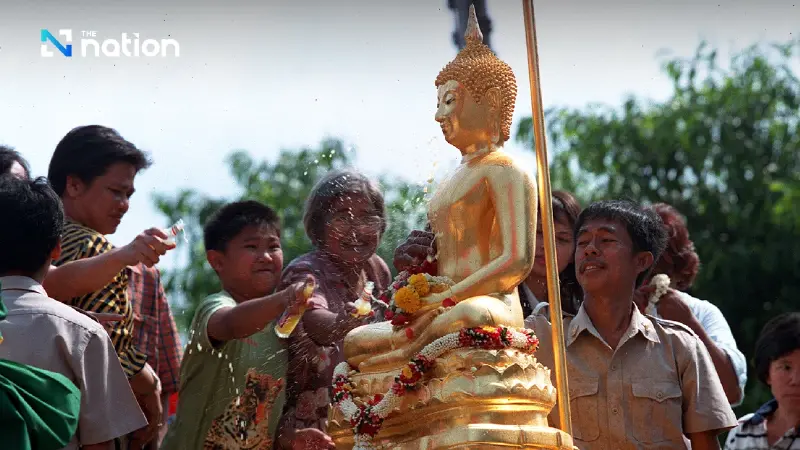


April 15, known as Wan Thaloeng Sok or Wan Phaya Wan, marks the true start of the Thai New Year in ancient belief and Lanna tradition
As Songkran enters its final stretch, many people still assume that April 13 is Thailand’s New Year’s Day. But under ancient Thai astrological belief and long-standing tradition, it is April 15, known as Wan Thaloeng Sok, that marks the true beginning of the new year.
In 2026, the day also coincides with Wan Phaya Wan in Lanna belief, a date regarded as the most auspicious of the year and a powerful moment for new beginnings.
The term 'Thaloeng Sok' literally means the start of a new era, or the transition into a new minor era in the old calendar system.
In traditional belief, Songkran is divided into three key days.
- Wan Maha Songkran on April 13 marks the point when the sun begins to move from Pisces into Aries.
- Wan Nao on April 14 is the transitional day when the sun is poised between the two zodiac signs. In the North, it is also regarded as a day on which people are traditionally warned against quarrelling or using harsh language.
- Wan Thaloeng Sok on April 15 is the day when the sun fully enters Aries, separating from Pisces by at least one degree. This is regarded as the true turning point of the new year.
Some astrological calendars for 2026 may place Wan Thaloeng Sok on April 16. However, for ease of understanding and in line with the public holiday period, most people still observe April 15 as the start of the Thai New Year.

In northern tradition, this day is called 'Wan Phaya Wan' and is believed to carry the purest spiritual energy of the year. It is considered especially suitable for beginning new things and performing rituals for good fortune.

Customs commonly observed on this day include wearing new clothes to welcome a fresh start and bring good luck, making merit and offering alms, and performing tan tung, a traditional northern act of merit-making dedicated to ancestors and guardian spirits.

nother important ritual is 'rod nam dam hua', in which scented water is gently poured as a gesture of respect to elders. The act symbolises gratitude, the washing away of misfortune and the receiving of blessings for the year ahead.
Some communities also hold 'suab chata' (life-extending ceremonies), as well as rituals to dispel bad luck, in the hope of ensuring a smooth and fortunate year.
Seen in this light, Songkran is far more than a water festival. It is a celebration of grace, goodwill and family ties, a time to show respect, reconnect with loved ones and begin the year with a clear mind and positive spirit.
Wan Thaloeng Sok, or Wan Phaya Wan, is therefore not just another date in the Songkran calendar. In traditional belief, it is the true starting point of the Thai New Year, a moment to begin again with hope, blessing and renewal.
