
Singapore and Vietnam sign deal to create ASEAN Rice Hub, promote low-carbon rice trade
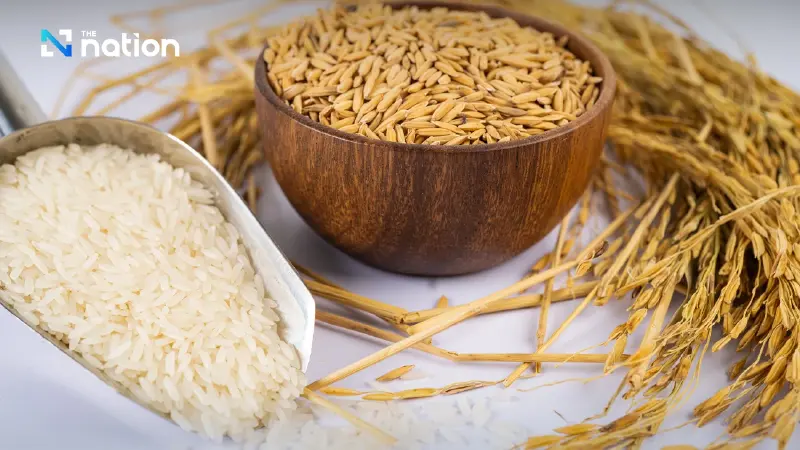


Singapore and Vietnam sign an MOU to develop a sustainable rice trade, creating the ASEAN Rice Hub and linking it to Singapore's carbon market, CIX.
On October 30, 2025, Singapore and Vietnam signed a Memorandum of Cooperation (MOC) to create a sustainable rice trade partnership, marking a key development for both countries in the global food supply chain. The collaboration, part of the Vietnam-Singapore Comprehensive Strategic Partnership (CSP) signed in August 2023, aims to promote the trade of low-carbon rice and enhance food security.

Assoc Prof Dr Aat Pisanwanich, an expert in international and ASEAN economics, explained that this MOU is the first of its kind between Singapore and a trading partner but is not Vietnam’s first rice-related agreement. Vietnam has also signed similar agreements with the Philippines, Indonesia, and Malaysia, although these did not focus on sustainable rice practices like Singapore’s.
The MOU outlines four main objectives:
- Enhancing food security: Singapore, which imports nearly 100% of its rice, will benefit from a more diversified supply chain, reducing reliance on a single source.
- Promoting sustainable rice trade: Both nations will work together to reduce carbon emissions in rice production, develop green supply chains, and use digital technology such as blockchain for traceability.
- Expanding Vietnam’s premium rice market: With Singapore’s global retail and logistics network, including companies like Olam and Wilmar, the partnership will help Vietnam expand its high-quality rice exports to regions such as the Middle East and Europe.
- Supporting the ASEAN Rice Hub: Singapore aims to establish itself as the ASEAN Rice Hub and connect with Climate Impact X (CIX), a carbon trading platform launched in 2021. CIX currently facilitates carbon credit trading for forest restoration projects in Indonesia and Africa.

In 2024, Singapore imported 424,329 tonnes of rice, valued at US$321.9 million, with India being the top supplier, followed by Vietnam and Thailand.
During the first seven months of 2025, Thailand exported 70,220 tonnes of rice to Singapore, worth 2.18 billion baht. This was an increase from 9,586 tonnes in the same period last year. Singapore ranked 17th in Thailand’s rice export markets during this period.
Aat concluded that the MOU will benefit both Singapore and Vietnam.
“The agreement ensures that Singapore will have a stable rice supply year-round and strengthens its position as a hub for high-quality rice and carbon credit trading, while Vietnam will benefit from expanded rice exports and Singapore’s marketing expertise. We expect to see the development of a ‘low-carbon rice’ brand, combining Singapore’s strength in marketing with Vietnam’s expertise in production.”

However, this issue will have significant implications for Thailand, particularly in the following areas:
- Impact on low-carbon rice trade: This includes Thailand’s sustainable rice exports, such as organic rice, as Vietnam produces and sells through Singapore, which could lead to Thailand losing the low-carbon rice market in the future.
- Singapore’s carbon trading market (CIX) will become the leading carbon trading platform for agricultural products in ASEAN. Additionally, Singapore plans to sell sustainable palm oil from Indonesia and Malaysia.
Aat stated that Thailand must urgently adapt in response to the cooperation between Singapore and Vietnam:
- Accelerate the development of a low-carbon rice production plan for the next 5 years.
- Establish pilot provinces for low-carbon rice production.
- Create a low-carbon rice model for farmers, mills, retailers, and exporters.
- Develop a premium international market plan for low-carbon rice.
