
Asia revives crisis playbook as oil shock pushes ‘worst-case’ measures
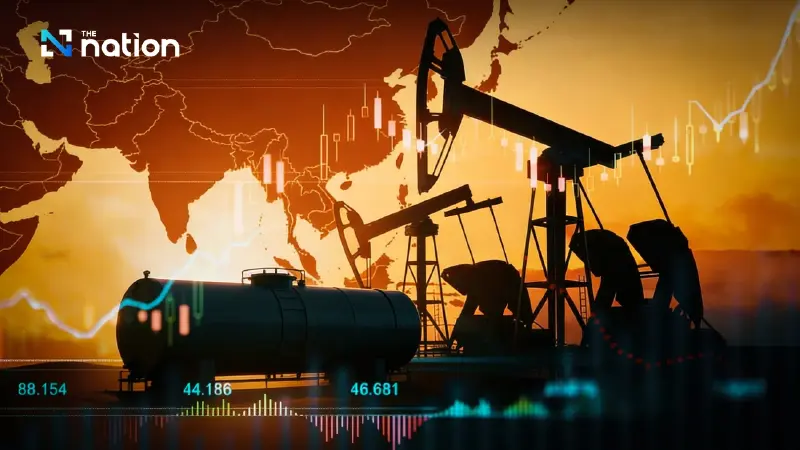


Asian governments roll out emergency measures as Middle East conflict disrupts oil supply, with South Korea and the Philippines entering worst-case response mode
Asian governments are ramping up emergency measures to deal with a deepening energy crisis triggered by conflict in the Middle East, as disruptions to oil flows through the Strait of Hormuz threaten supplies across the region.
Asia imports more than 80% of its crude oil through the strait, which handles roughly one-fifth of global energy shipments. With the risk of prolonged disruption rising, governments are turning to crisis-management strategies similar to those used during the Covid-19 pandemic.
South Korea, Philippines move into ‘worst-case’ mode
South Korea, one of the most exposed economies, imports about 70% of its crude oil and 20% of its LNG from the Middle East. According to Yonhap News Agency, Prime Minister Kim Min-seok has launched an emergency economic response plan, including the formation of five task forces to monitor energy, macroeconomic conditions, financial markets and household impacts.
The government has also stepped up monitoring with twice-weekly emergency meetings and a situation room at the presidential office, under orders from President Lee Jae Myung. Measures under consideration include fuel-saving policies such as vehicle rotation schemes, reduced household energy use and even fuel price caps — the first in nearly three decades.
In the Philippines, the government has declared a national energy emergency as fuel reserves drop to around 45 days and gas prices surge. President Ferdinand Marcos Jr. warned of an “acute risk” to energy supply and called for urgent measures to stabilise fuel availability and maintain economic activity.
Authorities are considering steps such as preventing hoarding, reducing the workweek to four days and suspending some flights to cut fuel consumption.
Southeast Asia under pressure
Across Southeast Asia, governments are taking varied approaches to cope with rising energy costs and supply risks.
In Singapore, authorities have urged households and businesses to conserve energy by using efficient appliances, switching to electric vehicles and setting air-conditioning at higher temperatures.
Vietnam is facing low strategic oil reserves of less than 20 days, putting pressure on power generation and industrial output. The government has activated its fuel price stabilisation fund and is seeking alternative crude supplies from partners including Japan and South Korea.
In Myanmar, the military government has imposed strict fuel rationing and introduced odd-even licence plate restrictions to control consumption.
Cost-of-living support expands
Some countries are focusing on cushioning the impact on households.
Japan has set aside around 800 billion yen (about Bt164 billion) to cap petrol prices at roughly 170 yen per litre.
In New Zealand, Finance Minister Nicola Willis announced weekly support payments of NZ$50 for low-income households starting in April.
Australia has moved to double penalties for fuel price gouging, aiming to prevent opportunistic increases as shortages begin to emerge.
Global warning and lessons from past crises
Fatih Birol, head of the International Energy Agency, has urged countries to adopt demand-reduction measures such as working from home and cutting air travel to ease pressure on oil markets.
He pointed to Europe’s response following Russia’s invasion of Ukraine as a real-world example of how such measures can help countries weather severe energy shocks without losing access to power.
As the crisis unfolds, Asia’s reliance on imported energy is once again under scrutiny, with governments racing to balance supply security, economic stability and the rising cost of living for millions across the region.
