
Aviation squeeze — Asia’s carriers seek state lifeline
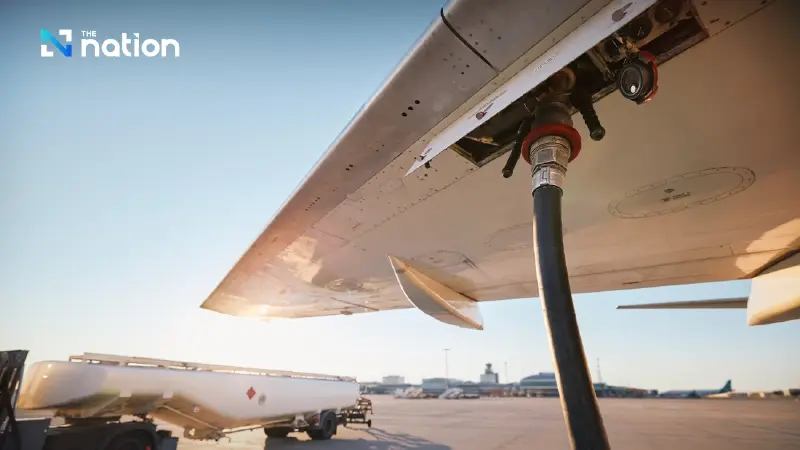


AAPA warns high jet fuel prices could push weaker Asian airlines towards collapse without targeted government support
Asian airlines are urging governments to provide targeted support as soaring aviation fuel prices threaten to push weaker carriers towards collapse.
Wong Hong, the new director general of the Association of Asia Pacific Airlines (AAPA), said carriers across the region were facing mounting pressure after jet fuel prices more than doubled following the outbreak of the Iran conflict in late February.
He warned that, without government relief, some airlines could risk the same fate as Spirit Airlines in the United States, which ceased operations in early May after struggling with financial pressure and rising fuel costs.
“No one wants to see any airline suffer the same fate as Spirit,” Wong said in an interview.
The warning follows a recent report that Spirit Airlines, once a major US ultra-low-cost carrier with about 5% of the domestic market, ceased operations on May 2 after failing to secure support for a rescue package. The airline had already been under bankruptcy pressure, but the sharp rise in jet fuel prices after the Iran conflict pushed its restructuring plan beyond reach. Spirit said it would wind down operations after fuel prices rose far above the level assumed in its recovery plan, leaving thousands of flights cancelled and disrupting the US low-cost aviation market.
Wong said different airlines would require different levels of assistance, ranging from direct capital injections to regulatory flexibility that would allow carriers to reduce flights without being penalised.

Some governments in Asia have already introduced measures, although support remains limited and uneven. Malaysia has extended or waived several airport-related fees, while India has cut aviation fuel taxes to ease airline costs.
Others have yet to offer similar relief. Hong Kong has not announced airline support measures, while Air New Zealand, despite being majority state-owned, has also received no special assistance even as it braces for heavy full-year losses and accelerates cost-cutting.
Wong said government criticism of airline flight reductions showed the need for policymakers to better understand the pressures facing the aviation sector.
“I would like governments to engage and understand this issue better, because the aviation ecosystem is extremely important and we do not want to see any airline go bankrupt,” he said.
AAPA expects airline profitability to weaken in 2026, while passenger volumes are likely to fall as higher ticket prices weigh on demand.
The association currently has 18 member airlines, including Singapore Airlines, Cathay Pacific, Air India and Qantas Airways.
Wong, who joined AAPA in April 2026, has more than 22 years of international aviation experience, including senior roles at Singapore Airlines and Delta Air Lines. He said one of his priorities during his term would be to bring mainland Chinese airlines into the association.
