
Thailand’s gender disparity in AI education raises concerns
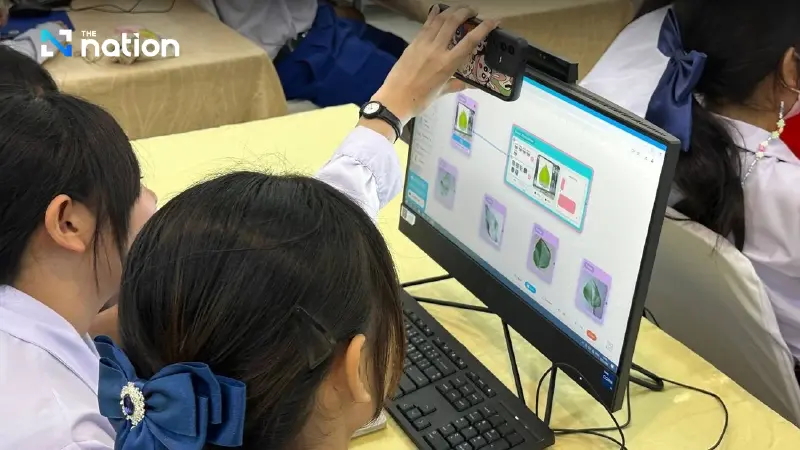


Though female enrolments in GenAI courses grew by 370% in 2024, a wide gender gap persists due to barriers like confidence and time constraints
Thailand is experiencing a surge in the adoption of Generative AI (GenAI), but a significant gender disparity threatens to undermine the nation’s technological progress.
While women make up half of all online learners, they account for only 30% of GenAI course enrolments, reflecting global trends. This underrepresentation raises concerns about equitable access to AI opportunities as Thailand aims to solidify its position as a regional technology hub.
Despite the gap, Thai women are increasingly interested in AI skills. In 2024, female GenAI course enrolmentts surged by 370%, nearly doubling the 191% growth among male learners. The government, through its National AI Strategy and Action Plan (2022-2027), is actively integrating AI into education and industry to address this divide.
However, several barriers persist. Data from Coursera reveals that women often lack confidence, favouring introductory courses over advanced ones. Time constraints, especially from caregiving responsibilities and unclear career pathways, further hinder their progress.

Many women struggle to see the relevance of AI in their careers, engaging more when it's linked to practical fields like healthcare and education. A lack of female role models also discourages participation.
"While Thailand has demonstrated an exceptional appetite to understand and harness GenAI technology, it is crucial for the country’s workforce development and international competitiveness that this appetite is shared equally," said Karine Allouche, global head of enterprise at Coursera.
To address these challenges, female tech leaders at the 2025 Empowerher Asia Leadership Forum shared crucial advice.

Kulwipa Piyawattanametha, managing director of SAP Indochina, stressed the importance of self-confidence and seeking mentors.
"Women must embrace the learning process, even when they don't have all the answers," she said. "Growth comes from being open to what we don't know, and confidence stems from understanding that no one has all the knowledge."
Vilaiporn Taweelappontong, managing director of PwC Southeast Asia Consulting, highlighted the significance of being proactive and creating opportunities.
"If you're not the first choice, speak up and create your own opportunities. Don't wait for recognition – take charge of your own success," she advised.
Kannokkamon Laohaburankit of Fujitsu (Thailand) urged women to prove their capabilities and embrace growth opportunities.
“Encouraging diversity, reducing bias, sharing ideas, and building networks allows women to grow and advance in their careers," she said.
Shannon Kalayanamitr, founder of Ikigai Advisory Group and a tech startup investor, highlighted the need for women to understand their market value and negotiate confidently.
"To be confident, determined, and professional, you must base everything on 'real knowledge'," she said.

Government Initiatives and Support
The Thai government, alongside organisations like the National Innovation Agency (NIA), is working to dismantle barriers and create opportunities for women in technology, innovation and AI.
NIA director Dr Krithpaka Boonfueng highlighted the unique skills women bring to innovation, including strong research abilities and emotional intelligence.

"Women possess skills that make products and services more complete, such as knowledge in creating valuable research, applying research to develop thriving innovation businesses, and social and emotional skills that help innovations expand," she explained.
The NIA has launched initiatives like the NIA X SCB Innovation-Based Enterprise (IBE) Course and the “WE RISE Together” project with UN Women, focusing on developing female entrepreneurs. Additionally, NIA has showcased female entrepreneurs' innovations on international stages.
“There has been an increase in women entering technology and innovation fields, both in education and careers, over the past two to three years," Dr Krithpaka noted.

The NIA is also supporting projects like "AIThaiGen", an AI learning platform developed by Assoc Prof Dr Panarasee Ritthipravat, to promote AI awareness. "AIThaiGen" offers learning tools for beginners and those with some basic knowledge, making AI more accessible.
"Different gender proportions among innovators affect the direction of AI innovation development, as it may create gender-biased datasets," explained Dr Panarasee. "Women should be important in AI and innovation development to reduce gender bias."
To empower Thai women in technology leadership, the NIA has implemented the "Groom - Grant - Growth - Global" strategy, fostering inclusive support for Thai innovation entrepreneurs.

"Supporting innovations created by Thais is crucial. Although women are playing a more significant role in innovation today, their numbers are still small. They should be given opportunities to create equality and reduce bias against innovations developed by women," Dr Krithpaka stated.
As Thailand strives to become a regional AI hub, closing the gender gap is crucial. By fostering an inclusive environment and providing targeted support, the nation can ensure that women play a vital role in shaping the future of AI.
