
Thailand faces crisis of faith in the monkhood amid scandals and shifting social roles
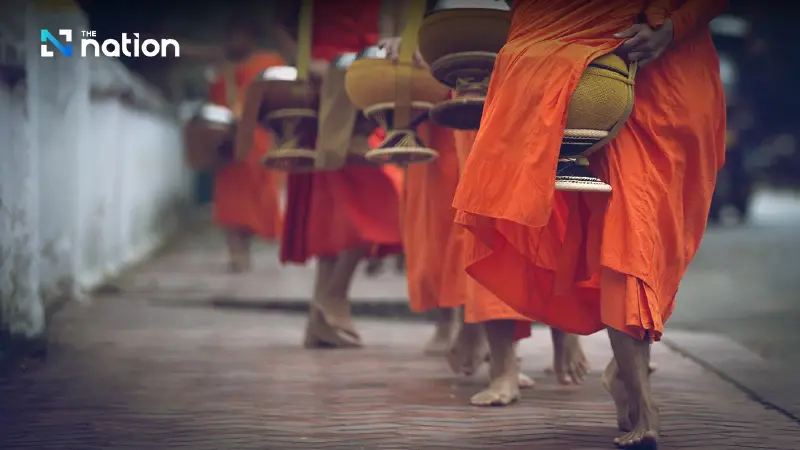


Scandals, lavish lifestyles, and lack of transparency are eroding public trust in Thailand’s monkhood. Reform and community engagement seen as key to restoring faith.
In recent years, Thailand has witnessed a growing crisis of faith in the Buddhist monkhood. Once seen as moral anchors and spiritual sanctuaries, monks are increasingly viewed with scepticism as public trust in the saffron robes visibly wanes. What lies behind this erosion of confidence—and how can it be restored?
When monks fail to meet expectations
A number of persistent issues have contributed to this crisis, including:
Scandals and misconduct: Widespread reports of corruption, embezzlement of temple funds, drug abuse, sexual misconduct, and exaggerated supernatural claims have deeply shaken public trust. Physical altercations between monks have further undermined their image as spiritual exemplars.
Lack of financial transparency: Temples receive vast donations, yet many lack clear governance or publicly accessible financial records. This opacity raises concerns about mismanagement and misuse of funds.
Displays of wealth and inequality: The image of monks living in luxury, using designer goods or amassing personal wealth, runs counter to the Buddhist principles of simplicity and contentment, leaving the public disillusioned.
Changing social roles: Monks were once at the heart of Thai communities, offering guidance and support. Today, many are perceived as distant from the realities of everyday life, focusing instead on rituals and revenue generation.
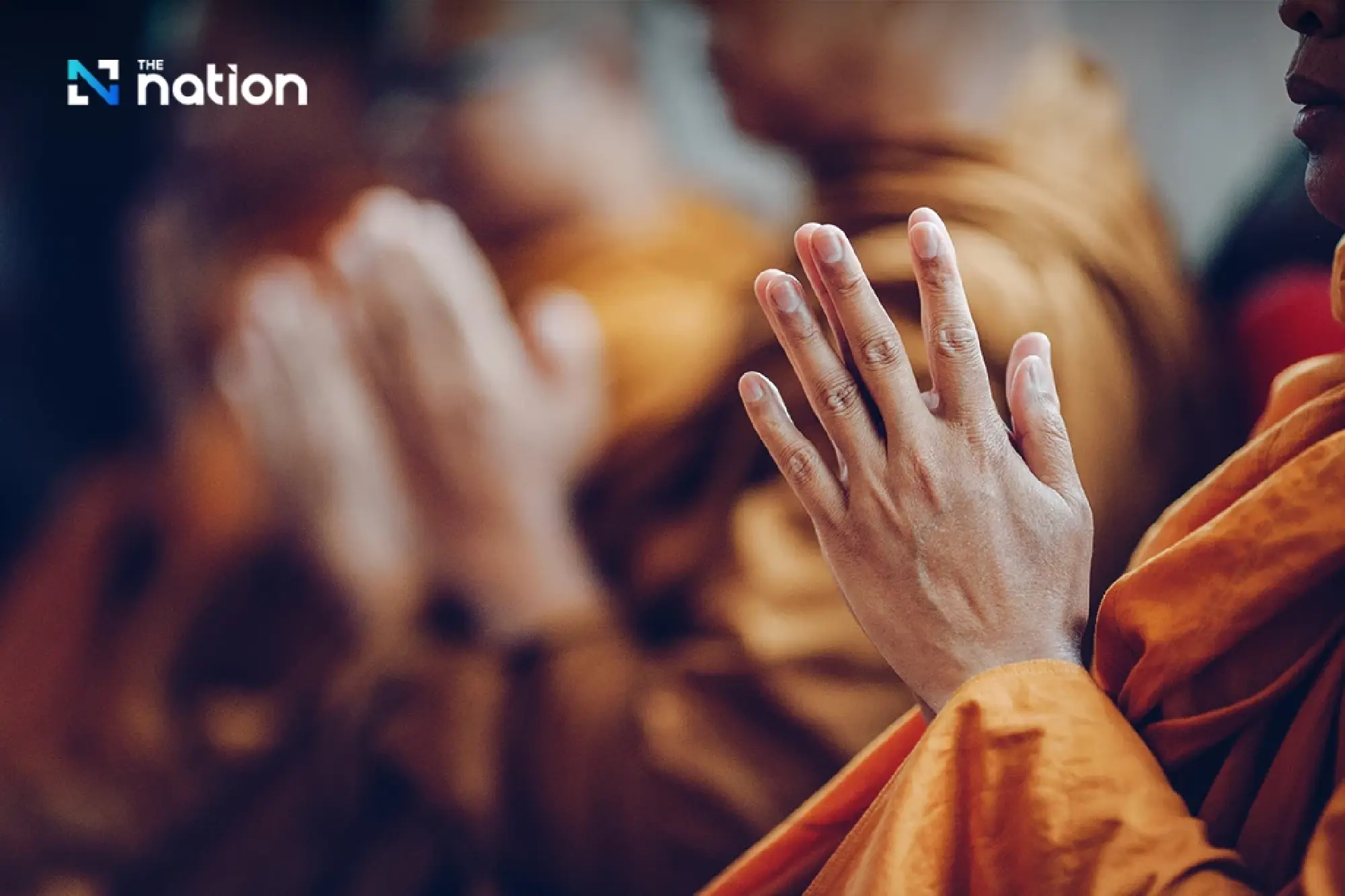

Consequences of lost faith
As confidence in the monkhood declines, the impacts are wide-reaching:
Declining donations: With trust eroding, many temples face funding challenges due to falling donations—their primary income source.
Youth disengagement: Younger generations, growing up in an era of information and critique, are increasingly questioning the role of religion. Without positive role models, many are drifting away from Buddhism.
Damage to Buddhism’s image: The misconduct of a few undermines the reputation of the religion as a whole, despite the many monks who continue to uphold moral discipline and serve communities.
Social divisions: Controversies involving monks often spark polarised public debates, fuelling division and weakening social unity.
Rebuilding faith: A path forward
While restoring public confidence will not be easy, it is possible with genuine effort and collaboration:
Genuine monastic reform: Regulatory bodies must take proactive and fair action against monks who violate discipline, ensuring accountability without cover-ups.
Transparency and governance: Temples should adopt standard accounting practices and open financial reporting to regain public trust in how donations are managed.
Focus on Buddhist principles: Encourage monks to embody the true spirit of Buddhism through humility, simplicity, and ethical conduct, reinforcing the core teachings of the faith.
Strengthen social engagement: Temples should resume their role as active community centres, supporting education, social development, and practical problem-solving beyond ritual functions.
Public participation: Create channels for laypeople to engage with, monitor, and support reform efforts, ensuring a more inclusive and responsive monastic institution.
This crisis of faith serves as a stark warning that the monkhood must evolve in order to remain relevant and truly serve society. Restoring confidence in the monkhood is not the sole duty of the clergy—it requires shared responsibility from monks, laypeople, and relevant authorities to ensure Buddhism remains a strong moral foundation in Thai society.
