
Energy Ministry proposes ASEAN power and petroleum security agreements ahead of ministerial meeting
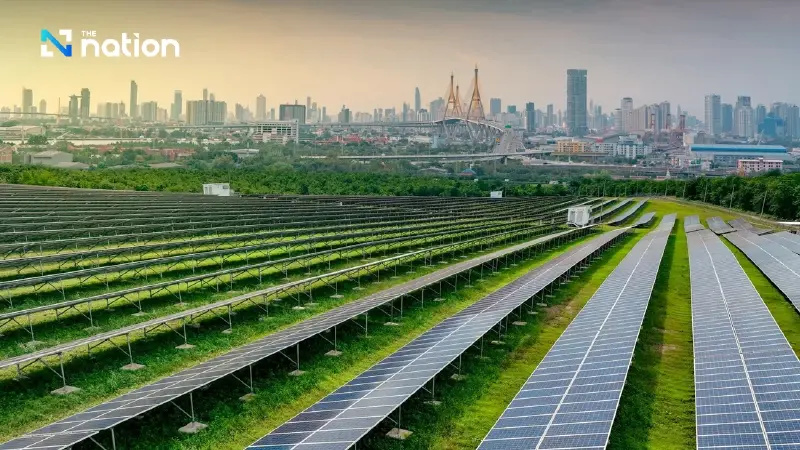


Thailand’s Energy Ministry submits two key agreements on electricity and petroleum security for ASEAN ahead of the 43rd AMEM in Malaysia.
Energy Minister Auttapol Rerkpiboon revealed on Tuesday that the Ministry of Energy has submitted two major proposals to the Cabinet for consideration, ahead of the 43rd ASEAN Ministers on Energy Meeting (AMEM), scheduled from October 14-17, 2025 in Kuala Lumpur, Malaysia. The agreements are intended to be signed by energy ministers from the 10 ASEAN member states.

The first proposal is an enhanced Memorandum of Understanding on the ASEAN Power Grid, which will come into effect once all member states have ratified it. The MoU focuses on expanding regional electricity connectivity, both onshore and offshore, through the development of policies and markets while promoting clean energy technology and utilisation in accordance with each member state’s laws. ASEAN will also jointly study, assess, and review policies, legislation, and plans to develop cross-border power grid projects, coordinating activities and securing funding, investment, and technical support to achieve the objectives.
The second proposal is a draft ASEAN Framework Agreement on Petroleum Security, which will establish a mechanism to assist member countries facing petroleum shortages during energy crises or emergency situations. Assistance will involve the voluntary supply and sharing of petroleum to affected countries, and ASEAN members will develop and implement measures for short-, medium-, and long-term energy security to mitigate risks and impacts during emergencies.

Auttapol emphasised that energy security is a critical priority. Cooperation with ASEAN member states is a continuous focus for the Ministry, and these two agreements are key mechanisms for sharing oil, natural gas, and electricity, promoting investment, and generating revenue from cross-border electricity trade. They also support the development of a clean energy market in Thailand, attracting investors who prioritise sustainable energy for their operations.
