
Bang Rakam model recognised by FAO for sustainable community water management
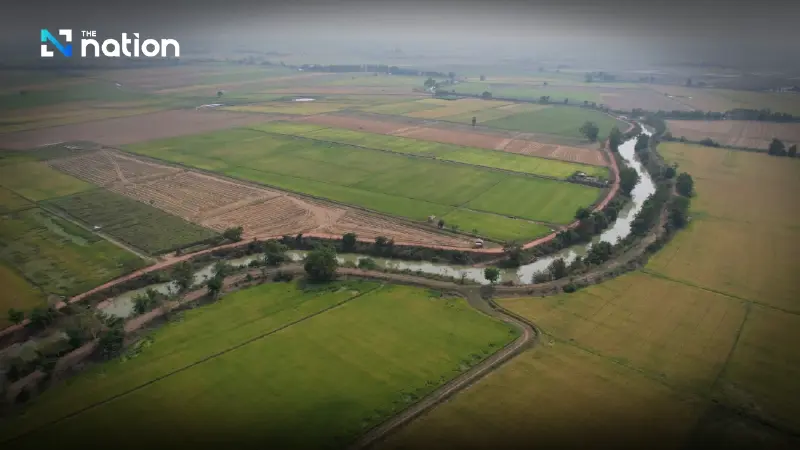


Thailand’s Bang Rakam model earns global recognition from FAO for its participatory approach to flood prevention and sustainable water management, benefiting farmers and communities.
The “Bang Rakam Model: Participatory Community Flood Prevention and Mitigation” project, implemented by the Royal Irrigation Department’s Office 3, has received top honours from the Food and Agriculture Organization of the United Nations (FAO), being selected as one of the world’s most impactful solutions in sustainable water management in celebration of FAO’s 80th anniversary.

Now in its ninth year, the Bang Rakam model has integrated participatory water management strategies, adjusting the planting calendar for wet-season rice in the lowland irrigation areas between the Yom and Nan rivers. Covering two provinces and five districts—Phrom Phiram, Bang Rakam, Mueang, Wat Bot in Phitsanulok, and Kong Krailat in Sukhothai—planting now begins in April instead of May. This allows farmers to harvest before the peak flood season, reducing the risk of damage to rice yields and helping mitigate flooding in upper areas as well as the lower Chao Phraya basin.
During this period, farmers also benefit from flood retention areas, generating additional income through fisheries and storing water for agricultural and domestic use in the following year.

The Bang Rakam model exemplifies highly effective participatory water management, reducing economic losses from seasonal floods, providing year-round income for farmers, and minimising impacts on local communities in line with government and Ministry of Agriculture and Cooperatives policies.
Its success not only highlights the capability of Thai communities to manage water sustainably but also demonstrates that community participation is central to development, offering a model that can be replicated globally.
