
Heavy rains raise Chao Phraya levels, RID warns low-lying areas to stay alert
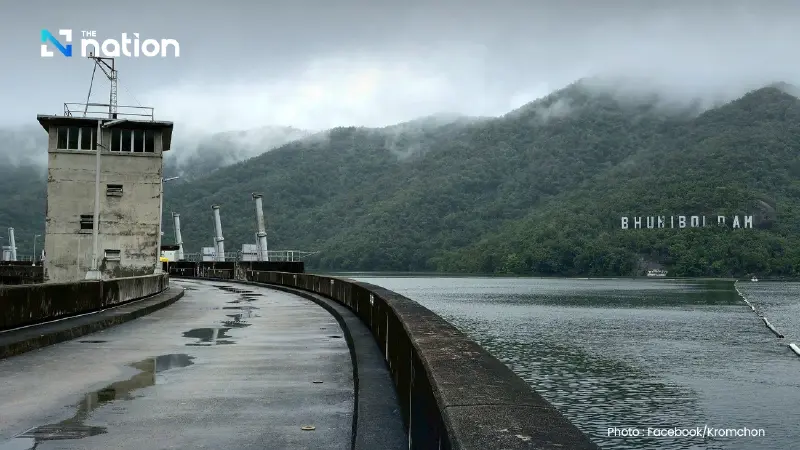


The Royal Irrigation Department warns of rising Chao Phraya River levels after heavy rains, urging low-lying communities to stay vigilant and follow updates.
The Smart Water Operation Centre (SWOC) under the Royal Irrigation Department (RID) reported on Wednesday that continuous heavy rainfall from November 2-4 across the Ping, Yom, and Nan River basins has significantly increased water inflows into main rivers and reservoirs, raising the Chao Phraya River levels once again.
The RID has outlined a two-part water management plan to cope with northern runoff:
1. Upstream management — water retention at major dams
The Bhumibol Dam (Tak) and Sirikit Dam (Uttaradit), in coordination with the Electricity Generating Authority of Thailand (EGAT), are retaining as much water as possible to reduce downstream flows into the Chao Phraya Basin.
However, despite these measures, water levels at Station C.2 in Nakhon Sawan continue to rise due to downstream rainfall and additional inflows from the Yom and Sakae Krang rivers (Uthai Thani).
2. Chao Phraya Dam management — intake and discharge control
The RID will maximise water diversion into irrigation canals on both sides of the river to reduce the flow through the dam.
Based on current forecasts, excess water will need to be released downstream of the Chao Phraya Dam at an estimated rate of 2,700 cubic metres per second.

The RID has urged residents in low-lying areas outside the existing flood barriers — particularly those affected during this year’s rainy season — to monitor the situation closely. Areas at risk include:
- Ayutthaya: along the Noi River, Khlong Phong Pheng, and Khlong Bang Ban
- Sing Buri: In Buri and Phrom Buri districts
- Ang Thong: Pa Mok and Chaiyo districts
- Chai Nat: Sapphaya district
The RID, in collaboration with EGAT and other relevant agencies, continues to monitor and assess water conditions 24 hours a day, with additional measures including:
- Diverting water into irrigation canals to the fullest capacity
- Installing water pumps and pushers to accelerate drainage into the Gulf of Thailand as quickly as possible to minimise impacts on local communities
For updates and real-time water information, the public can visit wmsc.rid.go.th.
