
Food upcycling trend boosts restaurant profits by 4%, Thai market expected to hit 15.9 billion baht by 2035
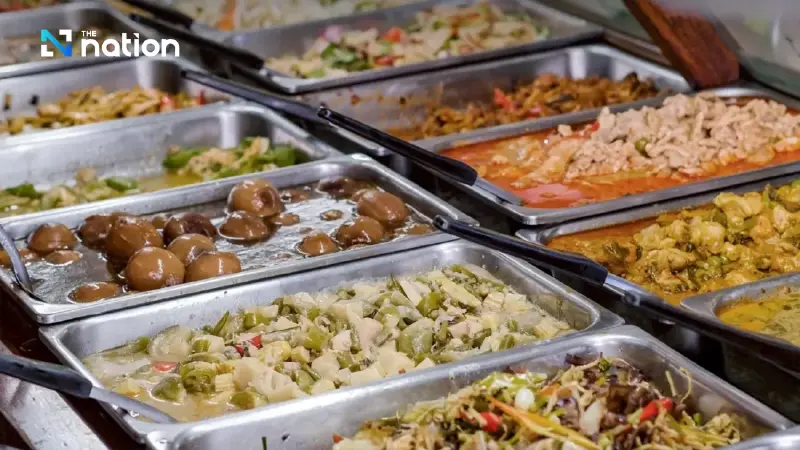


Thai restaurants are turning leftovers into new dishes, with food upcycling projected to boost profits and grow into a 15.9-billion-baht market by 2035.
“Gaeng Ho,” a traditional northern Thai dish made from combining leftover curries after religious offerings and turning them into a new meal priced at 120-200 baht per plate, is an example of how the food upcycling business model is reshaping Thailand’s restaurant industry. The concept focuses on reusing surplus ingredients and adding value by transforming what would otherwise be discarded into new, marketable products that enhance both profitability and sustainability.
According to Kasikorn Research Centre, Thailand’s food upcycling market is projected to grow by 6.5% annually (CAGR) between 2025 and 2035, reaching 15.9 billion baht by 2035 — outpacing the global average of 5.2%. The stronger growth potential is attributed to Thailand’s emerging market conditions, compared to mature markets such as the US and Europe.
Food upcycling could increase restaurants’ gross profit margins by around 4%, from 31.8% to 35.8%, by cutting waste-related costs and generating additional revenue from new upcycled products. However, operators must weigh the cost-effectiveness of developing such products, as innovation and processing carry their own expenses. Businesses should focus on both reducing waste and investing in value creation.
Key factors driving Thailand’s food upcycling market:
- Abundant food waste with reuse potential – Each Thai citizen generates an average of 86 kilograms of food waste annually, the second highest in ASEAN after Laos and above the global average. More than 40% of this waste remains edible, representing a large opportunity for food upcycling.
- International certification standards – The Upcycled Certified™ mark by the Upcycled Food Association (UFA) ensures that products made from surplus food are hygienically processed and safe to consume, helping consumers trust that they are eating quality ingredients saved from waste — not spoiled food.
- Changing consumer attitudes – A PwC Thailand Voice of the Consumer 2024 survey found that 58% of Thai consumers now choose sustainable products and are willing to pay an average of 11.7% more for eco-friendly goods, reflecting growing acceptance of waste-reduction concepts in daily consumption.
