
Panel studying MOU 43–44 needs more time as no consensus reached
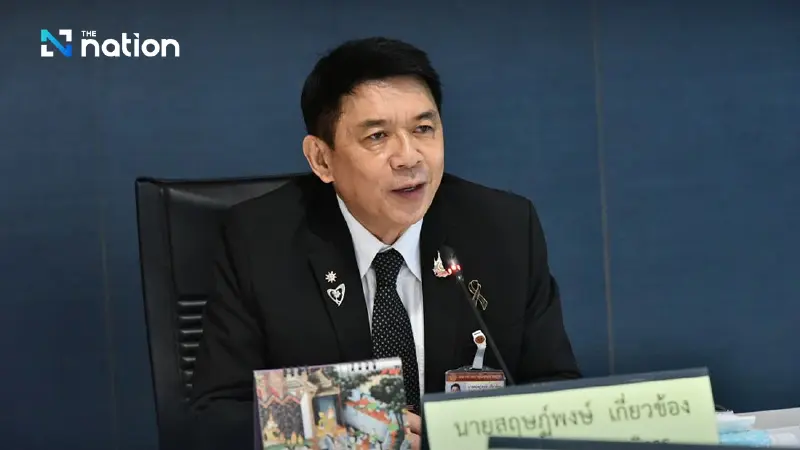


MOU Committee seeks 30-day extension for review as no consensus yet on whether to revoke 2000–2001 Thai–Cambodian agreements
At Parliament on November 19, 2025, Saritpong Kiewkhong, Bhumjaithai MP for Krabi and chair of the House ad-hoc committee studying the 2000 and 2001 Memorandum of Understanding (MOU 43 and MOU 44) between Thailand and Cambodia, said the panel will request a 30-day extension to complete its report, as the deadline of December 3 cannot be met.
He said the committee needs more time to gather documents and verify information from all sides. A working group, chaired by Nikorn Chamnong of the Chartthaipattana Party, has been set up to collect evidence and conduct fact-finding.
Saritpong said the committee has evaluated all scenarios, including renewed tensions along the Thai–Cambodian border, but stressed that the power to revoke or uphold the MOUs rests solely with the government, not the committee.
“There are differing views among civil servants, former officials and the public. It is not about who is right or wrong, but about different bases of information, beliefs and interpretations,” he said.
On whether revoking MOU 43 and MOU 44 would benefit or disadvantage Thailand, he said opinions are split:
- Those opposing revocation argue it would harm Thailand’s legal standing and weaken its position.
- Those supporting revocation argue Cambodia has breached the agreements, making this an opportunity for Thailand to withdraw.
He added that key unresolved issues include the interpretation of the borderline along cliff edges versus watershed lines and disputed ridge areas where Cambodia is said to have encroached.
Asked about the government’s plan to hold public debates on MOU 43 and MOU 44, Saritpong said he welcomed the initiative, especially for residents in the seven border provinces, adding that experts with differing views should be invited to educate the public.
He dismissed concerns that public debates might disadvantage Thailand vis-à-vis Cambodia:
“Advantages and disadvantages depend on legal principles. The benefit for us is that people will become more informed. This is democracy — public participation is important.”
He also supported the idea of a national referendum, saying past agreements lacked public involvement, and the current government should allow people to participate in key decisions.
Saritpong urged the public not to let disagreements become political weapons:
“We must prioritise the national interest. Differences in factual interpretation should not be used to claim victory. Otherwise, Cambodia could use such divisions to its advantage on the international stage.”
He emphasised that Cambodia’s actions at the border must be documented carefully:
“This evidence will be crucial and beneficial to Thailand when the time comes.”
