
Anaesthetic drug found in illicit e-cigarettes, as labs detect rising mix of harmful substances
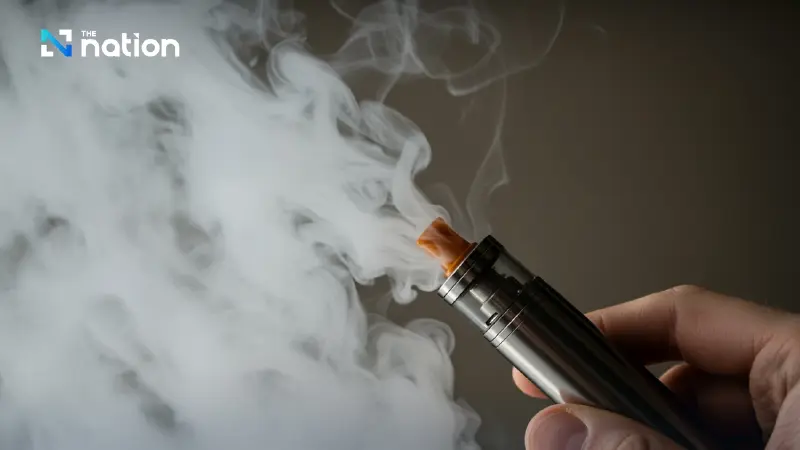


Thailand’s medical sciences department finds anaesthetic etomidate in fake e-cigarettes, warning of rising illicit drug mixing that harms the brain and breathing.
The Department of Medical Sciences has warned of a growing trend of illicit drug mixing in e-cigarettes after laboratory tests detected the powerful anaesthetic etomidate in dozens of samples, raising serious concerns about neurological and respiratory risks.

Dr Sarawut Boonsuk, Director-General of the department, said e-cigarettes are increasingly being adulterated with a range of narcotics, posing severe health risks. Substances detected internationally include cocaine, which affects the brain, and fentanyl, which can suppress breathing to fatal levels.
In Thailand, authorities are now seeing disposable e-cigarettes—known as “pod K” or “zombie vapes”—containing new psychoactive substances (NPS) instead of nicotine. These chemicals can damage the nervous system, mental health and vital organs. Dr Sarawut urged the public, particularly children and teenagers, to avoid all forms of e-cigarettes.

Between October 2024 and June 2025, the department’s Bureau of Drug and Narcotic analysed 83 e-cigarette samples, including disposable devices, refill pods and bottled vape liquids supplied by the Disease Control Department, FDA, Royal Thai Police and DSI.
Of the 27 samples with clear labelling, only nicotine was detected. But among the 56 unlabelled or counterfeit-looking products, etomidate contamination was found—either mixed with nicotine or used as a complete replacement.

Etomidate is a fast-acting anaesthetic intended strictly for hospital use under medical supervision. Its illicit use in vape liquids has surged across Asia and was first detected in Thailand in late 2024. Initially classified as a special-controlled medicine, etomidate was upgraded to a Category 2 psychotropic substance on 27 July 2025 to tighten controls on importation, possession and use.
The Bureau of Drug and Narcotic, acting as Thailand’s national reference laboratory for drug analysis, continues to monitor emerging drug trends and develop more advanced testing methods to keep pace with increasingly complex illicit substances.
In 2025, the department successfully developed a detection method for etomidate in vape liquids and has now transferred the technology to medical science centres nationwide. The validated results will serve as key legal evidence confirming that the detected compound is a controlled narcotic under Thai law, supporting criminal proceedings against offenders.
