
Global coffee prices tumble as Trump scraps US import tariffs on Brazilian coffee
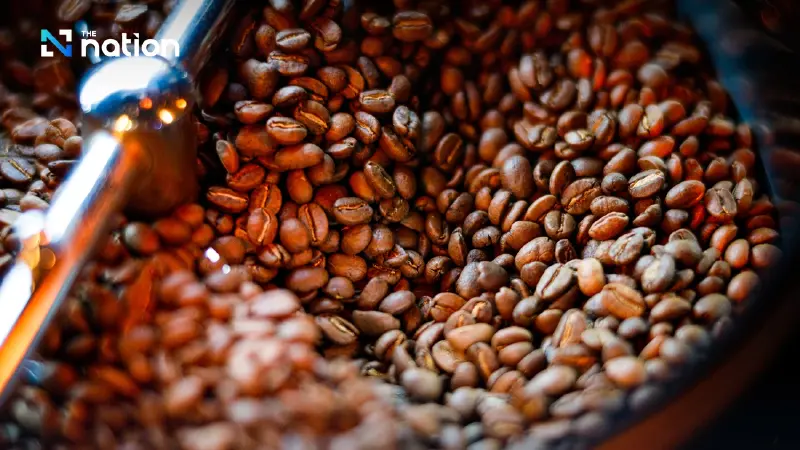


Arabica and robusta prices fell up to 5% after the US scrapped import tariffs on Brazilian coffee and cocoa, with traders warning prices may drop further

Global coffee prices fell sharply on Friday after US President Donald Trump announced the removal of a 40% import tariff on agricultural products from Brazil — including coffee and cocoa — amid rising concern over soaring food prices in the United States.
Reuters reported that global coffee futures dropped steeply on November 21, as traders responded to the tariff rollback and a growing political backlash over high living costs, which have pushed Trump’s approval ratings to their lowest levels since returning to office earlier this year.
Arabica coffee futures on the ICE exchange — the global benchmark — plunged more than 6% to a two-month low during intraday trading. By around 17.17 Thailand time, prices had pared losses but were still down 4.6% at US$3.5925 per pound.
Robusta futures, widely used in instant coffee, fell as much as 8% during the session before settling about 5% lower at US$4,400 per tonne in the evening.
Coffee inflation pressures US consumers
Retail coffee prices in the United States jumped 40% year-on-year in September, partly due to the existing tariffs. More expensive food has become a key factor dragging down Trump’s popularity, according to a recent Reuters/Ipsos poll.
Last week, Trump issued a similar directive to cut import tariffs on coffee and other agricultural goods from multiple producing countries in an attempt to ease domestic inflationary pressure.
Brazil — the world’s largest coffee producer — accounts for roughly one-third of US coffee imports. The United States is the world’s largest consumer of coffee.
Traders expect further decline but see a floor above US$3
“We need the market to rebalance this information, and prices may fall further,” a trader at a major European coffee firm told Reuters. “But I don’t think they will fall below US$3 per pound. To be honest, I’m happy to buy at any price the market drops to because of this news.”
The trader added that arabica supplies remain tight, with exchange-certified stocks and industry inventories still low, forcing roasters to continue buying. Weather risks linked to La Niña could further affect production later in the season.
Source: Reuters
