
Trump reduces import tariffs on coffee, bananas, beef to lower prices
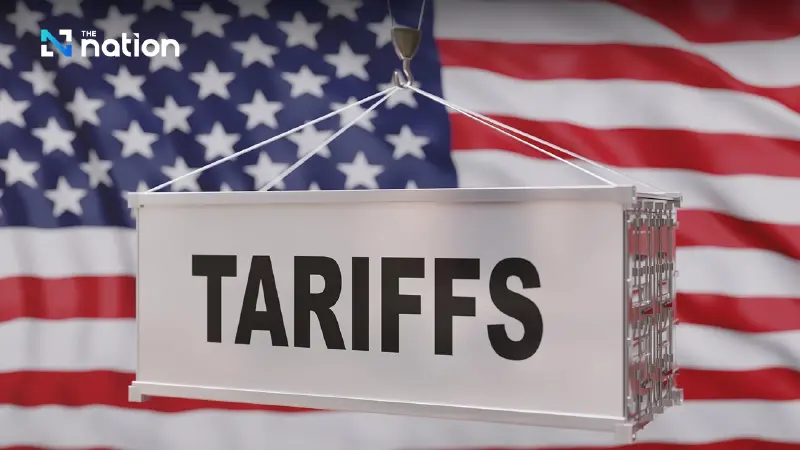


President Donald Trump has reduced import tariffs on key goods, such as coffee, bananas, and beef, in a bid to combat inflation from high consumer goods prices caused by his own previous high tariff policies
CNBC reported that President Trump announced the exemption of certain agricultural products, including coffee, cocoa, bananas, and some beef products, from high tariff rates.
This move comes as Trump faces political pressure due to rising food prices. Beef, coffee, chocolate, and some other food distributors had raised prices after Trump's tariff policy came into effect earlier this year, contributing to increased household expenses amid inflation, which has hit its highest level in decades.
The tariff exemptions also apply to several fruits, including tomatoes, avocados, coconuts, oranges, and pineapples. Additionally, coffee, green and black tea, and spices like cinnamon and nutmeg are also benefiting from the tariff reductions.
This shift marks a change in Trump's stance, who had previously maintained that high tariffs were necessary to protect U.S. businesses and workers. He had claimed that U.S. consumers would not bear the cost of these tariffs in the end.
The tariff exemptions came just one day after Trump reached a trade framework agreement with four Latin American countries, including Argentina, Guatemala, El Salvador, and Ecuador. This agreement included a 10% tariff on most goods from Argentina, Guatemala, and El Salvador, and 15% on Ecuador. It also cancelled tariffs on products that the U.S. cannot produce or grow enough of, such as bananas and coffee.
American families bearing the cost of Trump’s tariffs
Rising food prices have burdened U.S. households for years. The Consumer Price Index (CPI) data shows that food prices for household consumption increased by 2.7% compared to the previous year in September, while the latest figures have been delayed due to the government shutdown.
The tariff exemptions are aimed at controlling the rise in prices for everyday consumer goods. However, experts warn that other factors, such as global supply shortages, also contribute to rising prices, particularly for coffee and beef.
Industry reactions to tariff impact on beef, coffee, and cocoa prices
- Beef: The exemption from tariffs on beef follows months of rising prices, partly related to Trump’s tariff policies. Last year, the U.S. imposed high tariffs on major suppliers like Brazil, Australia, New Zealand, and Uruguay. Brazil, the world’s second-largest beef exporter, faced a real tariff rate of up to 75%, reducing imports into the U.S. Meanwhile, livestock numbers in the U.S. have dropped to their lowest in nearly 75 years, with ranchers struggling to maintain herds amidst drought, rising feed costs, and tariffs on fertilizers, steel, and aluminum, making equipment and repairs more expensive.
The shortage of supplies has driven up prices at food retailers, with raw beef increasing by 12% to 18% in September, according to the latest CPI report.
Industry leaders have told CNBC that the policy changes, from tariff adjustments to Argentina’s recent beef import quota expansion, are holding back long-term investment, tightening supply, and keeping consumer confidence fragile.
- Coffee: Coffee prices surged to $8.41 per pound in July, the highest on record, up 33% from the previous year, according to the Bureau of Labor Statistics.
Trump’s 50% tariff on Brazilian coffee — which accounts for about a third of U.S. coffee imports — pushed costs in the coffee supply chain higher for roasters and retailers. Other large exporters like Vietnam, Colombia, and Mexico also faced tariffs. Coffee roasters and cafés have stated they have no way to avoid these tariffs, as the U.S. does not produce the coffee it consumes. Consequently, importers face higher costs regardless of the source.
The CPI data for September showed a nearly 21% rise in coffee prices in August, marking the highest jump since the 1990s.
Retailers warn that the impact could widen if tariffs continue. The Tax Foundation estimated in August that 74% of U.S. food imports are subject to tariffs, affecting items like tea, spices, and other products without domestic supply chains, similar to coffee.
Many products with little to no domestic production in the U.S. are included in the list of items for which Trump exempted higher tariffs on Friday. Global coffee prices are stabilising near the highest levels seen in the past 50 years, a record set in February.
- Cocoa: Cocoa also faces similar price pressures. Although there has been heavy profit-taking this fall, commodity futures for cocoa remain double the pre-pandemic level, trading at around $5,300. This follows tariffs and the failure of crops due to weather conditions in Ivory Coast and Ghana.
In October, executives from Hershey’s stated they anticipated customs tariff costs for the year to be between 160–170 million USD, in addition to record-high cocoa bean costs, which have driven retail chocolate prices up nearly 30% from the previous year ahead of Halloween, according to data from research firm Circana.
