
Southern Floods: PM Orders 7 Emergency Measures, 24-Hour Monitoring
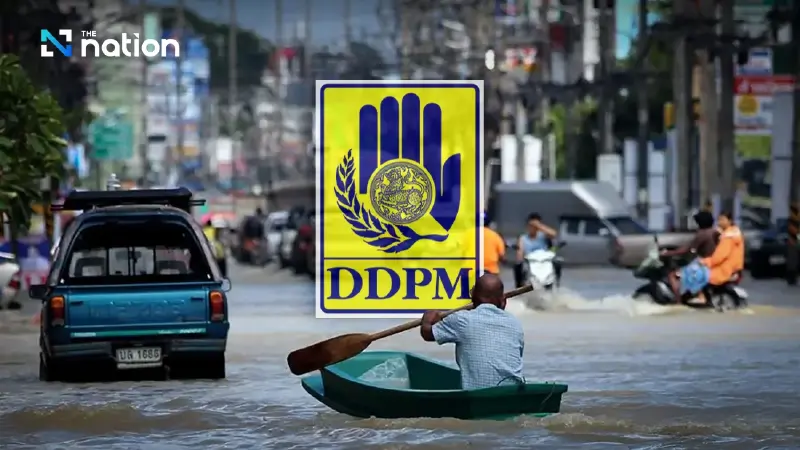


Following a visit to Hat Yai, the Director-General of the DDPM mandates rapid evacuation, Cell Broadcast warnings, and expedited compensation for Southern flood victims
- Following a visit to the flood-hit South, the Prime Minister has ordered seven urgent measures to be implemented by the Department of Disaster Prevention and Mitigation (DDPM).
- A key directive is the establishment of 24-hour surveillance of rainfall and water levels to facilitate real-time risk assessment and timely warnings.
- The measures prioritize rapid evacuation of residents, issuing hazard alerts via the Cell Broadcast system, and deploying rescue teams and machinery.
- Support for victims includes providing temporary shelters with food and water, and expediting the process for financial relief and compensation.
Following a visit to Hat Yai, the Director-General of the DDPM mandates rapid evacuation, Cell Broadcast warnings, and expedited compensation for Southern flood victims.
Thailand's Department of Disaster Prevention and Mitigation (DDPM) has issued seven urgent measures to tackle the ongoing Southern Thailand floods, following an inspection tour of the affected areas by Prime Minister Anutin Charnvirakul.
Teerapat Kachamat, director-general of the DDPM, confirmed on Sunday that he has instructed all operational units in the South to provide immediate and comprehensive assistance to citizens impacted by the flooding, particularly in Songkhla Province.
Following his visit with the Prime Minister and Minister of Interior to Hat Yai on Sunday, the Director-General emphasised the need for staff to maintain 24-hour situational monitoring and ensure the speediest possible evacuation of residents.
All personnel and disaster mitigation machinery from various DDPM Regional Centres have been fully mobilised to the South to facilitate a swift and timely response.
The 7 Urgent Directives
The seven key points, which align directly with the Prime Minister's policy to ensure maximum care for all victims, are:
1) 24-Hour Surveillance: Staff must maintain continuous, round-the-clock monitoring of rainfall, water levels, and weather. They must coordinate real-time risk data with the central command to ensure prompt and accurate warnings.
2) Cell Broadcast Warnings: Accelerate the issuance of hazard alerts using the Cell Broadcast system across all risk areas, providing the public with crucial advance notice to prepare and minimise losses.
3) Rapid Evacuation & Rescue: Deploy operational vehicles for relocating victims, along with boats, life jackets, and rapid rescue teams. Priority must be given to accessing difficult areas and providing medical assistance to vulnerable groups, including the elderly, young children, pregnant women, and bedridden patients.
4) Shelter Support: Ensure temporary shelters are fully prepared. Deploy mobile kitchen vehicles and mobile water purification units to provide food and drinking water to victims in the centres.
5) Machinery Management: Efficiently distribute essential disaster mitigation machinery to areas at risk and provide support to provinces based on their requests to ensure the most rapid and effective assistance.
6) Communication: Continuously update the public on the evolving situation through all available channels. Promote the 24-hour Disaster Hotline 1784.
7) Expedited Compensation: Coordinate with provincial authorities to process relief and compensation for victims swiftly, flexibly, and transparently, adhering strictly to Ministry of Finance regulations and Cabinet resolutions.
The DDPM Director-General confirmed that the department will maintain close watch and continue supporting affected citizens until the situation across the South returns to normal.
Requesting Assistance: Citizens impacted by the disaster or requiring assistance can contact the Disaster Hotline 1784, 24 hours a day.
