
Flashback: Hat Yai floods — a major disaster and a new challenge ahead
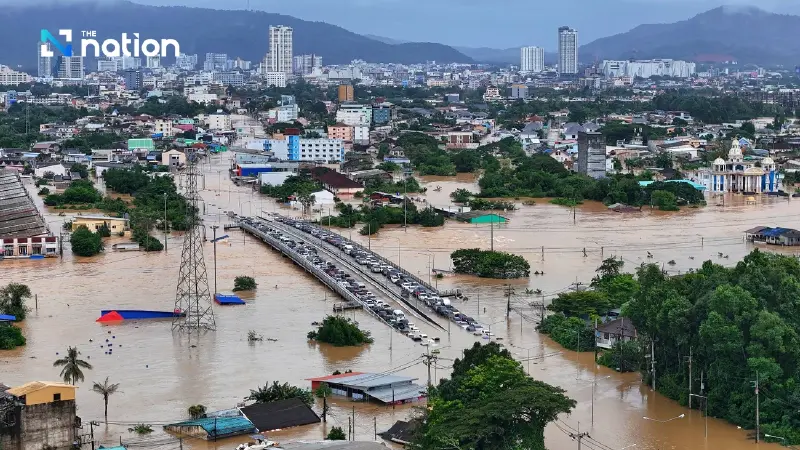


The 2025 flood crisis in Hat Yai overwhelmed flood control systems, with 630 mm of rain in just 72 hours. Over 243,000 people are affected, with damages exceeding 500 million baht
- Hat Yai has faced repeated severe flooding, particularly in November, with major flood events in 1988, 2000, and 2010, causing extensive damage.
- Following the 2010 flood, flood drainage infrastructure, such as Khlong Phuminat Damri, was developed, which successfully mitigated large floods for nearly a decade (2015–2021).
- The 2025 flood is seen as a "turning point," as record rainfall overwhelmed the existing flood control systems.
- Increasingly extreme weather events show that Hat Yai’s current flood management structures are inadequate, requiring reevaluation and development of new systems to cope with future disasters.

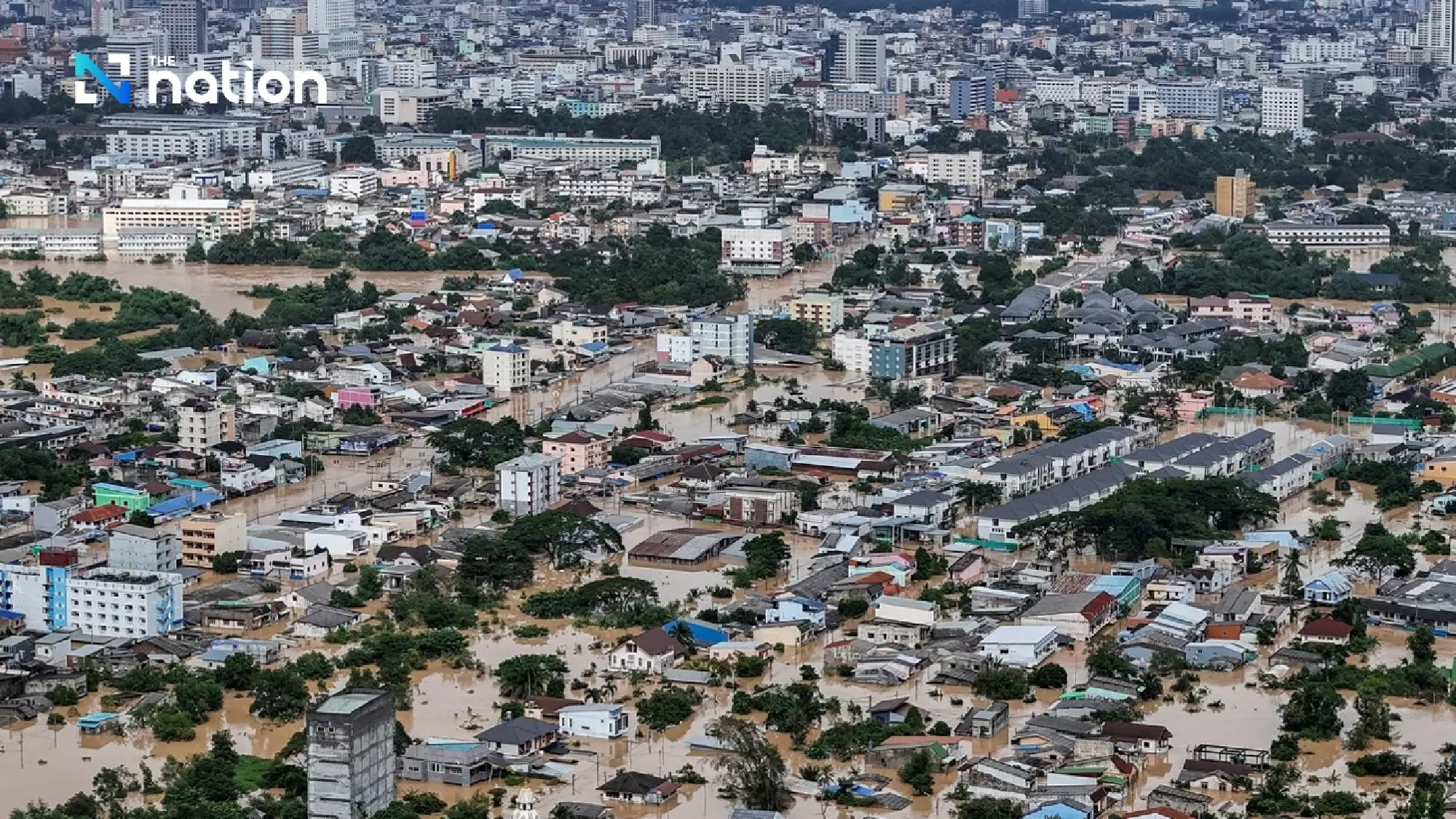
Hat Yai has long struggled with recurring severe flooding, especially in November. The flood events in 1988, 2000, and 2010 created massive damage to the city. Looking at the flood statistics and the effects of past large-scale floods until the 2025 flood, it’s clear the city now faces a new challenge with extreme weather patterns.

Historic major floods (1988–2010)
Hat Yai has endured several major flood events, with the following historical figures recorded by the Department of Disaster Prevention and Mitigation:
- 1988: The first major modern flood in Hat Yai, with an estimated total damage of 4 billion baht.
- 2000: One of the most severe floods in Hat Yai’s history. With 497 mm of accumulated rainfall, over 320 km² of land flooded, 30 lives lost, and damages exceeding 18 billion baht.
- 2010: The flood tested the city’s water management systems again, with 428 mm of rainfall. Over 80% of the city flooded, affecting approximately 30,000 households. The damages were estimated at 10 billion baht.
Stabilisation period and infrastructure development (2015–2021)
After the 2010 flood, Hat Yai undertook systematic development of water management infrastructure, particularly the Khlong Phuminat Damri project, which has a maximum capacity of 1,200 cubic metres per second for floodwater diversion.
These systems worked together to prevent major floods from 2015 to 2021, with only localised flooding that cleared within hours. This stable period lasted for nearly a decade, offering a glimpse of hope.

Warning signs and turning point in 2025
Despite the long period of stability, the intensity of rainfall has increased in recent years.
- 2022 Warning Sign: In December 2022, Hat Yai recorded 401.5 mm of rain within 24 hours, causing flash floods in multiple areas, with 11,616 households affected in Songkhla.
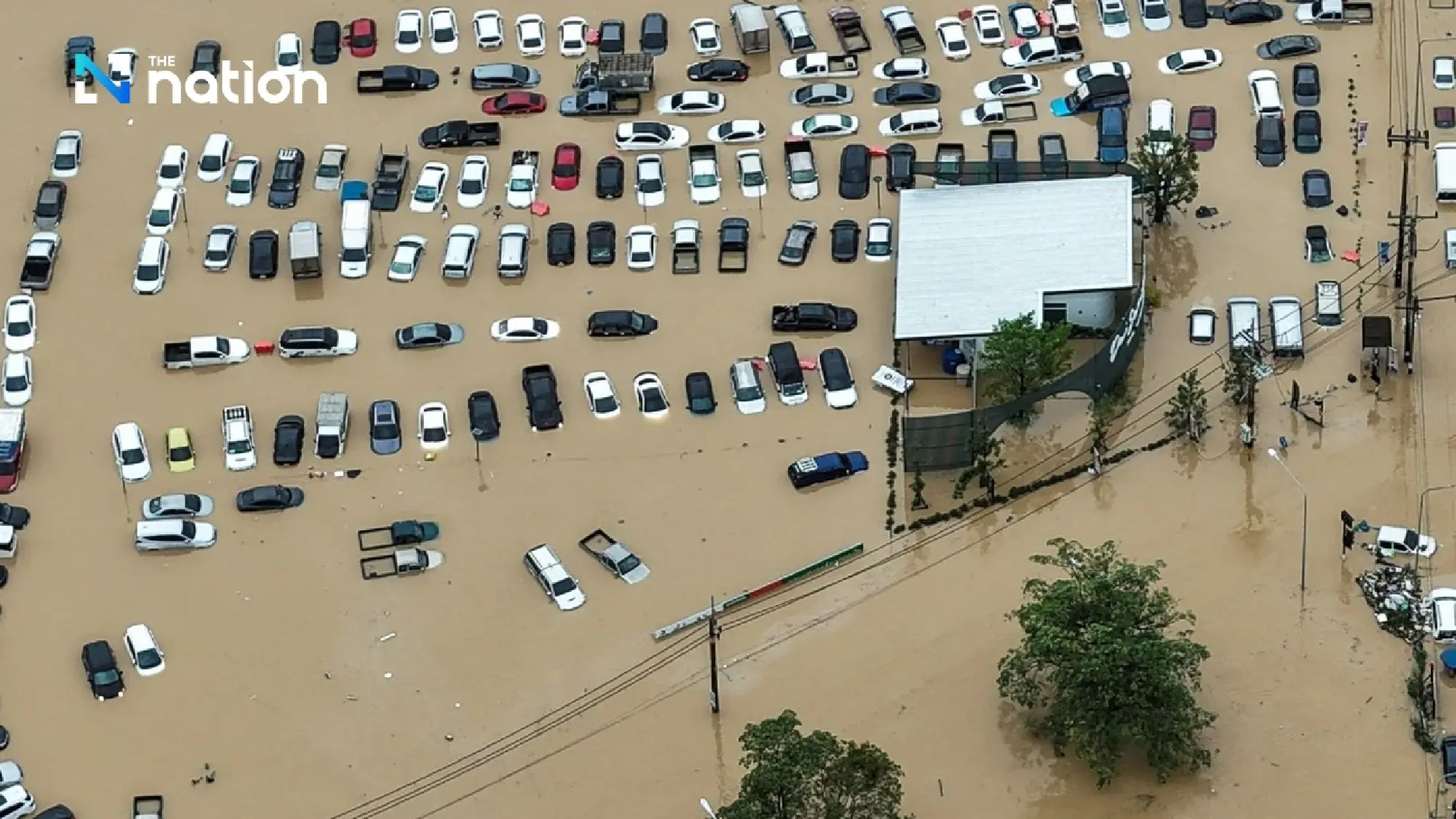
- 2025 flood — a turning point: Between November 19–21, 2025, the city received a record 630 mm of rainfall over just 72 hours, with 335 mm falling in one day (November 21). This surpassed the capacity of Khlong U-Taphao and Khlong Phuminat Damri, leading to flooding at levels considered a "turning point" by experts.
The water flow during this flood was aligned with previous research indicating that Hat Yai received water from three directions: from Khlong Tam and Khlong Waat in the east in the morning, from the higher areas of Nammom and Koh Hong in the afternoon, and finally, large volumes from Khlong U-Taphao in the evening. This simultaneous influx caused water levels to rise rapidly in the city.
Impact of the 2025 flood: higher rainfall than 2000, causing severe damage
The 2025 flood is comparable to the 2000 flood, but with higher water volumes, resulting in 243,778 people in Hat Yai being affected, or approximately 104,917 households. Initial damages are estimated to exceed 500 million baht.
Post-2025 assessments show that the rainfall volume during the flood exceeded the design capacity of several flood diversion channels. The current system, including both Khlong U-Taphao and Khlong Phuminat Damri, was overwhelmed by receiving water from three tributary basins simultaneously. Additionally, the urban expansion of Hat Yai over the past decade has reduced the natural floodwater retention areas.
Over the last decade (2015–2025), Hat Yai experienced a period of stability. However, the rainfall data from 2022 and 2025 clearly indicates that the intensity of storms and rainfall is on the rise, particularly during the late rainy season. Data from water management and disaster management agencies show that the existing flood control systems are now overburdened and inadequate.
As a result, Hat Yai needs to reassess its flood management infrastructure to accommodate the increasingly extreme weather conditions. This includes revisiting the floodwater retention areas, tunnel diversion systems, and restoring previously reduced drainage pathways as part of the city’s broader climate adaptation plan.
Source: Department of Disaster Prevention and Mitigation (DDPM), Public Relations Office Region 6
