
Govt applies COVID model to manage southern floods, aiding 2.7 million people
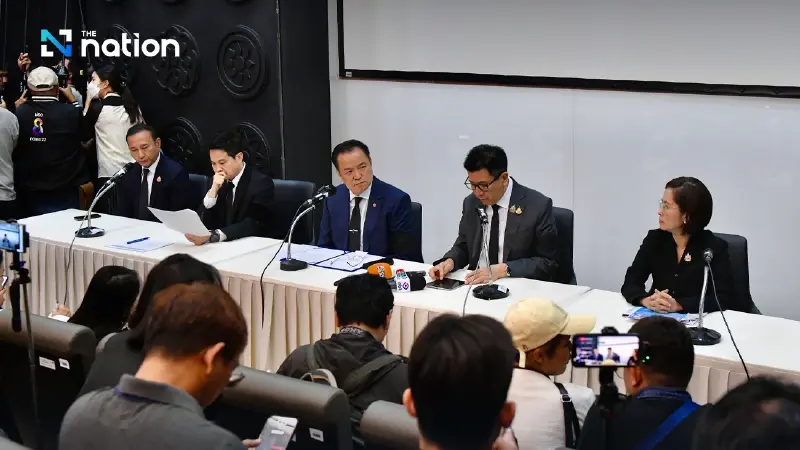


Prime Minister Anutin uses a COVID-era management model to tackle the southern flood crisis, providing urgent aid to 2.7 million people in affected areas.
Prime Minister Anutin Charnvirakul has adopted a COVID-19 crisis management model to address the ongoing southern flood disaster, which has severely affected 10 southern provinces, including Hat Yai, Songkhla, a major economic hub.
In response to the ongoing crisis, the government has activated the Emergency Flood Crisis Operations Centre to implement a centralised command system. This approach aims to streamline operations, reduce redundancies, and respond quickly to the flood’s continuous onslaught.
Drawing from lessons learned during the COVID-19 pandemic, the government has established Hat Yai as the central command base, allowing for real-time data collection, situation assessments, and direct decision-making from a single source. This centralised power structure helps eliminate delays caused by coordination issues between various government departments.

At the regional level, the government has appointed Deputy Prime Ministers and ministers to oversee specific flood-affected provinces. Captain Thammanat Prompao has been directly tasked with managing Songkhla, while other flood-prone provinces like Nakhon Si Thammarat, Phatthalung, Trang, Surat Thani, and Narathiwat have ministers assigned to oversee recovery efforts. This approach aims to close the gap in coordination, which has been a persistent issue in Thailand’s bureaucratic system.
Amidst the rapidly escalating damage, the government has declared a state of emergency for the third time in history, empowering the Prime Minister to directly implement laws, such as evacuation orders, personnel mobilisation, machinery deployment, and security measures, without going through departmental or ministerial layers. This emergency decree allows for swift action in response to the flood crisis.
The goals of this state of emergency are clear in four key areas:
- Protection for officials, ensuring they can perform their duties without fear of legal repercussions in case of mistakes.
- Accelerating emergency funds, immediately releasing reserve funds and central budgets.
- Bypassing parliamentary procedures, expediting decision-making processes.
- Centralising information and command to reduce confusion caused by overlapping responsibilities across multiple agencies.
This model is designed to be quick, decisive, and free of unnecessary steps to manage a disaster that is expanding daily.
2.7 million people affected—debt relief, 0% loans, and quick insurance claims
The latest figures show that 2.7 million people have been affected, with damage spreading across both economic zones and important agricultural areas. The government has launched an urgent recovery plan, which includes debt relief for principal and interest payments for flood-affected areas, 0% interest loans for home and business repairs, and urgent insurance claims processing.
At the same time, Prime Minister Anutin has announced that he will remain in Hat Yai until the crisis passes, personally overseeing the operations. This reflects his commitment to applying “administrative politics” to tackle the largest disaster this government has faced.
