
Hat Yai health system in crisis as only one hospital remains for 700,000 people
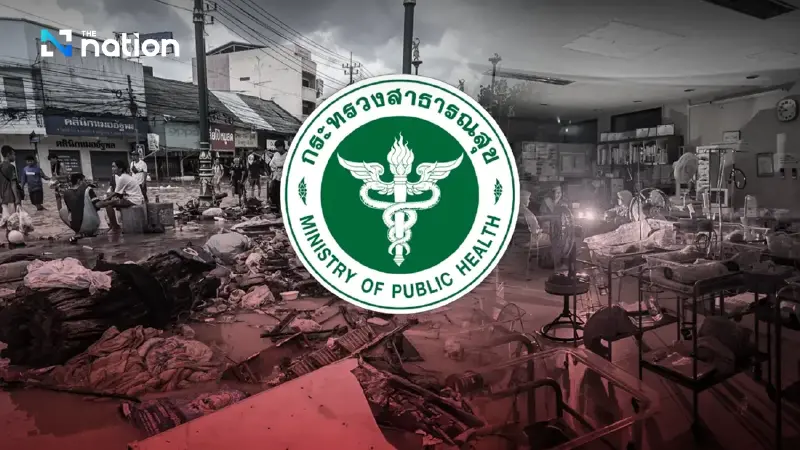


Hat Yai's healthcare system is in crisis as flooding leaves only one hospital operational for 700,000 people. Urgent measures needed for recovery and support.
Pat Korathanakhun, Assistant Dean of Human Resources at the Faculty of Medicine, Prince of Songkla University, has raised an alarming issue regarding the catastrophic impact of recent flooding on Hat Yai's healthcare system.
The city, with a population of over 700,000, has been hit hard by the flood, with a significant number of hospitals and private clinics now out of service.
Hat Yai once boasted five major hospitals, including:
- Hat Yai Hospital (under the Ministry of Public Health),
- Songklanagarind Hospital (affiliated with Prince of Songkla University),
- Bangkok Hospital Hatyai (one of Thailand's leading private hospitals),
- Rajyindee Hospital (a private hospital under Thonburi Healthcare Group),
- Mittraphap Samakkhi Hospital (a foundation hospital).
These hospitals, together with over 200 private clinics, served the healthcare needs of Hat Yai and its neighbouring districts. The combined capacity of these hospitals was over 2,000 beds, providing care not only for local residents but also for those from surrounding areas.
However, the recent flooding has devastated the city’s healthcare infrastructure. Four of the five hospitals, located in the heart of the city, are now inoperable due to severe water damage that submerged critical areas such as patient rooms, diagnostic imaging departments (including CT scans and MRIs), and essential hospital services like electricity and water systems.
Only Songklanagarind Hospital, located on the outskirts of the city, has managed to remain functional.
The damage is not confined to the public hospitals. Over 200 private clinics have also been heavily affected by the floods, further exacerbating the crisis. With the healthcare system already overwhelmed, the remaining hospital is struggling to meet the needs of the entire population, which is now dependent on a single facility for emergency care, routine treatments, and specialist services.
Pat highlighted the critical situation, asking, "How much longer can a single hospital shoulder the burden of caring for an entire city of 700,000 people?"
He pointed out the sheer scale of the challenge: the hospital must not only handle the influx of patients from the flooded areas but also manage the backlog of non-urgent medical cases, further straining limited resources.
Pat proposed five crucial measures for the government, healthcare providers, and the public to cooperate on:
- Collaborative healthcare workforce: He called for the creation of a "borderless healthcare team," where medical staff from flooded hospitals can work at Songklanagarind Hospital without regard for their original affiliations. This would allow the system to better manage the crisis, providing support where it is most needed.
- Medical resources and donations: There is an urgent need for medical supplies, such as equipment and medicines, to help hospitals continue functioning. Pat encouraged the public to donate directly to the hospitals’ foundations, which are accepting contributions to replenish supplies.
- Self-care by the public: With only one hospital operational, he requested that the public be more discerning about seeking medical care, especially during night hours, to allow healthcare workers to rest and recharge for the following day. He urged people to assess the urgency of their condition before coming to the hospital.
- Effective leadership: Pat emphasised the need for strong leadership that understands the challenges faced by healthcare workers on the ground. He requested government officials to act promptly and efficiently to provide the resources and logistical support needed for the hospital to continue operations.
- Tax relief for affected communities: Finally, he appealed for the government to consider tax exemptions for flood victims, who are now struggling to rebuild their homes and lives.
