
Chaichanok to seek Cabinet approval for adopting Tomorrow.io’s satellite–AI system to boost Thailand’s disaster forecasting
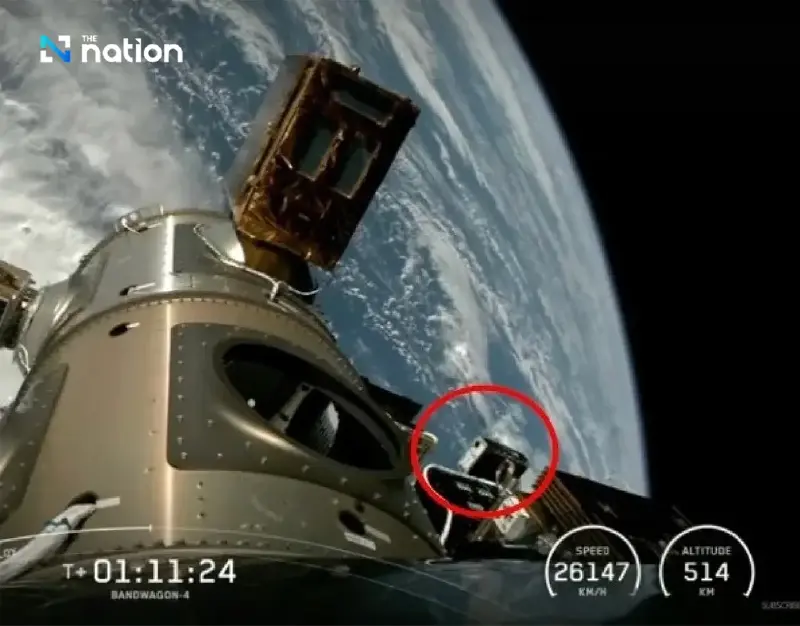


Thailand plans to upgrade its weather-forecasting system using Tomorrow.io’s satellite and AI technology, aiming for faster, more accurate disaster warnings

The government is being urged to upgrade Thailand’s weather-forecasting system by adopting satellite and AI technology from Tomorrow.io, enabling faster and more accurate disaster alerts. The plan includes enhancing the Meteorological Department’s forecasting infrastructure and preparing backup communication systems for future emergencies.

Chaichanok Chidchob, Minister of Digital Economy and Society (DES), revealed that he is preparing to propose to the Cabinet a strategic cooperation project between the Thai Meteorological Department and Tomorrow.io. The goal is to elevate Thailand’s weather forecasting and disaster-warning capabilities to standards comparable with leading global systems.
The cooperation involves deploying Tomorrow.io’s satellite-based weather monitoring system. Tomorrow.io is a global leader in climate technology and is recognized by institutions such as NASA, the U.S. Air Force, and the Bill & Melinda Gates Foundation. The system uses data from nine next-generation satellites equipped with Microwave Sounder technology, capable of scanning Earth’s atmosphere at intervals of less than one hour, with AI-processed reports generated every 15 minutes.
Chaichanok stated that this collaboration will allow Thailand to access clearer and faster information on storms, rainfall, flash floods, lightning, wind patterns, and marine weather conditions, supported by AI-driven atmospheric modelling and decision-making tools that will integrate seamlessly into the country’s meteorological infrastructure.
He emphasized that the Thai Meteorological Department must strengthen its capabilities by improving forecasting accuracy and enhancing its ability to predict disasters in advance — enabling timely alerts so the public can prepare effectively.
Additionally, the Tomorrow.io platform can transform complex meteorological data into clear, actionable instructions, allowing government agencies, frontline workers, and the general public to make rapid and systematic decisions, reducing risks and impacts from severe weather.
These capabilities will position the Meteorological Department as the national center for disaster monitoring, improving public safety. Chaichanok said he will propose the project to the Cabinet to request funding from the central budget for implementation.
Regarding long-term disaster preparedness, Chaichanok has instructed all agencies under the DES Ministry to remain vigilant, particularly in the area of telecommunications, stressing the necessity of establishing emergency backup communication systems to ensure resilience in future crises.
