
Cambodia not ready for talks to end Thai border conflict, says Sihasak
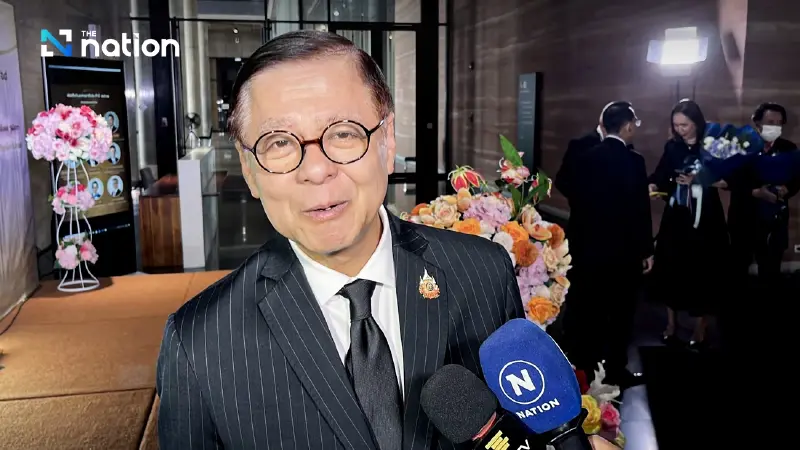


Foreign Minister Sihasak says Cambodia is still not ready to negotiate an end to the Thai–Cambodian border conflict despite UN calls to ease tensions.
- Thai Foreign Minister Sihasak Phuangketkeow stated that Cambodia is not ready to negotiate an end to the border conflict.
- Sihasak claims that past agreements have not been honored by Cambodia, and that Thailand will continue military operations until Cambodia shows genuine readiness for talks.
- Thailand is actively briefing the international community, accusing Cambodia of initiating the clashes, laying new landmines, and creating a false narrative of victimhood.
- According to Sihasak, Thailand will not enter negotiations until Cambodia, whom he blames for starting the conflict, demonstrates a sincere desire to resolve the issue.
At Parliament in Bangkok, Foreign Minister Sihasak Phuangketkeow said Cambodia is still not ready to enter negotiations to resolve the Thai–Cambodian border conflict, despite calls from the UN secretary-general for both sides to do everything possible to de-escalate tensions.
“The problem is that Cambodia is not ready to negotiate,” he said, adding that any return to talks risked repeating past patterns in which agreements were reached but not honoured.
“Therefore, Thailand has to continue military operations until the point where Cambodia is genuinely ready.”
Sihasak said that on Monday, December 8, he briefed ambassadors, diplomats and both Thai and foreign media to make clear that Thailand had not initiated the latest clashes.
He stressed that Thailand had a duty to defend its sovereignty and to do everything possible to end Cambodia’s threats, while also highlighting what he described as a long-standing pattern on Cambodia’s part of denial, distraction and creating narratives that do not match the facts – whether concerning the current incidents, landmines or earlier episodes.
“I believe the international community can now see Cambodia’s methods,” he said, recalling his recent participation in the meeting of states parties to the Ottawa Convention in Geneva on the prohibition of anti-personnel landmines.
Thailand had presented evidence, including the latest incidents in which Thai soldiers were killed or injured, to show that new landmines had been laid, he said. This was not based solely on Thai claims but was also confirmed by ASEAN observers.
“When we showed the video clips, Cambodia seemed uncomfortable, because what Thailand said was backed by evidence,” Sihasak added.
The foreign minister said he was confident that Thailand’s explanations were on the right track, as it was essential that the international community understood the reality of the situation.
Cambodia, he argued, was trying to portray itself as a victim – a small state being attacked by a larger neighbour – even though, in practice, a smaller country can also provoke and encroach for its own benefit.
“Once we have communicated this to the international community, Thailand will also send formal letters,” Sihasak said, expressing confidence that the international community would understand that Thailand had not started the fighting.
Acknowledging that the international community wants Thailand and Cambodia to talk, he added: “But for Thailand, the door to negotiations is not yet open, because we were not the ones who started this. Cambodia must first reach the point where it genuinely wants to be the side that comes to the table.”
