
Military urges use of “high-risk area” label for Gulf measures, not “blockade”


Thai military says the Gulf measure is a “high-risk area” notice for Thai vessels, not a blockade, as it moves to cut fuel and supplies to Cambodia
Thailand’s military has urged the public and media to avoid describing its latest maritime measures in the Gulf of Thailand as a “closure” or “blockade”, saying such language implies a large-scale war posture and risks drawing third countries into a conflict that remains strictly between Thailand and Cambodia.
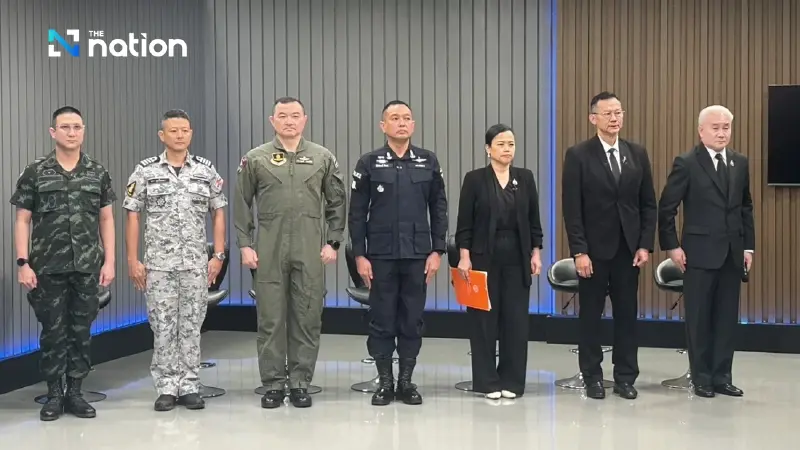
Speaking at the Joint Press Centre on the Thailand–Cambodia Border Situation at 10am on Monday, December 15, 2025, Capt Nara Khunthothom, assistant navy spokesperson, said the designation of a “high-risk area” was proposed because Cambodian forces have used weapons without discrimination, creating the risk that vessels entering the zone could be attacked.
He stressed that a “high-risk area” notice is not the same as shutting the Gulf. A true closure, he said, would only be used in a major war situation and would restrict all vessels of all nationalities, with wide-ranging consequences. In this operation, he said, the restriction is aimed at Thai-flagged vessels only, and Thailand’s actions must not affect third countries.
Asked how authorities would handle foreign ships carrying fuel or strategic goods, Nara reiterated that Thailand cannot take action that impacts third countries, warning that doing so could expand the conflict.
Royal Thai Army deputy spokesperson Col Ritcha Suksuwanont said authorities have information indicating fuel and strategic supplies are being brought into Cambodia, prompting tighter controls. He said details on the routes could not be disclosed, but insisted the measures are necessary.
Ritcha added that Thailand has repeatedly told both the public and the international community it is adhering to humanitarian principles, noting that the conflict has caused losses on both sides and hardship for civilians. He said ending the fighting quickly requires cutting off strategic supplies, arguing that prolonged fighting is driven by continued access to such resources—whether from within or outside the area.
On the GAM-102LR anti-tank missile seized by Thai forces, Ritcha said it remains in Thai custody under standard procedures. He described it as a modern weapon and said there had been limited use, but field reports showed no Thai armoured vehicles had been damaged. He said this could suggest factors such as operator proficiency or Thai tactics.
Air Force spokesperson Air Marshal Chakkrit Thammavichai said cutting supply lines can be done in several ways. He said the Air Force has worked with the Army and Navy to strike logistics routes, including bridges, to reduce the effectiveness of resupply from rear areas to the front line—an approach he said is aimed at helping end the conflict sooner and limiting the impact on civilians.
Defence Ministry spokesman Rear Admiral Surasan Kongsiri said that if authorities can verify that fuel or strategic supplies are being routed through other channels or via third countries, relevant ministries would need to coordinate further action in line with their respective mandates. He said agencies including the Commerce and Transport ministries would be involved, adding that the government is ready to cooperate across departments.
