Frost turns Phu Luang white; Doi Inthanon hits 0°C
FRIDAY, JANUARY 09, 2026
Play
Frost was reported at Phu Luang (4°C) and Doi Inthanon/Kew Mae Pan (0°C; grass -1.2°C) on Jan 9, drawing tourists to highland viewpoints
Khaning” (frost) reported at Phu Luang Wildlife Sanctuary in Loei and at Doi Inthanon in Chiang Mai on Thursday, January 9, 2026, as temperatures dipped to seasonal lows.
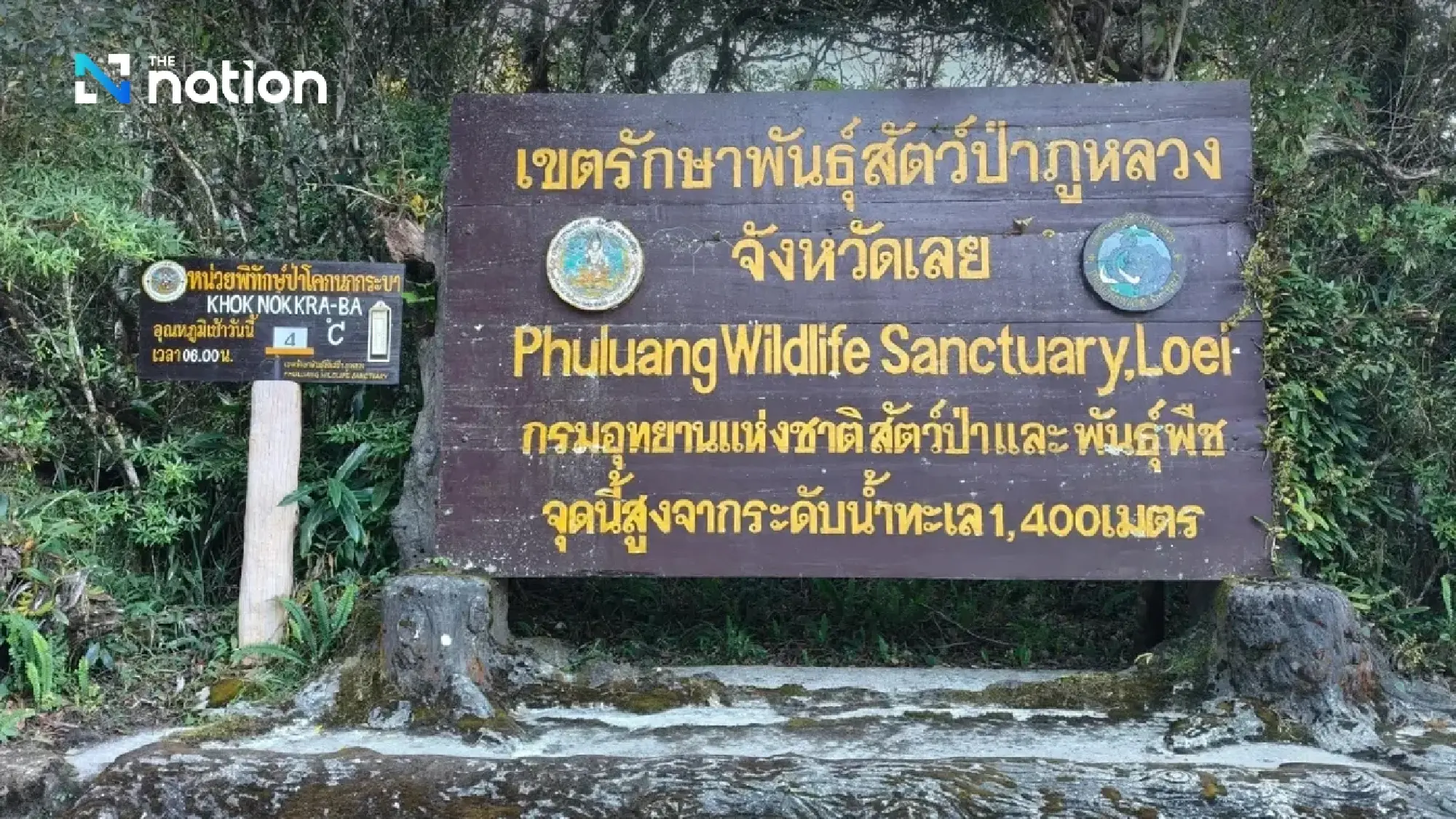
Phu Luang: first frost of 2026 reported at Khok Nok Kraba
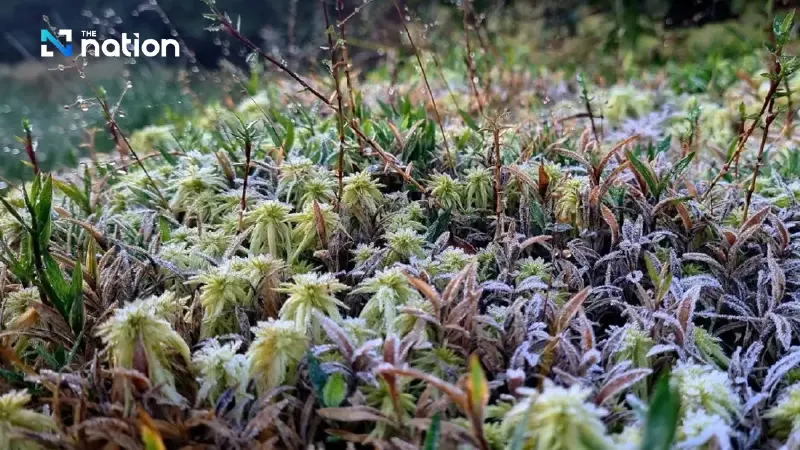
In Loei province, frost was reported at the Khok Nok Kraba forest protection unit within Phu Luang Wildlife Sanctuary in Phu Ruea district, after the minimum temperature fell to 4°C at the unit’s monitoring station. Reports said frost formed as fine white ice crystals on grass and leaves, creating a popular early-morning sight for visitors.
Local reports urged travellers heading into the sanctuary’s higher ground to prepare warm clothing and to check vehicles before travelling, noting steep routes in the area. Visitors were also asked to follow sanctuary rules and keep the site clean.
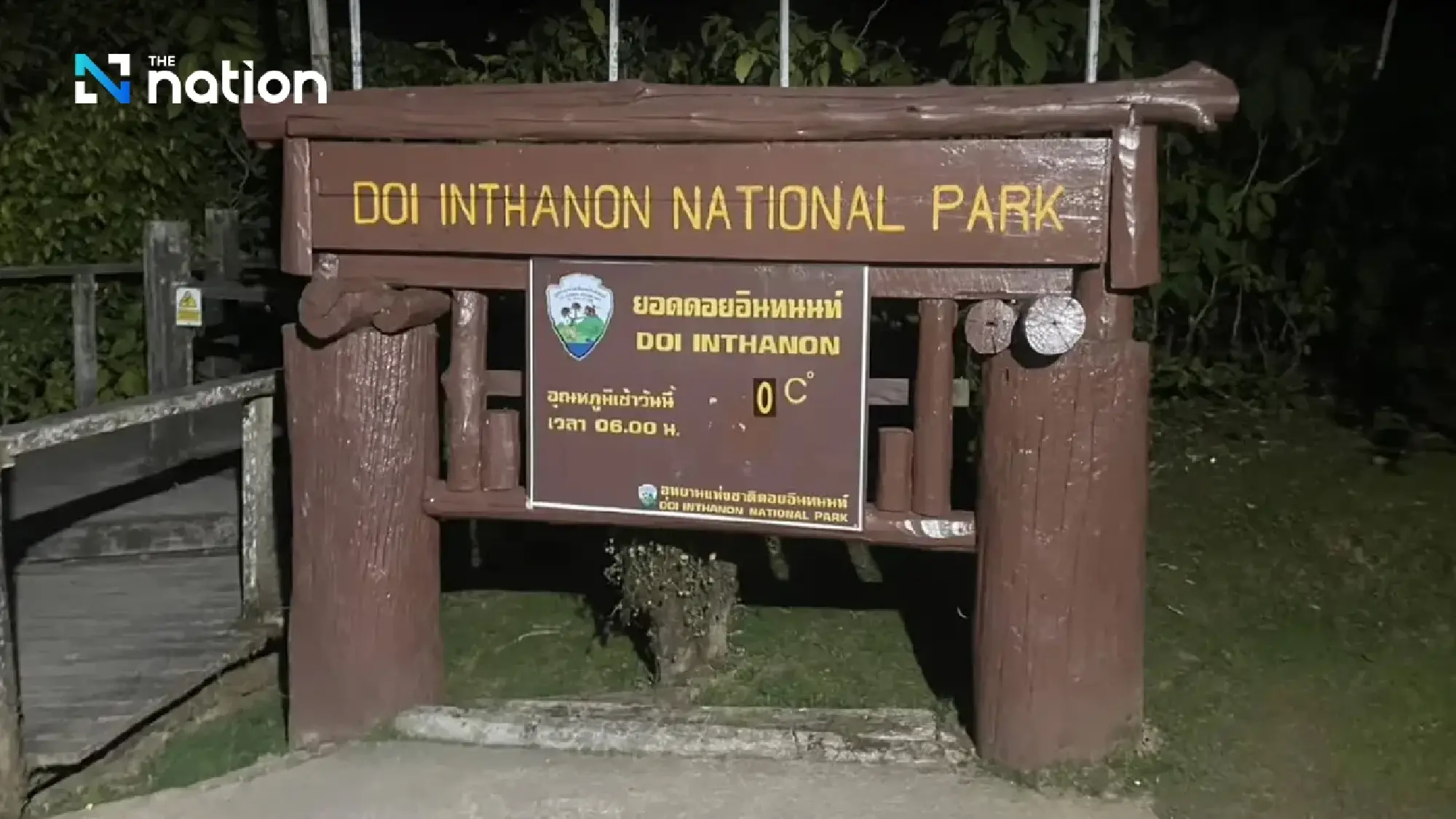
Doi Inthanon: first 0°C morning of the year, grass at -1.2°C
In Chiang Mai, reports said temperatures at the Doi Inthanon summit and the Kew Mae Pan viewpoint fell to 0°C, described as the first time the area hit freezing point in 2026. Grass temperature readings were reported at -1.2°C, producing widespread frost at Kew Mae Pan, while tourists gathered for sunrise views and a “sea of mist”.
One report listed additional readings of 6°C at the national park headquarters area (km 31, Ban Khun Klang).
What “mae khaning” is and why it appears in patches
Mae khaning (also called “meekhab”) forms when moisture near the ground cools enough to turn into ice crystals on surfaces such as grass and leaves. Reports noted that the process can happen directly, producing fine white crystals that look like icing dusted over vegetation. Frost tends to appear only in certain high, open areas where temperatures drop fastest and wind and humidity conditions are favourable.
Safety note for travellers
Cold mornings can bring reduced visibility in some stretches, especially near viewpoints and steep mountain roads. Travellers typically prepare warm layers, allow extra travel time, and ensure brakes and engines are in good condition before climbing highland routes.