
Myanmar cuts export FX conversion to 15%, lifting Thai trade
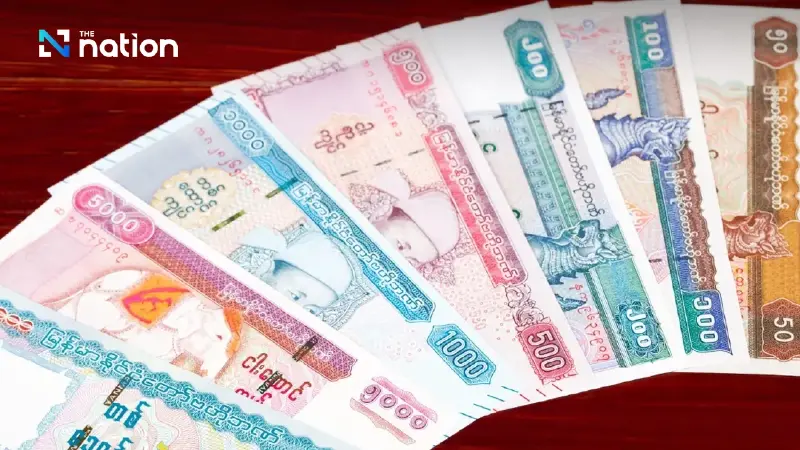


Myanmar’s central bank cuts the kyat conversion share on export earnings to 15% from 25%, effective Jan 1, 2026, easing pressure on exporters
The Department of Foreign Trade has reported positive news, saying the Central Bank of Myanmar has reduced the proportion of export earnings that must be converted into kyat to 15%, from 25%—changing the ratio from 75:25 to 85:15—effective 1 January 2026. The move should allow exporters to manage their export income more flexibly, reduce pressure from having to convert a larger share at the official rate, and support business liquidity.

Arada Fuangtong, Director-General of the Department of Foreign Trade at the Ministry of Commerce, said the Central Bank of Myanmar (CBM) issued Announcement No. 2/2026, dated 7 January 2026, reducing the required conversion of export earnings into kyat from 25% to 15%. This enables exporters to convert a larger share of earnings via the online rate and reduces the burden of conversion through the official rate.
The measure has been in force since 1 January 2026. Previously, Myanmar imposed strict foreign-exchange controls, which meant exporters had to bear costs arising from the gap between the official exchange rate and the market rate, affecting their ability to operate.
At present, the kyat-to-dollar exchange rate in the real market is around 4,400 kyat per US dollar, while the CBM’s official rate is 2,100 kyat per US dollar (data as of December 2025). The reduction in Myanmar’s export earning ratio is seen as a positive signal that should support Thai–Myanmar border trade in terms of costs, liquidity and confidence.

Arada said, however, that Thailand–Myanmar trade trends still depend on several factors, including Myanmar’s election situation and domestic politics, border security measures on both sides, and economic controls such as import-licence requirements and bans on importing many products—especially beverages, sweetened condensed milk, soap, toothpaste, automobiles and cement. Border closures at various crossings—such as Phaya Tong Su–Chedi Sam Ong and Myawaddy–Mae Sot—also have a major impact on Thai–Myanmar trade, and Thailand needs to closely monitor developments.
In particular, she said, businesses should watch the atmosphere surrounding Myanmar’s new election and how widely it is accepted, and whether it leads to changes or improvements in trade and economic policies with neighbouring countries, including Thailand—so they can adapt in time.
Arada added that Thai operators should closely follow the practices of commercial banks and relevant service providers in Myanmar to ensure transactions are conducted correctly and smoothly. The department hopes that Myanmar will gradually adjust the ratio further towards 100:0, and that the online rate will move closer to the market rate, which would benefit the Thai–Myanmar trading environment and strengthen business confidence.
The department will continue to track developments and will immediately inform the private sector once there is further clarity.
