
Phiphat backs ‘Disneyland Thailand’ bid with embassy support
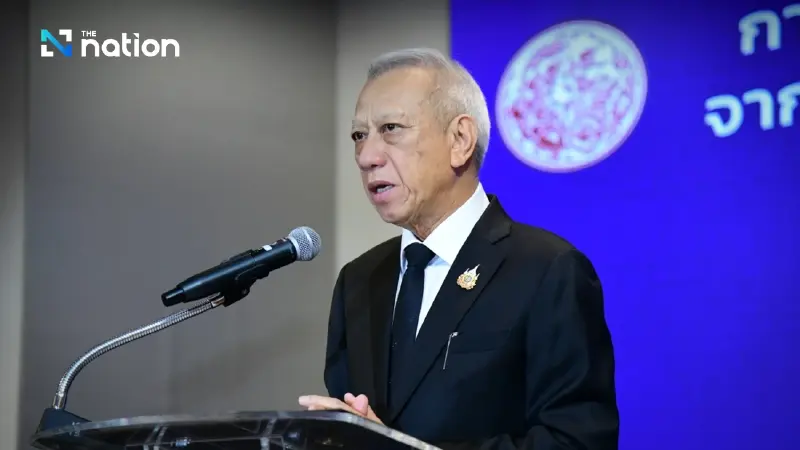


Deputy PM Phiphat says Thailand’s Washington embassy is backing a bid for Southeast Asia’s first Disneyland, pitching the EEC as an entertainment hub
On February 3, 2026, Deputy Prime Minister and Transport Minister Phiphat Ratchakitprakarn, who oversees the Eastern Economic Corridor (EEC), commented on a message shared by the Thai Embassy in Washington, D.C. stating that Thailand is positioning itself as a “key option” to host the first Disneyland in Southeast Asia. He said this shows the “Disneyland Thailand” concept has moved beyond marketing talk and is being elevated to the level of economic diplomacy.

Phiphat said Thailand’s strengths are not limited to market size, but include infrastructure readiness—airports, high-speed rail, ports and road networks—that could immediately support a large volume of visitors if a global-scale project decides to invest.
He said the model being proposed differs from a typical theme park. The plan is to design a large “Entertainment & Lifestyle Hub” that combines a theme park with a concert hall and an international-standard stadium with a capacity of more than 80,000 seats, capable of hosting global events throughout the year.
The aim, he said, is not only to attract visitors for rides, but to bring in major events—concerts by global artists and international sports competitions—to encourage repeat travel. He argued that this aligns with modern tourism-city trends that use sport, music and entertainment as economic engines, helping revenue spread beyond the project site to hotels, transport, restaurants and related tourism businesses, rather than relying solely on theme-park income.
Addressing concerns about “grey businesses”, Phiphat stressed that the project would involve no grey elements and no casino, saying it is intended as genuine tourism-and-events infrastructure to reposition Thailand as a regional hub for music and sport tourism.
If realised, he said the project could create more than 100,000 jobs, add around 10 million tourists a year, generate more than 150 billion baht in revenue, and potentially lift Thailand’s GDP growth by about 1% per year.
He said the embassy’s communication is being interpreted as an international policy signal that Thailand is seriously “opening” a global-scale deal. If successful, he added, the EEC could evolve beyond an industrial special economic zone and become a future global entertainment landmark in Asia.
