
Bangkok launches EV push for motorcycle taxis to cut pollution, lower costs
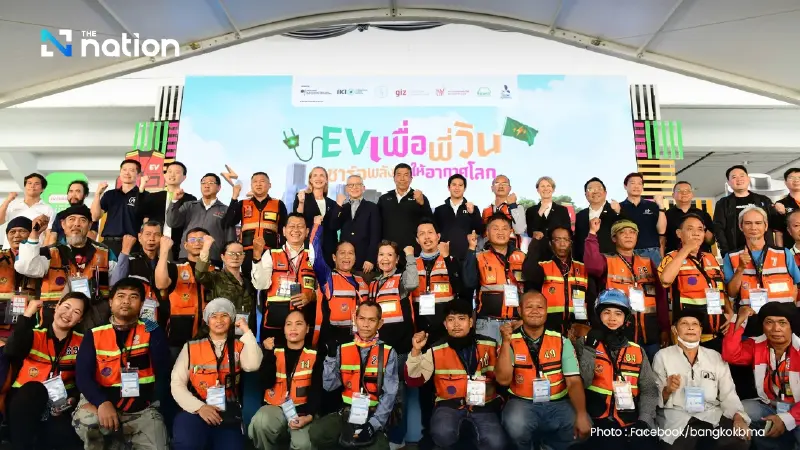


Bangkok has launched the “EV for Win Riders” project to speed up the shift to electric motorcycle taxis through a pilot rental-and-trial model, aiming to curb pollution and reduce riders’ operating costs.
BMA rolls out EV pilot for motorcycle taxi riders
Bangkok Metropolitan Administration (BMA) Governor Chadchart Sittipunt on Monday launched the “EV for Win Riders” project at the Bangkok Youth Center (Thai–Japanese) in Din Daeng, aiming to accelerate the transition to electric motorcycle taxis in the capital.
The initiative is being implemented with Germany’s international cooperation agency GIZ, King Mongkut’s University of Technology Thonburi (KMUTT), and the Electric Vehicle Association of Thailand (EVAT).
Cutting pollution while lowering riders’ operating costs
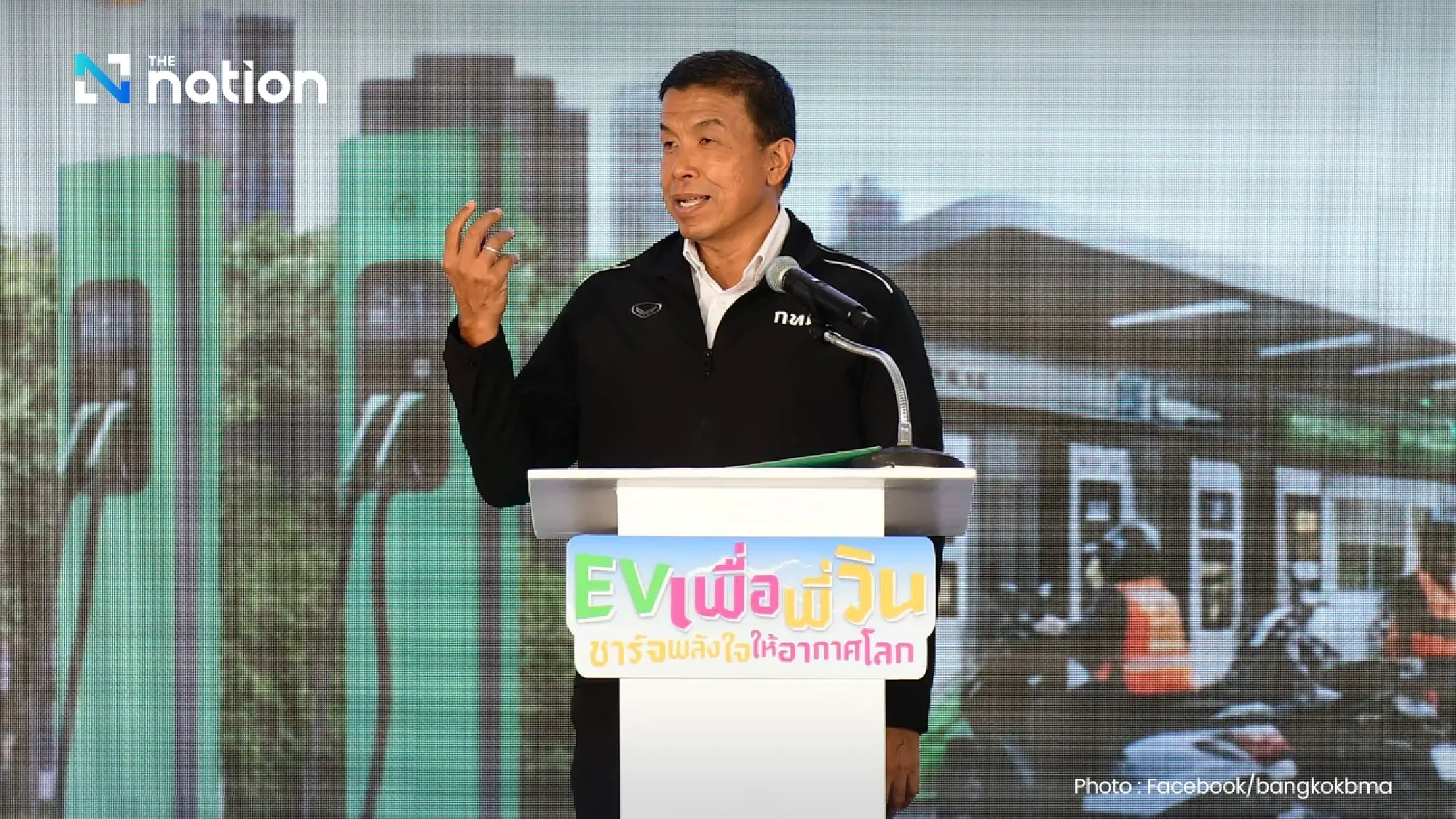
Chadchart said motorcycle taxi riders are a crucial part of Bangkok’s transport system and could play a major role in reducing carbon emissions. He said shifting to EVs is a key strategy to cut air pollution and greenhouse gas emissions, while also reducing fuel costs—helping riders increase income opportunities and strengthen economic security.
He compared the EV transition to a marathon, saying Thailand has millions of motorcycles and the shift must begin with groups that can clearly see the benefits, both economically and for health, to ensure a gradual but lasting change.

Pilot rental model and charging options
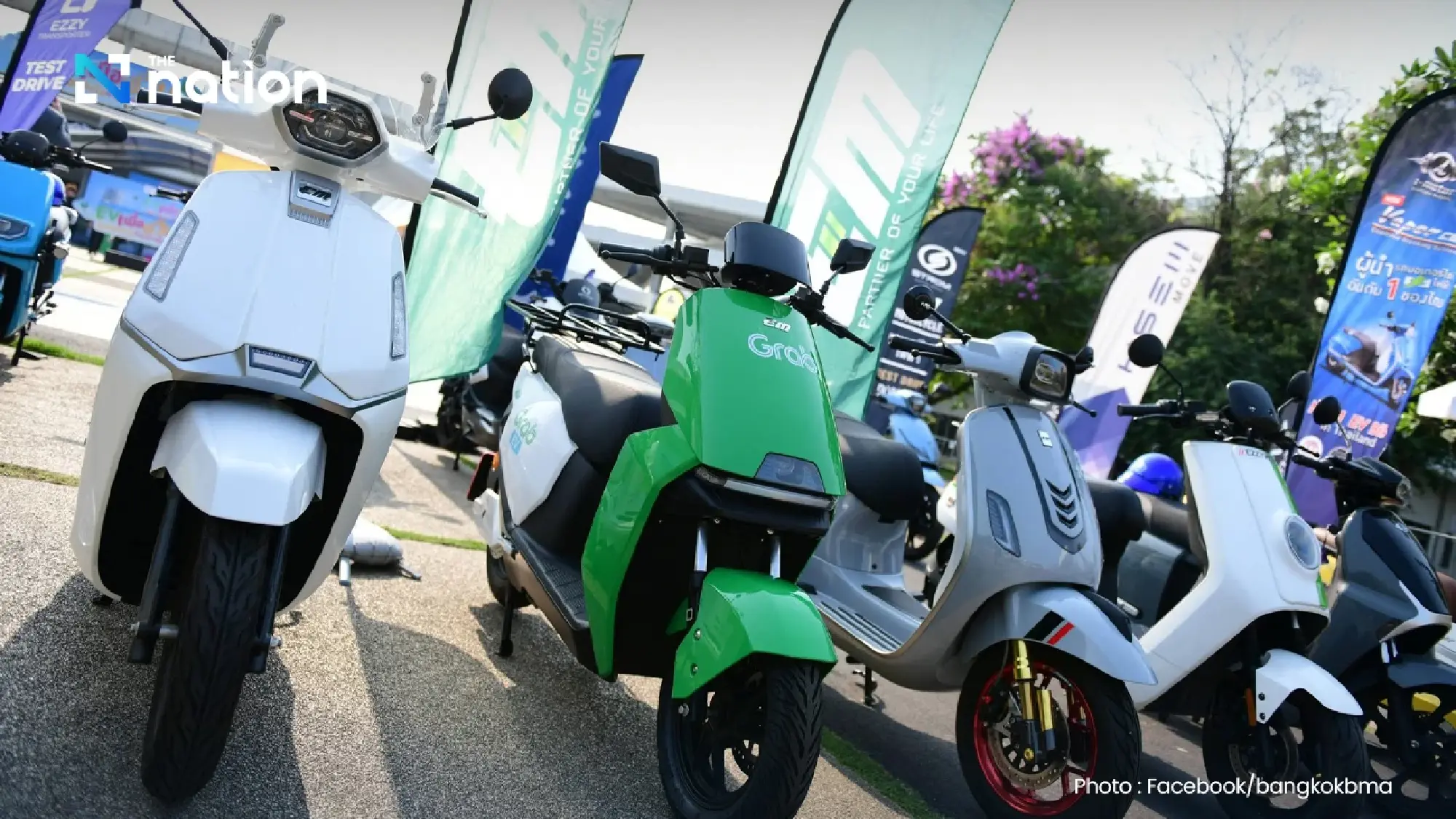
The project aims to address structural barriers by testing a lease-to-ride model priced at 75–140 baht per day. It will also prepare charging infrastructure, including standard charging and battery swapping, to support faster turnaround for riders.
First phase targets Din Daeng and Phaya Thai
In the first phase, more than 200 participants—motorcycle taxi riders and BMA street sweepers in Din Daeng and Phaya Thai—will join trials and receive information on operating costs.
Thirty representatives will then be selected to take EV motorcycles into real service for one month free of charge. Data collected will be analysed to support possible expansion city-wide.

Study cites scale of ‘capillary transport’ and emissions impact
Research under the Thai-German Cooperation on Energy, Mobility and Climate (TGC EMC) project found Bangkok has more than 89,000 motorcycle taxi riders across over 5,300 stands, described as an essential “capillary transport” network.
The study estimated the current petrol-based system emits around 80,000–100,000 tonnes of carbon dioxide annually and produces PM2.5 pollution equivalent to burning 3,800 rai of rice fields, or comparable to emissions from 2,000 older red public buses over a year.
Insa Illgen, TGC EMC project director at GIZ, said real-world trials would help gather feedback from users to refine charging systems and support measures, helping Bangkok move towards cleaner transport and better quality of life.
Sustainability team to help drive rollout
The BMA said the programme is a key step in integrating electric motorcycle taxis into everyday urban life to tackle long-running pollution problems while supporting grassroots livelihoods. The project is being supported by Porphrom Vikitsreth, adviser to the Bangkok governor on sustainability, and Assoc Prof Dr Yosapong Laonual, head of the MOVE Centre.
