
Thai Sugar Industry Calls for E20 Transition to Bolster Energy Security and Net Zero Goals
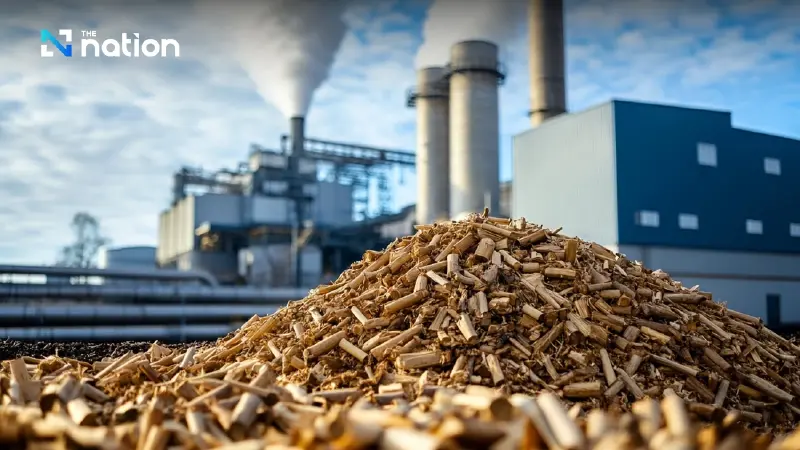


Sugar millers propose making E20 the primary fuel to cut crude oil imports by 1.05 billion litres annually while boosting income for 420,000 farming families
- Thailand's sugar industry is urging the government to make Gasohol E20 the primary national fuel to bolster energy security by cutting annual crude oil imports by over 1 billion litres.
- The transition would nearly double the demand for ethanol, boosting the domestic economy and providing additional income for over 420,000 farming families.
- In addition to fuel, the proposal supports net zero goals by calling for expanded biomass electricity production from sugarcane waste, which also helps reduce PM 2.5 air pollution from agricultural burning.
Sugar millers propose making E20 the primary fuel to cut crude oil imports by 1.05 billion litres annually while boosting income for 420,000 farming families.
The Three Sugar Millers Associations (TSMC) have called on the Thai government to elevate agricultural renewable energy to a national agenda.
The proposal aims to insulate the country from volatile global markets and reduce heavy reliance on imported energy, which currently accounts for 60–70% of national demand.
Central to the associations’ green economy model is the promotion of Gasohol E20 as Thailand’s primary fuel. Such a transition is estimated to reduce crude oil imports by 2.9 million litres per day, or nearly 1.058 billion litres annually.
Additionally, the group advocates for expanding biomass electricity production from sugarcane leaves and agricultural waste to its full potential of 650 megawatts (MW) to replace natural gas.

Dr Somchai Harnhirun, chairman of the Coordination Committee of the TSMC, highlighted that Thailand remains vulnerable due to its massive imports of crude oil for transport and natural gas for power generation.
"Thailand possesses immense agricultural potential that can be transformed into renewable energy," Dr Somchai stated. "The sugar and cane industry is a vital engine for the country.
With over 11 million rai of plantation area producing 92 million tonnes of cane annually, we have the capacity to drive biofuel and biomass production efficiently."

The sugar industry currently contributes approximately 123 billion baht to the economy, representing 8% of Thailand’s agricultural GDP.
Dr Somchai argued that shifting to E20 would cause ethanol demand to leap from 3.5 million litres to 6.4 million litres per day.
This surge would keep tens of billions of baht within the domestic economy, directly benefiting over 420,000 farming households and stabilising sugarcane prices.

Drawing parallels to global leaders, Dr Somchai noted that Brazil has successfully utilised E27 as a minimum standard for decades, while Thailand’s regional peer, India, is aggressively moving toward an E20 target.
Beyond fuel, the industry is pushing for a systematic "buy-back" of sugarcane leaves for biomass power.
This initiative currently generates 1.2 billion baht in additional annual income for farmers and provides a critical incentive to stop open-field burning—a primary cause of PM 2.5 air pollution.


The TSMC noted positive signals from the government, including the Energy Policy and Planning Office's recent decision to increase biodiesel (B100) blending to 7% effective 14 March 2026.
However, the industry is calling for more concrete legal frameworks and long-term policies to encourage sustainable investment.
"Renewable energy from the agricultural sector is no longer just an option; it is a necessity for Thailand's survival and sustainable growth," Dr Somchai concluded.
