
IEA unveils 10 emergency oil-saving steps as Middle East war rattles markets
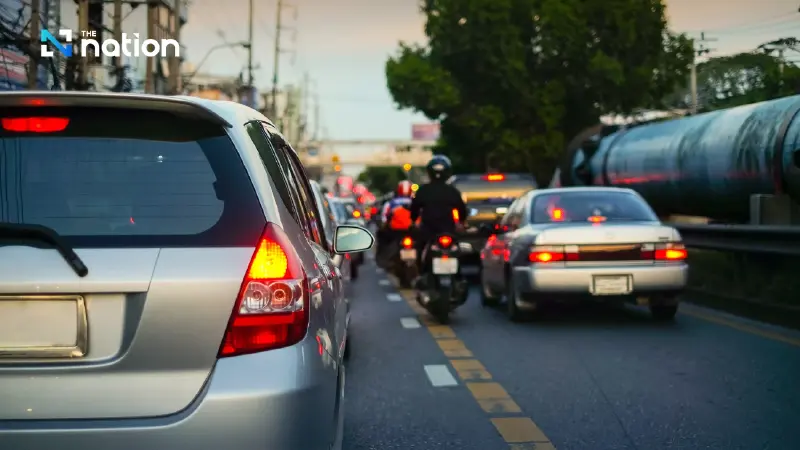


The IEA has issued 10 emergency measures to cut oil demand after Middle East supply disruptions sent crude above US$100 a barrel
The International Energy Agency has issued an emergency report setting out 10 immediate measures to reduce oil demand, urging governments, businesses and households around the world to act quickly as the war in the Middle East triggers severe disruption in global energy markets.
The IEA said the conflict has created the largest supply disruption in the history of the global oil market because shipping through the Strait of Hormuz has almost ground to a halt. According to the agency, around 15 million barrels of crude oil and 5 million barrels of oil products normally pass through the waterway each day, equivalent to about 20% of global oil consumption. Those flows have now slowed to a trickle.
The disruption has pushed crude prices above US$100 a barrel and led to even sharper price pressure in refined fuels, especially diesel, jet fuel and liquefied petroleum gas. In response, IEA member countries unanimously agreed on March 11 to release 400 million barrels from emergency reserves, the largest stock release in the agency’s history.
The IEA said, however, that supply-side action alone would not be enough to deal with a disruption of this scale.
IEA Executive Director Fatih Birol said the war in the Middle East was creating a major energy crisis and warned that, without a rapid end to the conflict, the consequences for energy markets and the world economy would worsen. He said immediate action by households and businesses to curb oil use was one of the fastest available tools to help ease the burden.


The 10 emergency actions proposed by the IEA are:
1. Work from home where possible
This can reduce oil use from commuting, particularly in jobs suited to remote work.
2. Cut motorway speed limits by at least 10 km/h
Lower speeds reduce fuel use for cars, vans and lorries.
3. Encourage public transport
Shifting from private cars to buses and trains can quickly reduce oil demand.
4. Alternate private car access in large cities
Number-plate rotation schemes can reduce congestion and fuel-intensive driving.
5. Increase car sharing and adopt efficient driving
Higher car occupancy and eco-driving can lower fuel consumption quickly.
6. Improve efficiency in freight and delivery transport
Better driving practices, vehicle maintenance and load optimisation can cut diesel use.
7. Divert LPG use away from transport where possible
The IEA said shifting bi-fuel and converted vehicles from LPG to petrol can preserve LPG for cooking and other essential uses.
8. Avoid air travel where alternatives exist
Cutting business flights can quickly ease pressure on jet fuel markets.
9. Switch to other modern cooking options where possible
The agency said electric cooking and other alternatives can reduce reliance on LPG.
10. Use petrochemical feedstock flexibility and short-term efficiency measures
Industry can help free up LPG for essential uses while reducing oil consumption through quick operational improvements.
The IEA said all 10 options could be implemented quickly and begin delivering savings within weeks, adding that demand restraint must now complement emergency stock releases if governments are to shield households and businesses from the oil shock.
