
Chiang Mai ranks world’s second most polluted city as AQI hits 231
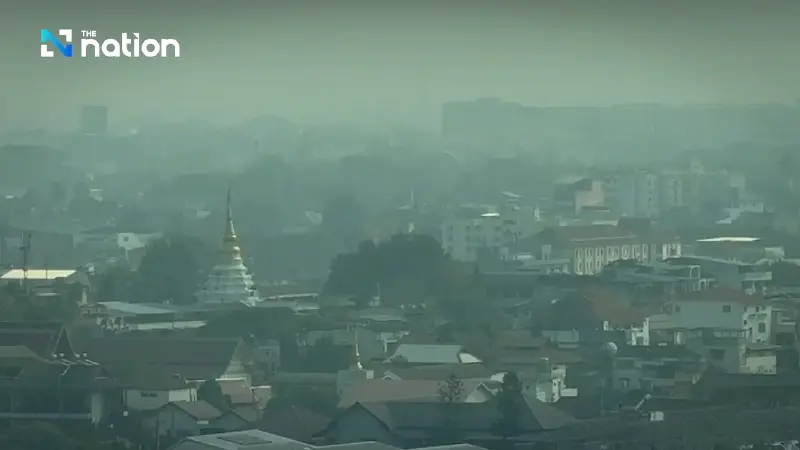


Chiang Mai’s air quality index surged to 231 on April 2, placing it second worst in the world as authorities warned of serious health risks.
Thailand’s PM2.5 crisis has reached a severe level, with fresh data on April 2, 2026, at 7am from IQAir showing air quality in Chiang Mai Municipality had worsened dramatically, pushing it up to the rank of the world’s second most polluted city.
The city recorded an AQI of 231, placing it in the purple zone, a level considered to have serious health effects on everyone. Residents in affected areas were reported to be suffering from severe eye irritation and a feeling of not being able to breathe properly, raising fears of long-term damage to health.
According to the global ranking of cities with the worst air quality based on US AQI+, major cities in Asia and Africa continued to face critical pollution levels, with Chiang Mai rising near the top of the list:
Top 10 most polluted cities in the world
- Dakar, Senegal | AQI 271 (purple)
- Chiang Mai Municipality, Thailand | AQI 231 (purple)
- Delhi, India | AQI 175 (red)
- Lahore, Pakistan | AQI 161 (red)
- Jakarta, Indonesia | AQI 160 (red)
- Hanoi, Vietnam | AQI 156 (red)
- Shanghai, China | AQI 156 (red)
- Dhaka, Bangladesh | AQI 155 (red)
- Kinshasa, Congo | AQI 149 (orange)
- Kathmandu, Nepal | AQI 147 (orange)
It is not only Chiang Mai that is facing alarming conditions. Across northern and northeastern Thailand, air pollution levels remain extremely high, with Chiang Rai recording an even worse reading than Chiang Mai.
Worst air pollution readings in Thailand
- Chiang Rai, Chiang Rai province | AQI 269 (purple – highest in Thailand)
- Chiang Mai Municipality, Chiang Mai province | AQI 231 (purple)
- Hang Dong, Chiang Mai province | AQI 209 (purple)
- Ban Pong, Ratchaburi province | AQI 196 (red)
- Uttaradit, Uttaradit province | AQI 189 (red)
- Khon Kaen, Khon Kaen province | AQI 165 (red)
- Udon Thani | AQI 162 (red)
- Phetchabun, Phetchabun province | AQI 158 (red)
- Surat Thani, Surat Thani province | AQI 152 (red)
- Phitsanulok, Phitsanulok province | AQI 131 (orange)
What is AQI?
AQI, or the Air Quality Index, measures six major pollutants — PM2.5, PM10, O3, CO, NO2 and SO2 — to indicate health risks. The scale is divided into colour-coded levels:
- Green (0-50): Good
- Yellow (51-100): Moderate
- Orange (101-150): Unhealthy for sensitive groups
- Red (151-200): Unhealthy for everyone
- Light purple (201-300): Very unhealthy for everyone
- Dark purple (301+): Hazardous
Chiang Mai and Chiang Rai are currently in the light purple category.
How to protect yourself from dangerous PM2.5
With air quality at hazardous levels, people are being urged to follow health advice strictly.
Outdoor activity should be avoided, especially in red and purple zones. Anyone who must go outside should wear an N95 mask. Homes should be kept tightly closed, with air purifiers used where possible, and indoor areas cleaned regularly to reduce dust build-up.
People are also advised to monitor pollution levels closely through IQAir’s website or mobile applications before travelling, and to watch for symptoms such as coughing, chest tightness or breathing difficulties. Children and older people with such symptoms should seek medical attention immediately.
The public is also being urged to help reduce the root causes of the crisis by avoiding open burning and cutting back on private car use during the worst of the pollution episode.
