
Songkran row flares as Cambodia revives ownership claim
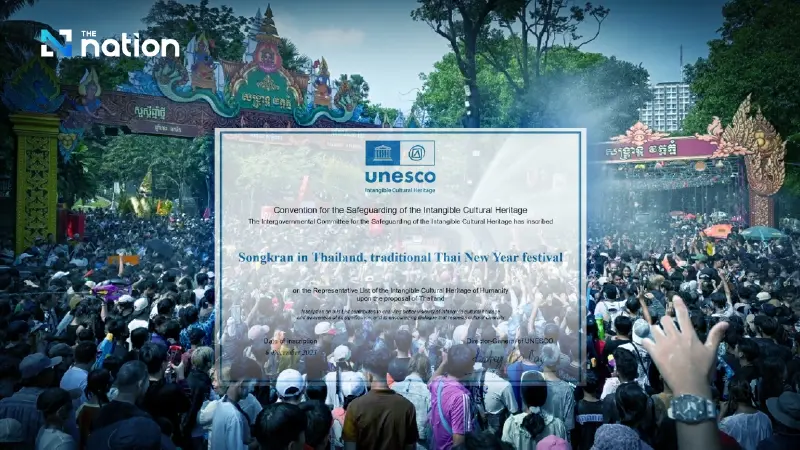


A fresh online row has erupted after Cambodia was accused of using the Songkran name despite Thailand’s UNESCO cultural recognition
A fresh controversy has broken out over Songkran after Cambodia was accused online of trying to claim ownership of the festival despite Thailand’s UNESCO recognition.
The dispute has gained traction after reports that Cambodia has shifted away from using the term “Choul Chnam Thmey” and is instead promoting the celebration under the name “Cambodia Songkran”. The move has triggered a backlash among Thai social media users, particularly after claims emerged that the Cambodian side had cited an inscription of the word “Songkran” found on the wall of an ancient temple as evidence that the tradition originated there before Thailand.

The issue has become more widely discussed as Cambodia has sought to build a case around cultural ownership by referring to the alleged inscription on an ancient structure. The claim has been presented as support for the argument that its celebration is the original and older version, while the scale of festivities in Siem Reap has also been stepped up in what critics see as an effort to compete more directly for international tourism attention.
The latest debate appears to have intensified after UNESCO officially recognised “Songkran in Thailand” as an item of Intangible Cultural Heritage of Humanity. That recognition has been repeatedly raised by Thai commentators questioning Cambodia’s attempt to reshape the narrative around the festival.

At the same time, Thailand is pressing ahead with the “Maha Songkran World Water Festival 2026”, with major investment in lighting, sound, EDM performances and signature Thai-style water celebrations that have drawn strong international interest. Cambodia, for its part, is also staging a large-scale event in Siem Reap in an apparent effort to strengthen its own profile during the same festive period.

Even so, many observers believe that, while the Siem Reap event is trying to mirror elements seen in Thailand, it still lacks the natural charm and sense of fun that many people associate with the Thai Songkran experience.

The broader point, however, is that cultural traditions across the region may share common roots. But attempts to claim exclusive ownership on the basis of unclear evidence may not be the best way to build relations between neighbouring countries. In the end, it may be left to tourists and the wider international public to decide which version of Songkran they most want to experience.

