
Thailand to turn gaming into digital skills pathway for students
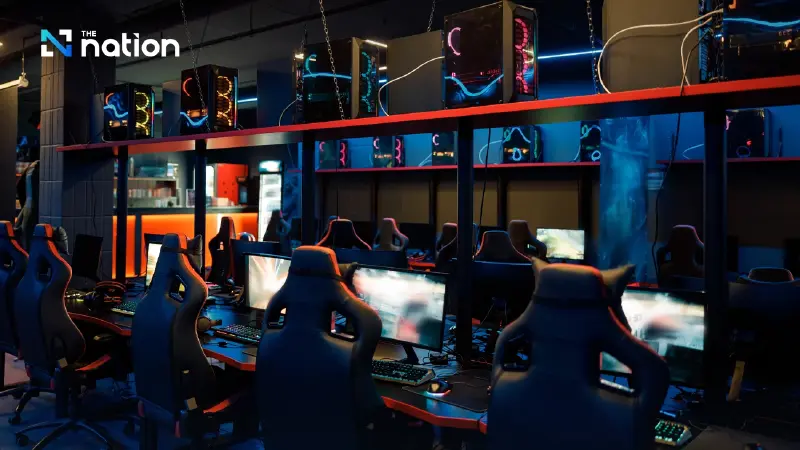


Thailand plans to bring esports into schools through TO BE NUMBER ONE clubs, aiming to develop digital skills and future career opportunities.
The Thai government is preparing to promote esports in schools nationwide, piloting the initiative through TO BE NUMBER ONE clubs in a bid to turn gaming into a tool for developing digital skills and creating career opportunities.
The government is pressing ahead with a major education reform aimed at preparing Thai youth for the future by officially introducing esports into the national school system. The policy seeks to change perceptions of gaming from mere entertainment into a platform for skills development, digital human capital formation and opportunities in the global creative industry.

The policy will be rolled out in phases. In the first phase, the government will integrate esports into TO BE NUMBER ONE clubs in schools across the country, providing students with a space to develop four key skills: technology, analytical thinking, teamwork and self-management.
The initiative will also serve as a platform to select student representatives for competitions at school, national and international levels, before being expanded into a full learning curriculum in the future.
The government stressed that the policy does not view esports simply as gaming for fun, but as a forward-looking response to global trends and as part of the creative industry, which has significant economic value. It is also seen as a new labour market capable of generating income and stable careers for Thai youth in the future.

Deputy Government Spokesperson Patdarasm Thongsaluaykorn said the government, through the Ministry of Education, was preparing to upgrade learning for Thai children for the future by systematically promoting esports in schools nationwide.
She said the move would help prepare digital human capital for the new economy and open a new perspective on Thai education by linking digital skills, creativity and the future economy in a concrete way.

“In the first phase, esports will be introduced into TO BE NUMBER ONE clubs in schools nationwide to create a constructive space for young people to develop four key skills: technology, analytical thinking, teamwork and self-management,” Patdarasm said.
“This will help select representatives for competitions at school, national and international levels, before being developed into a full learning curriculum in the future.
“The government does not view esports only as entertainment. It sees esports as a creative industry with enormous economic value, capable of generating income and career opportunities for Thai youth,” she said.

