
Phiphat outlines four-month transport plan, proposes southern double-track rail and Phuket expressway projects
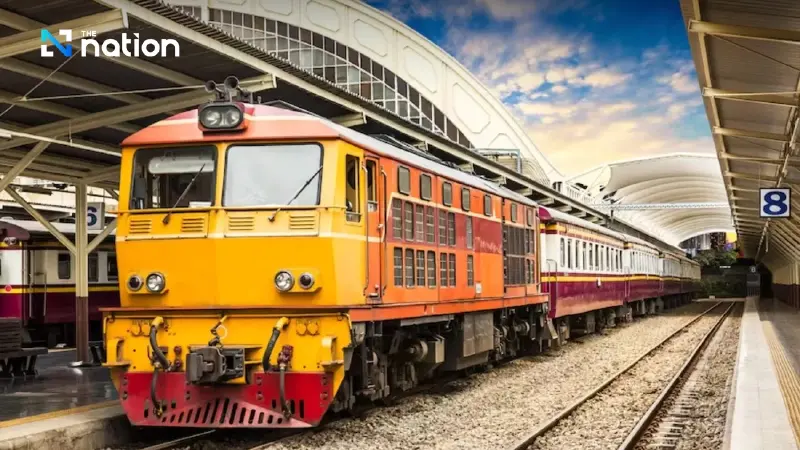


Transport Minister Phiphat unveils 38-billion-baht projects including Red Line metro expansions, Phuket expressway, and southern double-track rail lines.
Phiphat Ratchakitprakarn, Deputy Prime Minister and Minister of Transport, announced on Thursday that during the four months leading up to parliament’s dissolution, all civil servants and units within the Ministry of Transport will operate at full capacity.
He also revealed projects ready for tender within this period totaling 38 billion baht across three initiatives:
- Red Line suburban train – Taling Chan-Salaya and Taling Chan-Siriraj sections, 15.176 billion baht
- Dark Red Line train – Rangsit-Thammasat University, 6.473 billion baht
- Phuket Expressway Phase 1 – Kathu-Patong, 3.98 km, 16.757 billion baht
Other pending projects from the previous government, including Phase 2 of the southern double-track rail, are being compiled for Cabinet consideration. These comprise:
- Chumphon-Surat Thani, 168 km, 30.423 billion baht
- Surat Thani-Hat Yai-Songkhla, 321 km, 66.271 billion baht
- Hat Yai-Padang Besar, 45 km, 7.773 billion baht


Metro fares and fiscal impact
Phiphat clarified that the 20-baht flat fare on the Purple and Red Lines, previously set to end on September 30, 2026 under the former Cabinet, will revert to its original price from October 1, 2025 due to the change in government. The administration plans a new fare package covering land, water, and rail travel to reduce the cost of living.
The concept of a single-ticket fare will be reviewed as part of the new package, with pricing carefully studied to balance budgetary constraints and public benefit. Historical data indicate that the 20-baht policy across all routes created a compensation burden of nearly 20 billion baht per year, disproportionately benefiting Bangkok metro users while offering little to residents in other provinces.
