
Commerce Ministry to sign MOU with private hospitals, opening fair-priced medicines outside hospitals
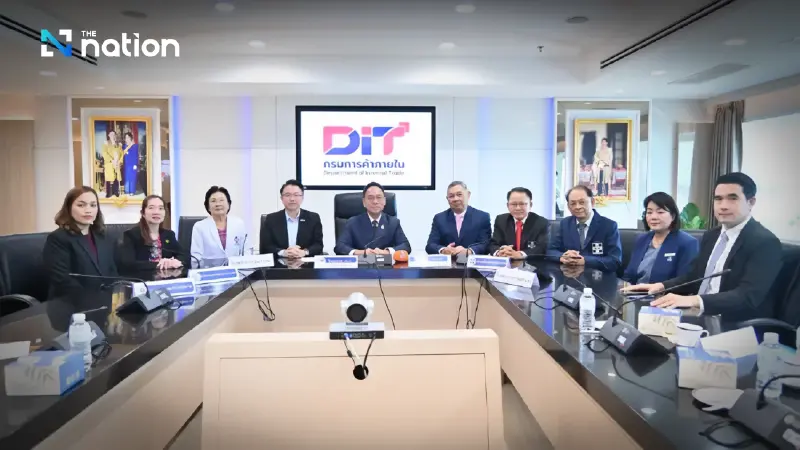


Thai Commerce Ministry partners with private hospitals to let patients buy medicines externally at fair prices, easing public healthcare costs.
The Department of Internal Trade (DIT) under the Ministry of Commerce has collaborated with private hospitals, the Department of Health Service Support, and the Food and Drug Administration (FDA) to implement the “Suk Kai Sabai Krapao” (Healthy body, easy on the pocket) project, allowing patients to purchase medicines outside hospitals at fair prices.
Wittayakorn Maneenetr, DIT Director-General, explained that nine hospital networks with 354 facilities nationwide will participate, including BDMS hospitals, Thonburi Hospital, Principal Hospital, Nawamin Hospital, Synphaet Hospital, and Chularat Hospital. Across the country, there are about 20,099 pharmacies, of which 19,206 (93%) have resident pharmacists. On October 10, details regarding eligibility for pharmacies to register for the programme will be discussed.
Under the project, patients will be able to purchase medicines for common illnesses or chronic diseases—such as diabetes or hypertension—with prescriptions issued by their doctor, including essential medical supplies. For serious conditions such as cancer or heart disease, the prescribing doctor will remain responsible, as some medications may not be available in pharmacies.
Patients will need to inform their doctor if they wish to buy medicines externally, receive a prescription, and then pay at the pharmacy counter, with full price transparency.
Wittayakorn added that the MOU signing ceremony for “Suk Kai Sabai Krapao” will take place at Government House on October 28, chaired by Prime Minister Anutin Charnvirakul, with the Commerce Minister, the Health Minister, representatives from the Thailand Private Hospital Association (TPHA), the Health Service Support Department, and the FDA as witnesses.
The programme is expected to reduce household expenses by 32.4 billion baht and alleviate overcrowding in public healthcare. The initiative targets Thai residents and foreign nationals living and working in Thailand, excluding foreign tourists. A Phase 2 is under discussion to examine medicine cost structures, import costs, and administrative fees to ensure fairness.
Dr Paiboon Eksaengsri, President of TPHA, noted that this collaboration benefits patients by providing greater choice in purchasing prescribed medicines externally. He acknowledged that hospital pricing is influenced by multiple factors, including land, medical equipment, administration, and marketing costs, with an average profit margin of around 10%.
Paiboon also highlighted the importance of strict oversight to prevent substandard or counterfeit medicines in external pharmacies. He confirmed that while the project lowers patient costs, it may affect hospital revenue.
