
Commerce Ministry tightens price checks, launches ‘Thai Helps Thai’ discounts from April 1
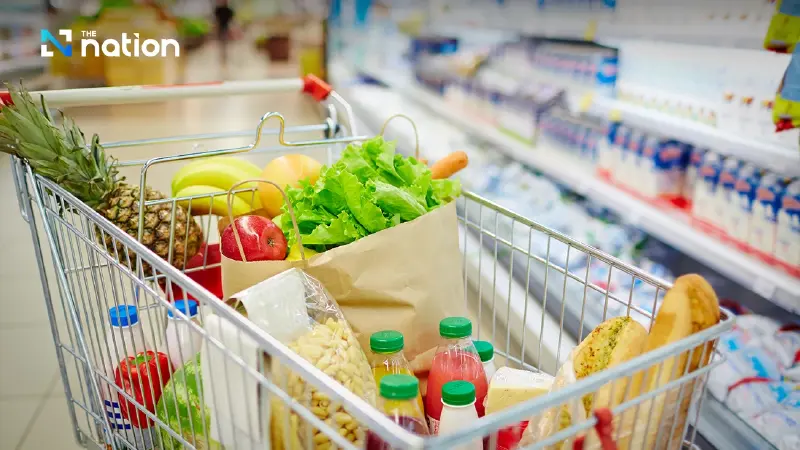


Thailand’s Commerce Ministry is stepping up daily inspections to prevent overpricing and hoarding, while rolling out the ‘Thai Helps Thai’ scheme from April 1, 2026 with discounts of up to 50% on selected essentials.
Thailand’s Ministry of Commerce is tightening oversight of goods and services prices and will launch a new discount programme, ‘Thai Helps Thai’, from April 1, 2026, offering price cuts of up to 50% on selected household essentials.
Kanittha Kangsuanich, inspector-general and deputy spokesperson for the ministry, said officials are continuing to work in coordination with provincial governors, provincial energy offices and provincial committees to monitor and inspect prices daily, aiming to prevent opportunistic overpricing and stockpiling.

Between March 1-26, 2026, the Department of Internal Trade’s hotline 1569 received 410 complaints. Of these, 187 cases have been checked, with more than 200 still under review. Among the complaints were 44 cases alleging goods were sold at “unreasonable prices”. Kanittha said officials have requested cost documents from operators for verification, and if wrongdoing is found, authorities will pursue legal action to the fullest extent.
Kanittha said higher global oil prices have inevitably increased production and transport costs, prompting the ministry to introduce measures to support living costs and reduce burdens across the supply chain—from farmers and producers to retailers and consumers.

A key measure is ‘Thai Helps Thai’, to be launched on April 1, in cooperation with modern trade wholesalers and retailers and suppliers. The programme will offer special prices on selected essential items in two groups:
- Household goods (discounts up to 50%): such as soap, shampoo, laundry detergent and toilet paper
- Food staples (discounts up to 25%): such as rice, sugar, fish sauce, cooking oil, canned food and instant noodles
The scheme will focus on house brands and alternative brands to expand affordable choices for consumers.
The ministry will also expand the ‘Blue Flag Budget Prices’ programme with more sales points nationwide—at provincial, district and community levels—linked with the State Welfare Card system, and will publish schedules in advance.
For the agricultural sector, the ministry plans to roll out ‘Green Flag Plus Fertiliser’ to cut costs through fertiliser discounts, with special privileges for farmers holding Din Dee cards from the Land Development Department.
Kanittha said the Committee on the Price of Goods and Services has agreed to strengthen price control measures, with plans to raise the controlled goods list from 59 to 66 items, and propose new controlled goods such as plastic pellets, bottled drinking water and seasoning sauces, with other items such as soybean meal also under review.
The committee is also preparing to expand the list of items requiring prior approval before price increases from 8 to 15 items, including toilet paper, shampoo, laundry detergent, dishwashing liquid, sanitary pads, soap and bottled palm oil. Other products such as eggs, sugar, medicines and medical supplies are being monitored closely and could face tighter measures later.
Kanittha said the ministry will use all available tools to maintain balanced price oversight and urged cooperation across all sectors. Consumers can report suspected unfair pricing via the 1569 hotline, available 24 hours a day.
