
People’s Party unveils three PM candidates for 2026 election, vows transparency and ‘no grey alliances’
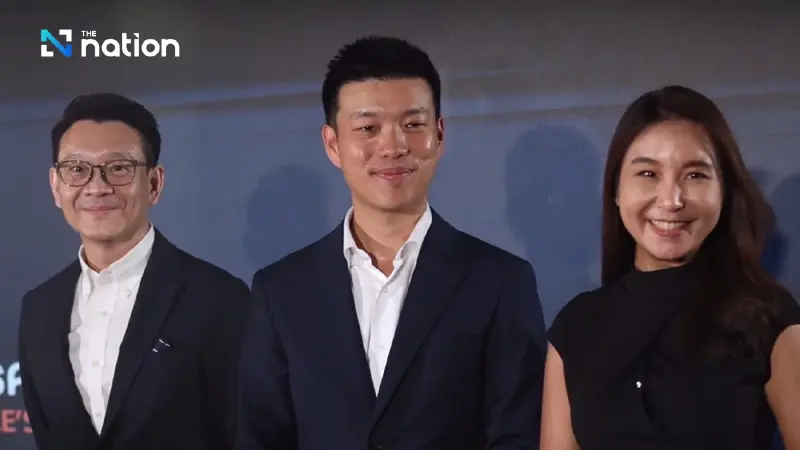


The People’s Party names Natthaphong, Sirikanya and Veerayooth as its PM candidates for the 2026 election, pledging transparency and rejecting alliances with ‘grey’ parties

The People’s Party on Saturday (November 23, 2025) formally announced its three prime ministerial candidates for the 2026 general election, pledging a transparent leadership lineup and campaigning under the slogan “Thailand ungrey, equal and future-ready.”
The announcement was made at the party’s “Recharge Prachachon” event, where the leadership outlined its election strategy and declared that the party would not field “a mystery prime minister” or conceal its leadership choices ahead of polling day.
Three PM candidates: Natthaphong, Sirikanya and Veerayooth
The party introduced the following candidates:
- Natthaphong Ruengpanyawut – Party leader, advocating an engineer-style “platform design” for national governance, free from grey money, corruption and structural obstructions.
- Sirikanya Tansakun – Deputy leader for policy, widely regarded as the party’s fiscal and budget expert who has elevated the party’s policy and financial-standard frameworks.
- Veerayooth Kanchoochat – Deputy leader for strategy and an academic in Japan, credited as the architect of the party’s long-term strategic frameworks since the Future Forward era.
The leadership emphasised that voters must know “who is number one, two and three” before entering the polling booth.
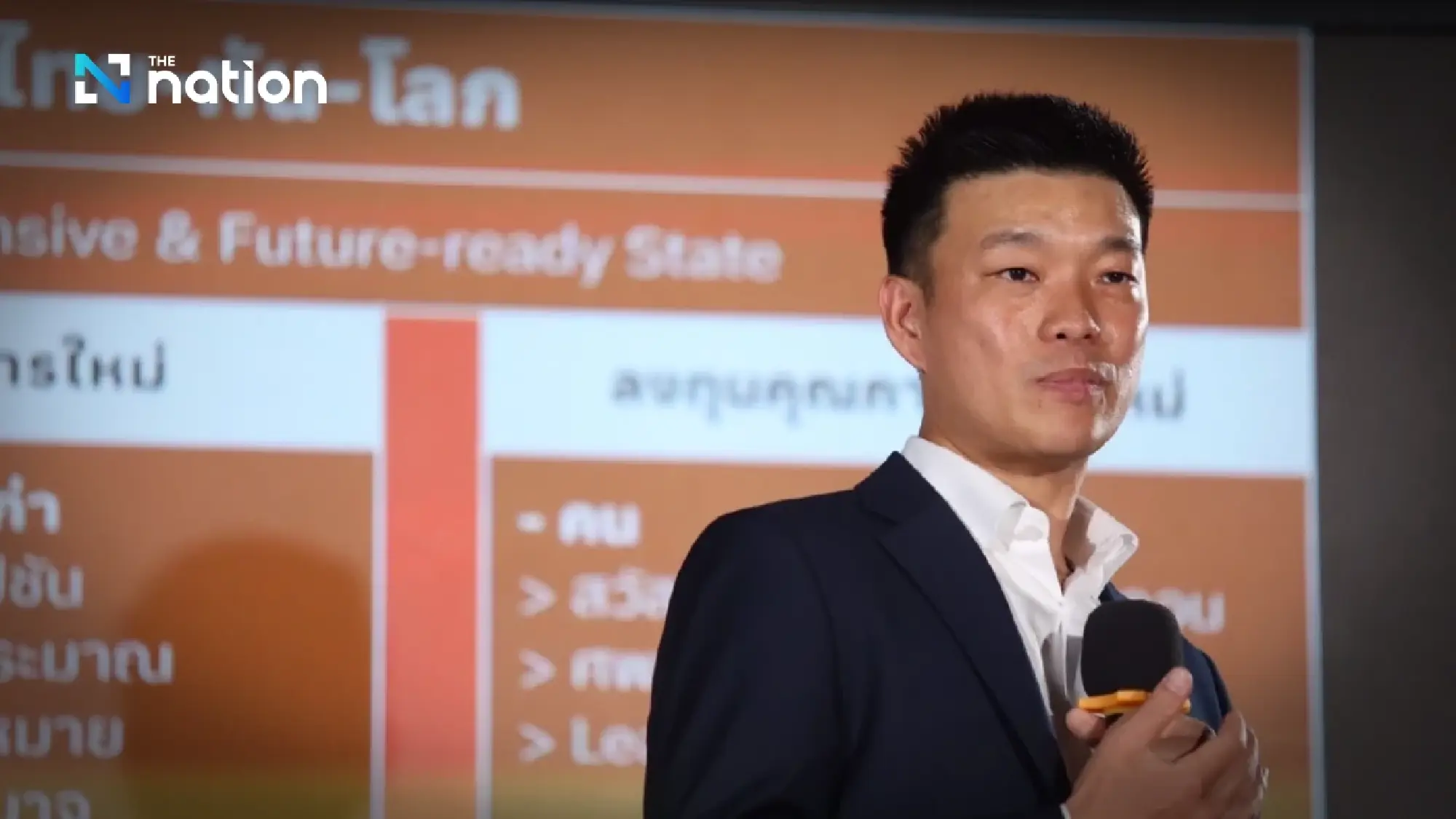

‘New security, New economy, New governance’
Taking the stage, Natthaphong presented a platform focused on modern governance, structural reforms and equitable development. He highlighted urgent national problems such as:
- Fragmented families at 30–40%
- Child stunting at 13%, especially in the South
- Maternal mortality at 34 per 100,000 births
- Over 1 million children out of the education system
- 18,000 annual road fatalities, 74% involving motorcycle riders
- Young people pushed out of the labour force due to military conscription
“These numbers show that the state does not care for people adequately,” he said, calling for civil service reform, greater decentralisation and major public investments in transportation, public spaces, clean energy, water systems and quality internet.
A future government, he argued, must be serious, competent and globally confident
Natthaphong insisted that Thailand must break free from all forms of corruption:
“Whoever commits corruption — regardless of party or position — will face consequences. Thailand must be ungrey, equal and future-ready.”
He also stressed that the party functions as one united team, prepared for any political scenario:
“Even if the People’s Party wins by a landslide and unexpected political incidents occur, we have capable people ready to step in without disruption.”
On coalition-building, he was firm:
“We can only work with parties that are not grey.”
Balancing political risks: the ‘44 MPs’ case
Natthaphong also addressed concerns over the ongoing case involving 44 MPs, including himself and Sirikanya, who signed a motion to amend Section 112 of the Criminal Code.
He said the case is beyond their control but insisted the MPs acted within their constitutional duties. The party selected its PM candidates strictly based on competence, expertise and suitability, while also assessing political risks.
“If a political accident occurs, we are ready to continue,” he said.
Possible coalition partners: criteria set, no commitments yet
Asked whether the party would join hands with Bhumjaithai or Pheu Thai in a future coalition, Natthaphong said:
- The party will set clear TORs, similar to the PM vote process, to ensure transparency.
- Any party that accepts the People’s Party’s policy agenda may be considered.
- The party rejects “horse-trading” and “vote-pulling” politics.
- Decisions will depend on substance, not political gamesmanship.
On whether collaborating with Bhumjaithai would violate the party’s MOA, he said he would not speak on behalf of other parties but noted that Bhumjaithai remains a minority government.
Sirikanya: ‘Our biggest fear is winning but not governing — again’
Deputy leader Sirikanya Tansakun said her greatest concern is a repeat of the 2023 scenario, where the party won the election but could not form a government.
“We understand the conditions well. Even without appointed senators, failing to reach 250 seats would make us 80–90% likely to end up in opposition again. People don’t want to wait any longer — they want us to form the government.”
She said the party’s ambitious target of becoming the sole ruling party stems from this political reality.
Veerayooth: ‘Natthaphong is the most suitable PM for the moment’
Responding to questions about whether he could become prime minister, Veerayooth Kanchoochat reaffirmed that the trio functions as a team, but expressed strong confidence in Natthaphong:
“Thailand needs a leader who can fix problems systematically, integrate digital transformation into public services and SMEs, and demonstrate determination and resolve. Natthaphong meets all three criteria.”
Candidate selection controversies ‘reflect openness, not weakness’
Addressing concerns about alleged favouritism in candidate recruitment, Natthaphong said the party’s internal democracy is more open and participatory than most, meaning differing opinions are natural.
He urged disappointed applicants to reflect on the purpose of joining politics:
“Being an MP is only one hat. There are many ways to drive change without holding a seat.”
